Search Results
1501 results for “Loss of appetite”
What to Do When Your Goldfish Is Swimming Upside Down
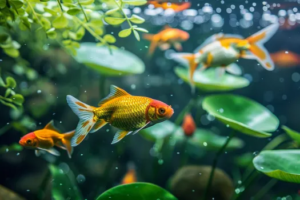
A goldfish floating or swimming upside down is alarming but common, usually caused by poor water quality, overfeeding, low oxygen, cold or fluctuating temperatures, or swim bladder disease. Act quickly to add oxygen and prevent long-term damage from suffocation. Season, temperature, water quality, dissolved oxygen, pH, feeding, and water-change frequency all affect a goldfish's health, so careful husbandry matters. You can relieve mild cases by improving water quality, boosting aeration, and raising the temperature—but if the problem is severe or persists, consult a veterinarian or an aquatic specialist for proper treatment.

Why Your Spayed Cat Still Yowls
Spaying does not guarantee a quiet cat. Many owners are surprised when a neutered female still yowls at night or demands attention for no obvious reason. The cause is rarely the surgery itself and more often a mix of breed temperament, habit, unmet needs, or an underlying health issue such as an overactive thyroid. Here is how to read the behavior and what to do about it.
What to Know Before Getting Your Pet’s Teeth Cleaned
Like people, pets benefit from dental cleaning, which removes tartar and curbs bacterial growth, but they cannot understand the process, and cleaning is not as simple as it is for humans. Tartar speeds gum and bone loss and can loosen teeth early, and mouth bacteria can travel down the gut and stir up digestive trouble. Anesthesia-free cleaning cannot reach below the gum line and risks injury, while proper cleaning under general anesthesia, preceded by blood and organ checks, is safe and thorough. Daily care at home with a pet toothbrush or textured finger sleeve matters most, and human toothpaste must never be used.

Why Is Your Rabbit Losing So Much Fur?
Heavy fur loss in rabbits can come from several causes, shedding season, poor nutrition, environment, parasites, or skin disease, so identify the cause before treating. Daily, brush and clean the coat to reduce loose fur, feed a balanced diet with enough protein, vitamins, and minerals, and keep the habitat dry, clean, and ventilated to avoid skin and parasite problems. If hair loss comes with other signs like itching, redness, or poor appetite, take the rabbit to a veterinary clinic for checks and treatment.

Why Your Cat Keeps Sneezing
An occasional sneeze is nothing, but frequent sneezing with discharge, eye issues, or coughing can hide something serious. Causes span environment, infection, and even facial structure, from dust and viruses to flat-faced-breed anatomy. This guide explains the reasons, when to see a vet, and how to care for and prevent sneezing fits.

Symptoms and Treatment of Parasites in Dogs
Parasites are a leading threat to dog health and come in internal and external forms with different signs. Internal parasites cause diarrhea, vomiting, cough, bigger appetite, weight loss, dry coat, red skin spots, pale gums, and lethargy. Some parasites already live in the home, so even indoor dogs are at risk. Fleas, lice, roundworms, and tapeworms each have their own life cycle and route into the dog. External parasites are zoonotic and cause allergic dermatitis and anemia; internal ones cause poor digestion and can block the gut. Prevention and treatment rely on regular, broad-spectrum parasite control for both inside and out.

How to Prevent Gastric Ulcers in Dogs
A gastric ulcer in dogs is a chronic sore between the cardia and pylorus that can penetrate the full thickness of the stomach lining, and most cases trace back to serious illness such as kidney failure or tumors. They arise from stress, drug side effects (especially NSAIDs and steroids, with ibuprofen especially dangerous), excess acid, poor feeding, or toxins and other diseases. Signs include vomit that looks like coffee grounds, belly pain, weight loss, and black tarry stools. Diagnosis uses blood work, X-ray, ultrasound, and endoscopy, and treatment targets the cause while curbing acid with antacids and acid blockers.

Lice on Cats and Dogs: Symptoms, Risks, and Treatment
Lice peak in winter, especially in January, when thick coats let them breed undisturbed. They strike young, stray, and undernourished pets, causing itching, restlessness, hair loss, and in heavy infestations anemia and weakness. Two main types live on pets: blood-feeding sucking lice and coat-chewing lice, each with its own species on dogs and cats. Lice are host-specific and do not infect people, though fleas from pets can. This guide covers the types, the harm they do, how they are diagnosed, and how to treat and prevent them.

How to Help a Rabbit Adjust to a New Home
Rabbits are sensitive, so moving to a new home can make them tense and unsettled. Before the move, prepare a warm, safe enclosure and place the rabbit's own toys, blanket, bedding, and water bowl there so it recognizes familiar scents. Once home, let the rabbit settle in with minimal noise and disturbance, then gradually introduce new people, sounds, and smells, starting with family members and widening the circle. Keep feeding and routines consistent, since stable daily life builds a sense of safety and trust. Patience, not speed, is what helps a rabbit feel at home.

Two Ways to Protect Your Cat from Parasites
Parasites can pass from cats to people, so take them seriously. Spot them by symptoms like poor coat, pale gums, lethargy, and visible worms in stool or around the anus, and by checking bedding. Prevent by keeping cats indoors, cleaning the home against fleas and ticks, feeding balanced food, and applying topical dewormer every three months, dropped on the skin not the fur.