Search Results
1231 results for “Indigestion”

Guangxi stripe-necked turtle
The Guangxi stripe-necked turtle is a rare, beautifully marked freshwater turtle endemic to Guangxi, China, long suspected—though never confirmed—to be a natural hybrid. In captivity it is an active, omnivorous species that enjoys warm water and is relatively easy for keepers to maintain.
Phrynops williamsi
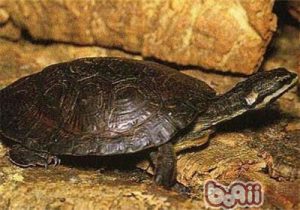
Phrynops williamsi, also called the Masked Toadhead Turtle, is a side-necked turtle from South America that loves basking and is semi-aquatic in the wild. Lively and relatively easy to keep, it remains uncommon in captivity and is found mainly as wild-caught individuals.
Barbour’s Map Turtle
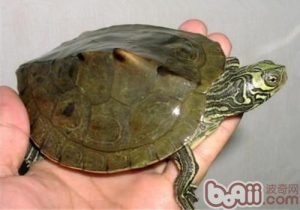
Barbour's Map Turtle (Graptemys barbouri) is a strikingly marked map turtle from the river systems of the southeastern United States, resembling a painted turtle in form. Though widespread in the wild, it is uncommon in captivity, with the Mississippi map turtle being the most frequently kept of the group.

Geometric tortoise
The Geometric Tortoise (Psammobates geometricus) is a rare, strikingly patterned South African tortoise protected as endangered. Extremely sensitive to humidity and a challenge to keep alive in captivity, it is best appreciated in the wild or by experts.
Fitzroy River Turtle
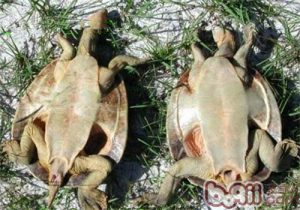
The Fitzroy River Turtle (Rheodytes leukops) is an Australian river turtle famous for 'breathing through its bottom'—it draws oxygen via cloacal sacs, letting it stay submerged far longer than most turtles. A bottom-dweller of flowing, gravelly waters, it is sensitive to poor water quality and warm temperatures.

Philippen’s Stripe-necked Turtle
Philippen's Stripe-necked Turtle (Ocadia philippeni) is a large striped-neck turtle endemic to Hainan, China, resembling the Chinese stripe-necked turtle but with a larger carapace. Sensitive to temperature swings, it is omnivorous and fairly easy to keep, though wild individuals are scarce and often mislabeled as the Chinese stripe-necked turtle.

Emydoidea blandingii (Blanding’s Turtle)
Blanding's turtle is a semi-aquatic turtle of the Great Lakes region, gentle and cold-hardy, with a smooth black helmet-shaped shell and a yellow hinged plastron marked with black blotches. It is omnivorous and adapts well to captivity.

Zinc Metabolism Disorders in Dogs and Cats
Zinc metabolism disorders in dogs and cats include zinc deficiency, stunted growth, diarrhea, and a crusting dermatitis around the eyes, mouth, and genitals, and zinc excess, causing lethargy, vomiting, and gut inflammation. Deficiency is corrected with dietary zinc and a balanced ration.

Osteomalacia in Dogs and Cats
Osteomalacia in adult dogs and cats is bone softening from calcium or vitamin D imbalance, causing stiffness, lameness, joint swelling, and easy fractures. It is managed by correcting calcium, phosphorus, and vitamin D and treating underlying gut or parasite disease.

Rickets in Dogs and Cats
Rickets in dogs and cats is a growing-animal bone disease from vitamin D, calcium, or phosphorus deficiency, producing soft, deformed bones, lameness, and dental problems. It is prevented and treated with corrected diet, sunlight, and veterinary-directed calcium and vitamin D.