Search Results
1231 results for “Indigestion”
Why Is My Cat Vomiting Green Liquid and How Should I Treat It?
Seeing your cat bring up green liquid is worrying, but it usually points to one of a few common and manageable causes. The green color often comes from bile, which appears when the stomach is empty or the gut is irritated. Frequent triggers include acute gastroenteritis from weather changes or sudden diet switches, internal parasites, spoiled food, and hairballs that will not pass. The right response depends entirely on the underlying cause—some cases need only warmth and probiotics, while others call for prompt deworming or a vet visit. This guide walks through each possibility and the matching treatment.
Soft Stools After Switching Cat Food? Here’s Why
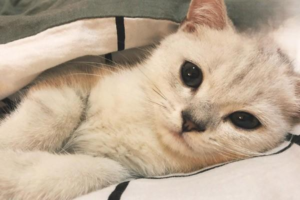
Cats are built for high protein, so a new high-protein food alone shouldn't cause trouble—but sudden switches often do. Long-fed low-protein diets leave the gut making few protein enzymes, so a jump to rich food causes indigestion, vomiting, and loose stools; use the 7-day transition. If soft stools persist, it may be an allergy to a specific animal protein or a filler like pea; try a different protein or a single-source food. Also note many foods use beet as a mild anti-diarrhea agent, so dropping it can loosen stools—and weak-stomached cats do better on set mealtimes.
Hairballs: What Every Cat Owner Should Know
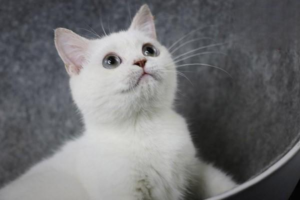
Cats groom constantly, and their barbed tongues pull loose fur into the stomach—making hairballs unavoidable. Normally the fur passes in stool or comes up as a vomit with a wet clump; trouble starts when it builds up. The best defenses are frequent brushing to cut intake, cat grass (wheat, barley, oat seedlings) whose fiber helps move fur through the gut, and hairball paste that lubricates with glycerin so the cat passes it. This guide explains why hairballs form and how to prevent them.
Key Aspects of Cat Care You Shouldn’t Overlook
Treating a cat like family is natural, but good intentions can backfire—feeding meat too early or the wrong foods causes real problems. This article reviews the essentials of sound cat feeding: not every cat tolerates milk, so offer it cautiously; avoid cold food straight from the fridge; change diets gradually over several days; use freeze-dried treats to tempt a refusing cat without overdoing it; provide complete, balanced nutrition; and keep bowls clean. For kittens, a little softened meat weekly plus warm water on kibble supports healthy growth.

Why Is Your Cat Suddenly Sleepy and Inactive?
A suddenly lethargic, sleepy cat may simply be reacting to weather or age, or it may be sick. If otherwise normal with no vomiting, diarrhea, or appetite loss, it's likely harmless. But fever, pregnancy, a respiratory infection, indigestion, or low calcium, tumors, stress, or a recent vaccination can all cause drowsiness. Measure temperature if it won't wake and eats poorly, keep a chilled cat warm, use a probiotic for gas, and see a vet for any long-term lethargy.

Why Your Cat Throws Up Undigested Kibble (and How to Stop It)
Cats that vomit undigested kibble usually have a gut issue. Eating too fast or too much, hairballs from grooming, or gastroenteritis from infection, parasites, or foreign objects are the usual triggers. For mild cases, a short fast plus a pet probiotic helps; hairballs respond to hairball paste or cat grass. If gastroenteritis is the cause, only medicate after vomiting stops, using a vet-prescribed antibiotic and anti-emetic, and keep regular deworming and small meals to protect the gut.

Cat Vomiting Yellow Fluid and Undigested Kibble: Causes and Care
When a cat throws up yellow fluid and undigested kibble, weak intestines, especially in kittens, are often to blame. If lethargy and appetite loss accompany it, rule out feline panleukopenia with a vet. Otherwise the usual causes are simple indigestion from irregular feeding, intestinal parasites, or gastroenteritis from spoiled food. Manage mild cases with a pet probiotic and a short fast, treat parasites with a dewormer, and seek a clinic if it persists beyond 24 hours.
Symptoms of Coccidiosis in Cats
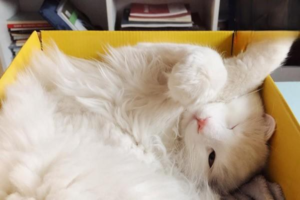
A cat with coccidiosis typically has watery diarrhea or soft stools with mucus and blood, along with lethargy, poor appetite, vomiting, and indigestion; the coat becomes rough and dull. Without prompt treatment the cat grows emaciated and weak, threatening its life. Coccidiosis is especially common in kittens, so regular deworming and prevention are essential.
What happens if a dog eats a corn cob?
A corn cob can cause intestinal blockage, leading to malnutrition, reduced appetite, vomiting, constipation, and abdominal pain. While corn's potassium and fiber offer some benefits, a dog's gut is fragile and too much causes indigestion. Never feed the cob core, which can scratch the digestive tract or choke the dog.
What happens if a dog eats fake dog food long-term?
Long-term consumption of fake dog food causes indigestion — many counterfeit foods use sand and ground-stone powder in place of starch — leading to gastroenteritis, kidney failure, and even death. It also causes malnutrition and, because of heavy palatant use, picky eating when you try to switch foods, so any diet change must be gradual.