Search Results
1231 results for “Indigestion”

What Happens When You Overfeed a Turtle?
Overfeeding burdens a turtle's digestive system and can lead to diarrhea, indigestion, and gastroenteritis over time. Leftover food fouls the water, lowering immunity and raising the risk of eye infections, shell rot, and skin disease. Rapid growth that outpaces shell renewal can even cause deformity. To avoid these problems, control portion size and feeding method. Hatchlings need daily feeding, but no more than the size of the head; adults tolerate hunger well and can be fed every few days.

What Happens When Dogs Eat Unevenly?
Feeding a dog unevenly, with stretches of hunger followed by overeating, harms its health and happiness. A dog's digestive system needs steady nourishment; frequent starvation and binging strain it, causing indigestion, vomiting, or diarrhea. Long-term nutrient gaps can slow development, weaken immunity, and invite chronic disease, while the starve-binge cycle destabilizes weight. To keep a dog healthy, feed on a consistent schedule, keep portions balanced, and always provide fresh water.

Why Cats Shed Every Day but Never Go Bald
Think of human hair as a hat and cat fur as clothes: cats swap a thick winter coat for a short summer one, and the fur grows back so fast the 'outfit' is continually replaced, so they never bald. A warning, though—don't arbitrarily restyle a cat; like a bad haircut, it can genuinely depress them. For the shedding itself, keep hairball gel (prevents fur-ball indigestion), a cat comb (great bonding time), and a lint roller (for you). Bonus: an itchy, shedding cat will rub its face into your hand—seize the moment.

Why Is My Dog’s Stool Soft or Unformed, and What Helps?
Soft, unformed stool in dogs has several causes, from a simple upset after the wrong food to gastroenteritis, parasites, or even a viral infection. The right response depends entirely on the cause, so guessing at medicine can waste time. This guide walks through the four common reasons—indigestion, gut inflammation, internal parasites, and viruses—and the matching treatment, from probiotics to a timely trip to the clinic.

Dog Is Bloated but Not Defecating — What to Do
A dog with a swollen belly that will not pass stool is usually constipated, but the underlying reason matters: it could be simple indigestion, a bowel blocked by a swallowed object, too little exercise, or a painful condition that makes the dog hold back. Matching the cause to the fix prevents a minor issue from becoming an emergency. This guide lists the common causes and the practical steps—water, probiotics, exercise, and portion control—that get things moving again.

Internal Parasites in Turtles: Tapeworms and Roundworms
Tapeworms and roundworms are two of the most common internal parasites in turtles, and telling them apart matters because the treatment differs. Tapeworms steal nutrients in the gut and shed visible segments in the stool; roundworms come in many forms and can block the intestine when severe. Both are diagnosed through fecal exams and treated with specific dewormers plus gut support. This guide outlines the symptoms of each and the practical medication and aftercare steps to clear them.
Internal Parasites in Turtles: Flukes and Protozoa
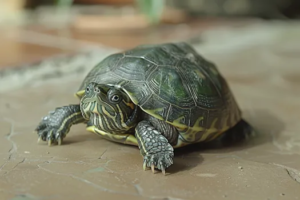
Flukes and protozoa are among the more common internal parasites in pet turtles, and knowing their signs helps you act before they drain your turtle's health. Flukes lodge in the liver, pancreas, and gut, causing appetite loss and bloody stool, while protozoa such as amoebas inflame the intestine and often trigger bacterial enteritis at the same time. Both are diagnosed through fecal checks and treated with specific dewormers plus gut support. This guide lays out the symptoms and the matching treatment for each parasite.

What to Do If Your Dog or Cat Has Tapeworms
Many species of tapeworms parasitize dogs and cats, and the adult worms seriously harm their health, while the larval stages often use livestock or humans as intermediate hosts, threatening both animals and people. Common species include Dipylidium caninum, Taenia spp., Echinococcus granulosus, Mesocestoides, Spirometra mansoni, and Diphyllobothrium. Infection causes intestinal inflammation, malnutrition, and in severe cases intestinal blockage, with signs like vomiting, diarrhea, weight loss, and odd behavior. Diagnosis relies on clinical signs plus fecal egg exams. Prevention means regular deworming, not feeding raw offal, and controlling fleas. Treatment uses praziquantel (5 mg/kg dogs, 2 mg/kg cats), arecoline hydrobromide, bunamidine, or fenbendazole under veterinary guidance. Because some tapeworms (like Echinococcus) also endanger human health, prompt and correct control matters.
Why Is a Puppy Vomiting and Refusing to Eat?
When a young puppy vomits and turns away from its food, the cause usually falls into one of four buckets: stress from a new home or unsuitable food, uncontrolled feeding habits, internal parasites, or an infectious disease such as distemper. Puppies are especially vulnerable because their immune and digestive systems are still developing, so a single episode should not be ignored. Identifying which factor is behind the symptoms lets you act quickly—whether that means calming the pup, fixing the feeding routine, deworming, or getting to a vet before a treatable problem becomes serious.
What Causes a Dog to Retch or Dry-Heave?
A dog that keeps dry-heaving without producing vomit can be distressing to watch, yet the causes are often straightforward. Retching usually means the throat or stomach is irritated, and it can come from a foreign object, throat inflammation, parasites, indigestion, or simply too much excitement and exercise. Most cases are mild and improve with rest, fluids, and regular deworming, but some signal infection or an obstruction that needs a vet. Knowing the difference helps you respond calmly and give your dog relief before a small issue becomes a bigger one.