Search Results
1231 results for “Indigestion”

Can a Dog’s Chill-Induced Vomiting Heal on Its Own?
When temperatures drop, some dogs still nap on cold floors or drink icy water, irritating their stomachs and triggering vomiting. Whether this resolves on its own depends on the cause. Mild vomiting from a chill often settles within a short time, but persistent or worsening signs—diarrhea, fever, appetite loss—point to conditions like gastritis, infection, parasites, or pancreatitis that need a vet. This guide explains when to wait and how to care for your dog at home, including warmth, a bland diet, probiotics, and close monitoring—while stressing that human medication should never be given to dogs.

Why Is My Dog Dry Heaving?
Dogs dry-heave for many reasons, from a foreign object or irritation in the throat to parasites, indigestion, too much exercise, or illnesses like kennel cough and distemper. If a stuck object or irritation is the cause, removing it usually stops the heaving at once. When dry heaving comes with other signs such as fever, coughing, lethargy, or loss of appetite, see a veterinarian promptly to find and treat the underlying cause. Regular deworming and vaccination are the best long-term protection.
Why Are Cats Allergic to Grains?
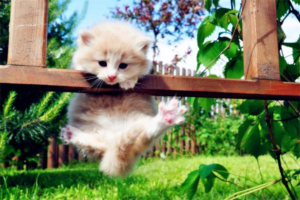
Many cats are allergic to certain grains, and the reasons tie to genes and digestion. Grains are common fillers and cheap protein sources in low-cost cat food, packed with carbohydrates, but cats are carnivores whose digestive systems are poor at handling large amounts of carbs. Too many grains burden the gut and can trigger allergic reactions, and genetics also matter: each cat differs, with some rarely reacting and others reacting easily. Symptoms include vomiting, diarrhea, itch, and skin inflammation, so see a vet if you suspect a grain allergy. The fix is to remove grains from the diet by choosing high-quality meat-based food, such as chicken or beef recipes, and avoiding wheat or corn, while skipping poor-quality meats with many additives. Add gut-friendly probiotics and fiber, and if the trigger is unclear or your cat is prone to reactions, use a hypoallergenic diet built on easily digested proteins with no grains or additives. Food allergies cannot be cured, so careful lifelong diet management is the key to keeping reactions away.

What Are the Signs That a Dog Is Sick?
Dogs cannot tell us in words when they feel unwell, so owners must read the signals their bodies send. A sick dog may show a sudden drop in appetite, much less energy, or unusual tiredness after light play. Vomiting and diarrhea often point to digestive trouble, parasites, or infection, while heavy shedding beyond the normal amount can signal skin allergies, pests, or nutritional or hormonal problems. A temperature above 39.5°C, rapid or labored breathing, and a fast heartbeat suggest fever, respiratory or heart issues that need prompt care. Pain and discomfort can also change a dog's mood, making it withdrawn, anxious, or snappy. If you notice any of these signs, see a vet for diagnosis and a treatment plan. Prevention helps too: keep up with deworming and vaccines, feed balanced clean food, keep the home dry and sanitary, and add warmth during seasonal changes.

Why Is Your Cat Vomiting White Foam?
White foam vomiting in cats has many causes—food intolerance, digestive upset, hairballs, and gastrointestinal disease among them. Take it seriously and find the trigger. Prevention includes regular brushing, avoiding spoiled or hard-to-digest food, and routine deworming. If it's food-related, pause feeding then switch foods; for digestion, offer easily digestible food; for hairballs, give hairball remedies and brush often; if a health problem is behind it, see a vet rather than dosing blindly.

Can Cats Eat Red Beans?
Cats are obligate carnivores with short intestines and no salivary enzymes for breaking down carbohydrates, so their ability to digest plant foods like red beans is limited. Red beans do contain some protein and fiber, but far less protein than a cat needs, making them a poor staple. In small amounts, plain cooked red beans are generally safe and the fiber can even aid digestion, but too many beans or starch can cause indigestion and stomach upset. If you offer them, serve only a small portion of plain, fully cooked, unsweetened beans, never raw. The same caution applies to other grains such as corn, rice, millet, and oats, which cats also digest poorly and may trigger allergies in sensitive individuals. Keep grains occasional and always cooked.

What to Do When Your Guinea Pig Has Digestive Issues
Guinea pigs have delicate digestive systems, so diet mistakes easily lead to indigestion marked by reduced appetite, weight loss, diarrhea or constipation, bloating, and sometimes vomiting. When symptoms appear, the first step is to adjust the diet: feed a balanced mix, avoid overfeeding hard-to-digest foods like excessive vegetables and fruit, and keep everything fresh. Daily exercise for one to two hours supports gut movement, while a stable, low-stress home environment protects digestion. Adding pet probiotics or prebiotics helps rebalance the gut flora and restore normal function. If symptoms persist, a veterinary visit is essential to rule out gastritis, parasites, or infection. With attentive diet and care, most guinea pigs recover comfortably.

What Happens When a Cat Lacks Taurine?
Taurine is a nutrient cats cannot make on their own—they must get it from food, so a shortfall quickly harms health. It is vital for eyes and heart: deficiency degenerates the retina and causes irreversible blindness, and it is a leading cause of dilated cardiomyopathy, which improves if caught early but worsens without it. Taurine also powers metabolism and immunity, aids digestion by boosting stomach acid and protein absorption, and supports reproduction—a deficient pregnant cat risks weak, slow-growing, high-mortality kittens. Because cats can't synthesize it, feed taurine-rich foods like organ meat, muscle, and some seafood.
How to Feed and Choose Turtle Pellets
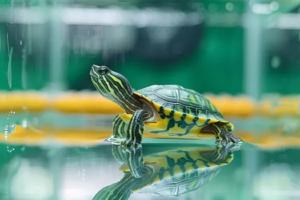
A proper diet is the key to a healthy, long-lived turtle. Choose high-quality pellets made from fresh fish and shrimp and matched to your turtle's species and feeding habits, then control the amount and frequency of feeding. Beyond pellets, offer fresh fruit, vegetables, and greens for extra nutrition—but never chocolate, onions, or other harmful foods. Soaking pellets for 10 minutes before feeding small turtles under 10 cm aids digestion, and rotating brands keeps the diet varied so your turtle doesn't turn picky. A little attention to feeding goes a long way.
What to Do If Your Guinea Pig Won’t Eat?
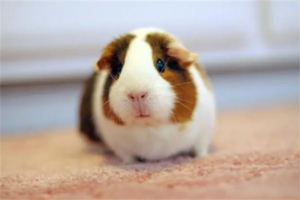
A guinea pig that loses its appetite can signal illness—such as a cold, intestinal parasites, or dental problems—or simpler issues like a monotonous diet, spoiled food, a move, stress, or poor digestion. Because these animals are sensitive, the key is to find the cause and act. Offer varied, nutritious food (vegetables, fruit, pellets), encourage gentle daily exercise like walks or play to aid digestion, and watch its body closely so any health problem gets veterinary care quickly. With the right diet, a calm environment, and attention to its mood, most guinea pigs regain their appetite.