Search Results
3405 results for “Heat”

How Do Dogs Get Ringworm? The Specific Causes
How do dogs get ringworm? It is a fungal skin disease causing scaling, hair loss, and roughness. Why do dogs get it? Here are the specific causes of ringworm infection.

How to Treat Cat Pharyngitis
Primary pharyngitis usually has a good outcome, but chronic cases with mucosal overgrowth are hard to cure. Causes vary, so treatment follows the cause. Here are the methods.

Does Interdigital Dermatitis Hurt, and Which Ointment Should You Use?
Interdigital dermatitis comes from wound infection or mite infestation and usually brings pain, though the degree varies. Here is what you need to know.

Symptoms and Differences of Common Hamster Illnesses
Hamster colds, respiratory infections, and allergies look alike. Colds bring sneezing, red nose, lethargy; respiratory infection adds audible breathing but may not sap energy; allergies follow new bedding or scented products with sudden sneezing and skin rash. Keep the cage clean and see a vet if dull.

Seasonal Care Tips for Hamsters
Season changes bring large temperature swings that can make hamsters sick. Adjust bedding gradually rather than removing all warmth at once, watch for colds during big day-night temperature differences, and switch to summer supplies only from late April.

What to Do If a Cat Burns Its Tongue
Cats have very sensitive tongues and hot food can burn the mouth and esophagus. Cool the mouth with a little cold water or an ice cube wrapped in cloth, then support healing with vitamin B2 and a pet oral spray; seek veterinary care if blisters, swelling, or esophageal injury appear.

Hamster Breeding Guide (Part 1): Preparation and Mating
Successful hamster breeding starts with one-cage-per-hamster housing and avoiding inbreeding or forbidden pairings. Breed does aged 4–7 months after a week of nutritional conditioning, and watch body-language cues to time and confirm mating.

Rabbit-Raising Taboos to Avoid
Key rabbit-raising taboos: avoid high heat/humidity (keep 10–25°C, 60–65% RH), prioritize vaccination over treatment, buy breeding stock only from licensed farms, and limit to one or two breeds to protect farm economics.

Precautions in Raising Rabbits
Keep rabbits apart from chickens (disease cross-infection like coccidiosis, pasteurellosis), avoid asbestos roofing (fiber cough), don't yank ears when handling, don't feed only silage (acidosis), avoid oral antibiotics, and ensure adequate light for breeding.
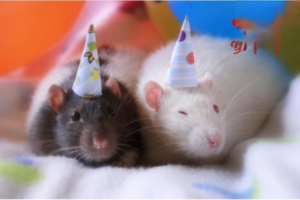
Hamster Coat Problems
Coat issues include color change (winter whitening in Campbell's/Dwarf types, fading silver rings), hair loss (seasonal, aging, or mites/fleas), and hairball risk in long-haired Syrians from grooming. Most need no grooming, but find the cause if problems appear.