Search Results
3405 results for “Heat”
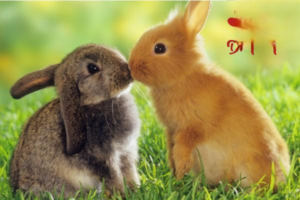
Why Do Rabbits Have Trouble Conceiving?
Poor conception in does usually traces to body condition (over-fat or under-fed), missing nutrients like vitamins A and B, poor light or temperature, reproductive disease, or weak bucks. Find the exact cause before treating — the autumn molt and old age also lower fertility.

Why Do Hamsters Fight Their Cagemates?
Hamsters are solitary by nature and rarely live peacefully with others; fights break out during a buck's constant heat, after a doe becomes pregnant, between same-sex pairs over territory, when food runs short, or when a sick or disabled hamster is picked on. The safest fix is one hamster per cage.

Things to Note for Autumn Rabbit Breeding
Autumn is a high-fertility season for rabbits, so prepare early: mate does below 25°C at cool times and in mid-to-late heat, keep first mating at 5–6 months by size, use prime adults, limit bucks to about one mating a day, hold condition and nutrition steady, and use teasers or an estrus powder for does that will not cycle.

European Hamster: An Introduction
The European (black-bellied) hamster looks like a common hamster but differs sharply in temperament. It is far larger — up to 34 cm and 900 g — nocturnal, fiercely solitary and wild, with strong territorial instincts and a true hibernation from October to March; it can live up to eight years and is now near extinction.

Why Does Nutritional Imbalance Lower a Doe’s Breeding Rate?
A doe's low breeding rate comes from three imbalances: too little feed (thin doe, weak endocrine, thin uterine lining, low conception, embryo loss), too much feed (fat doe, fatty oviduct, blocked egg and sperm meeting), and unbalanced feed — especially low protein under 15% and shortages of vitamins A, D, E, and B1, which impair reproduction and can cause abortion or stillbirth.

Doe Rabbit Estrus Cycle
A doe's cycle is not fixed — it runs about 6–15 days with each heat lasting 2–4 days, shaped by nutrition, light, and climate. Heat rates and shorter cycles peak in spring and early autumn with good light and mild temperatures; cold, low light, poor nutrition, illness, or stress can delay or stop heat. By age 4–5 the ovaries fade and cycling ends.
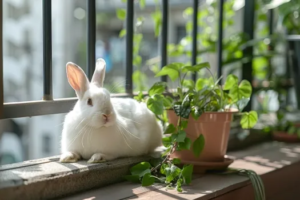
What to Do When a Doe Rabbit Won’t Cycle?
A doe that will not cycle has a cause: unbalanced nutrition (too fat or thin), bad temperature or humidity, disease or parasites, old age over 3, congenital defects, wrong light (need 14–16 h/day), or toxic feed like aflatoxin. Fix the root — adjust diet, steady the environment, treat illness, cull old or defective does, add light, and avoid moldy feed.
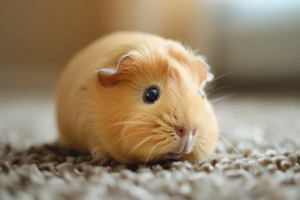
What Causes Hair Loss in Hamsters?
Hamster hair loss is mostly skin disease from a dirty, damp cage, but also aging (after ~1.5 years), low protein, friction from cage wheels, seasonal shedding, over-grooming in heat or pregnancy, and contagious dermatitis. Keep the cage dry and clean, and isolate and treat any skin disease promptly.
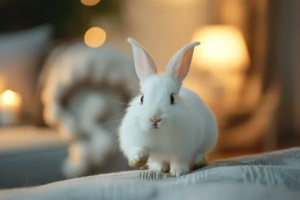
Should Rabbits Be Spayed or Neutered?
Neutering protects rabbit health and lengthens life: an intact doe's uterine cancer risk runs up to 80% and rises with age, while neutering also prevents pyometra, false pregnancy, and mammary disease; in bucks it calms mating-season aggression and spraying and prevents testicular cancer. The surgery risks anesthesia (small size, hard dosing, allergy), so use an experienced vet. Spay does at 1–2 years, neuter bucks at ~6 months.

Why Won’t a Rabbit Cycle?
A rabbit may not cycle from being too fat or thin, lack of winter light and greens, disease (vaginal or oviduct defects needing culling), or simply being too young to be sexually mature. Fixes: balance body condition; in winter give sun and vitamin-rich veg like carrot, cabbage, or pumpkin; herbal teasers (motherwort plus black soybean), hormone shots (PMSG), or buck induction for 1–2 hours.