Search Results
40 results for “Fur yield”

Checkered Giant Rabbit
The Checkered Giant Rabbit is a large breed, usually raised for meat, but its cute looks and big personality have made it a pet despite its size. Confident and attention-loving, it needs space, exercise, and a quiet introduction to a new home.
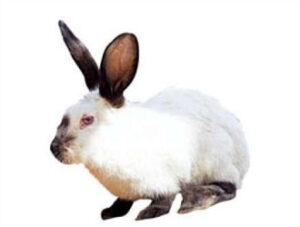
Californian Rabbit
The Californian Rabbit is a world-famous meat rabbit breed, developed artificially with stable genetics. It can be used for meat production or crossbred with other breeds, and is valued for disease resistance and fast growth.

Harbin White Rabbit
The Harbin White Rabbit is a Chinese meat-and-fur breed adapted to cold northern climates, with a large, sturdy white body. Mainly raised as an economic animal, it has strong adaptability and high reproduction and dressing rates, though weaker disease resistance calls for prevention-first care.
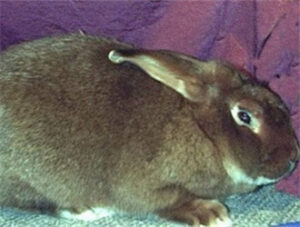
Satin Rabbit
The Satin Rabbit is a large meat rabbit with dense, satin-smooth fur, weighing around 5 kg. Though mainly a meat breed, its cute upright ears make it suitable as a pet too. Proper fattening before marketing maximizes its meat yield.

Fujian Yellow Rabbit
The Fujian Yellow Rabbit is an excellent Chinese meat rabbit breed with a short production cycle and high meat yield. Small but fast-growing and well adapted to local conditions, its tender, nutritious meat is praised as 'brain-boosting' and 'beauty' meat.
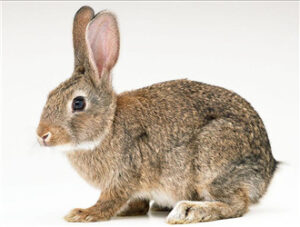
Belgian Rabbit
The Belgian Rabbit, also known as the Giant Gray Rabbit or Flemish Giant, is a famous meat rabbit breed originally from Belgium. With its large build, yellowish-brown coat, and high meat yield, it is mostly raised on farms in rural areas rather than kept as a pet.

Key Points for Selecting Breeding Rabbits
Breeding stock is the core of a rabbitry, so selection must be planned and scientific. For meat rabbits check growth, feed conversion (2.8–3.2:1), conception rate (≥85%), litter size (≥6–8) and weaning survival (≥80%). For wool rabbits judge yield, density, length and evenness; for rex rabbits judge color purity, fur that is short, flat, fine, dense and secure, and adult weight above 3.5 kg. Always verify the animal's health.

Rabbit Breeding Characteristics
Rabbits are extremely fertile but have no regular estrous cycle — they are induced ovulators that release eggs only after mating or drug stimulation, 10–12 hours later. They have two separate uteri (allowing double pregnancies), mate most successfully around dawn and dusk, and suffer summer infertility, especially males. Pseudopregnancy is common and prevented by re-mating.

Rabbit Growth, Development and Molting Traits
Rabbits grow fast and convert feed efficiently early in life, especially as kits. A kit is born about 50 g, doubles by one week and reaches 40% of adult weight by eight weeks, with feed conversion best (2:1) at three weeks. They molt twice by age (around 30–100 and 130–190 days) and seasonally each spring and autumn, when extra nutrition helps.
At what age can a Teddy be shaved of its puppy coat?
Around 4 to 5 months is best, when the puppy coat is grown and hair grows fast, yielding better-quality fur for styling. But shaving is optional; the coat naturally sheds at 7 to 8 months.
- « Previous
- 1
- 2
- 3
- 4
- Next »