Search Results
40 results for “Fur yield”
How to Prevent and Treat Fur-Pulling Syndrome in Long-Haired Rabbits
Plucking wool from long-haired rabbits stimulates the skin and speeds up wool growth, but improper technique or timing can damage the hair follicles and lower both growth rate and yield. Disinfect tools and give dexamethasone before plucking, and treat any fungal or mite infection promptly with griseofulvin or ivermectin. Harvest on a roughly 75-day cycle—shorter in summer—groom regularly, supplement feed beforehand, and keep the rabbit warm afterward.
Care Before and After Plucking a Long-Haired Rabbit’s Fur
Before plucking, comb the fur to prevent matting. After, strengthen feeding with digestible, nutritious feed and add some vitamins. This article covers more tips and cautions for plucking long-haired rabbits.
Furrowed Wood Turtle
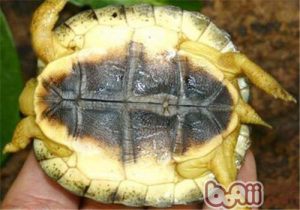
The furrowed wood turtle (Rhinoclemmys areolata) is an aquatic, strong-swimming turtle from the Yucatán Peninsula. Omnivorous but plant-leaning in the wild, it is scarce in the pet trade and can be difficult to acquire.
Why Light Matters for Rabbit Growth
Light is essential to a rabbit's health — moderate exposure aids growth, speeds fur production, and boosts fertility, with long-haired rabbits the most dependent (artificial light can lift their yield about 35% over natural). Lean on natural light first and top up with artificial, giving breeding does around 16 hours; but keep summer sun short to avoid heatstroke.

How to Increase Rabbit Wool Production
Better wool output from angora (wool) rabbits comes from breeding and husbandry: choose large, dense-coated stock, use crossbreeding, and neuter non-breeding bucks. Feed sulfur-rich diets (cystine, methionine, fish meal) and add trace elements like sulfur, zinc, and copper to lift both yield and fleece quality.

Maddening Cat Shedding
Cat shedding is the bane of every cat-owning home. Imagine clothes perpetually covered in fur; you diligently lint-roll them again and again, only to have the cat restore the mess the next day. Owners may develop 'fur phobia' from hair in food and drink, even wondering if they need hairball paste themselves.

How to Prevent Angora Rabbit Breed Degeneration
Angora-rabbit breed decline comes from poor management and ignored improvement. Hold the line with quality bucks, no inbreeding, sensible mating ages (prime adults), healthy breeding stock, controlled sexual maturity, and a 2–4 year service limit with early culling.
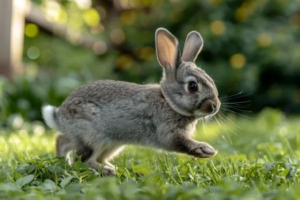
What to Note When Plucking Long-Haired Rabbits
Long-haired rabbits yield much wool, a main fur breed. If you keep one, learn shearing. Plucking is not simple - many notes. Here they are.

What Are the Fine Meat Rabbit Breeds?
Meat rabbits are commercially valuable with high-demand meat; high profit needs fine breeds. Here are three fine meat breeds.
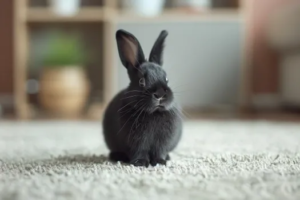
The Most Popular Meat Rabbit Breeds
Rabbit meat is nutritious and in demand, so more farm it — but good breeds matter. Here are four fine meat breeds.