Search Results
6122 results for “FIC”

Choosing a CoQ10 Supplement for Your Pet’s Heart
Pets past about seven years old decline fast, and heart disease is among the highest-risk threats: mitral valve disease and dilated cardiomyopathy in dogs, hypertrophic cardiomyopathy in cats. Early signs—night coughing, panting, purple tongue, exercise intolerance—often mean Stage B2 or C, so the B1–B2 window is the time to act. Alongside prescribed medication, many veterinarians suggest a pet CoQ10 supplement for energy and antioxidant protection. But with crowded shelves, how do you choose? This guide explains what a quality formula should deliver: transparent, well-absorbed dosage; a heart–lung–vessel support blend (rhodiola, krill, astaxanthin, taurine, vitamins, grape powder, folate); palatability and safety for long-term use; and which pets benefit most.

Is It Normal for Dogs to Eat Poop?
About 80% of dogs that eat feces are showing normal behavior, not a disease or a nutrient deficiency. It is tied to evolution, digestion, and instinct rather than bad hygiene. Mother dogs may eat puppies’ feces to hide scent from predators and keep the nest clean; puppies often copy adults or explore the smell of undigested food. But long-term coprophagia with a thin body, frequent soft stools, or low energy deserves attention. This article separates normal from concerning causes—hunger, poor absorption, anxiety, or attention-seeking—and gives vet-style fixes: prompt cleanup, better diet, probiotics, and more companionship.

Foods Golden Hamsters Should Never Eat
Golden hamsters are sensitive to spicy food, so avoid irritants like onion, ginger, and garlic. They also cannot have caffeine from coffee, tea, cola, or chocolate, and should not eat too much sugar or high-moisture food. Stick to fresh, natural items and control portions to protect their digestion and weight.

New Puppy Has Soft Stools or Diarrhea at Home? Don’t Panic
A puppy that develops soft stools or diarrhea within two days of arriving home is common and usually a stress reaction, sudden food change, or temperature swing, especially in weak pups from poor breeding sources. Their digestive systems are immature and easily upset. The right response: keep the environment calm and warm, stop switching foods, and feed only what the breeder used, in 4-5 small meals a day, or a bland congee of lean meat, chicken, or millet. A pet-specific live probiotic helps restore gut balance. If it persists, see a vet to rule out parasites or infections like parvovirus, which bring lethargy, vomiting, and fever.
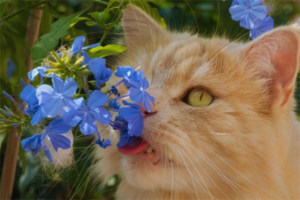
Can a Cat’s Personality Change?
A cat's personality can shift under certain conditions, influenced by negative experiences, health, age, and genetics. For example, a once sunny cat may become timid or depressed after abuse or the loss of a companion. To keep a cat's character stable and healthy, provide a steady environment, proper socialization, and plenty of affection.

Why Is Your Poodle Suddenly Limping?
A Poodle that suddenly limps may have a sprain or strain from play, a fracture, a paw pierced by a foreign object, a joint problem such as hip dysplasia or arthritis, a nerve issue like a slipped disc or neuritis, or a diet so one-sided it lacks vitamins and minerals, weakening the joints and leg muscles. Because Poodles have fine bones and lively temperaments, injuries are common. Rest and a gentle check come first; if the limp persists or worsens, get an X-ray and targeted veterinary treatment.

What to Do When Your Dog’s Joint Is Swollen
A swollen joint in a dog can come from an injury, arthritis, or calcium deficiency, and the right response depends on the cause. Gently pressing the swollen area tells you whether it is painful; pain or refusal to be touched points to a joint problem. Injuries usually settle in a few days with topical treatment, while arthritis needs a veterinarian's diagnosis and long-term care with anti-inflammatory pain relief, weight control, and adjusted exercise. Severe arthritis may require surgery. Keeping the diet balanced helps prevent calcium-related swelling.

Common Misconceptions About Dog Deworming
Common deworming mistakes include focusing only on external parasites, not understanding the medication, using products too often, ignoring environmental cleaning, and choosing a drug that does not match the parasite. Parasites split into internal and external types with many species, so if your dog is infected, pick the right dewormer for that parasite and use the correct dose. Proper deworming protects both your dog and your family.

How to Brush Your Dog’s Teeth
Brushing your dog's teeth is essential for oral health. With the right method and a regular routine, you can keep gums and teeth healthy and prevent dental disease. Gently guide your dog to accept brushing and brush on a schedule. One key point: always use toothpaste and a brush made for dogs, never human products, which can harm your dog's health.
Best Parasite Treatments for Cat Ear Mites
Cat ear mites are a common parasite that causes intense itching and dark, waxy debris; left untreated they can lead to secondary bacterial infection, otitis media or interna, and hearing loss, while constant head-shaking and scratching risk ear hematomas. The key treatment is a parasiticide—but not every product kills ear mites, so checking the label’s spectrum matters. In general, spot-ons containing imidacloprid-moxidectin or selamectin work well at home, also covering scabies, demodex, fleas, lice, roundworms, hookworms, and preventing heartworm, with a gentle, stable profile. A typical plan is one dose every 21–28 days for three rounds to stop recurrence. Early on, a cleaner or miticide with compound nystatin helps soothe and disinfect the ear.