Search Results
6122 results for “FIC”
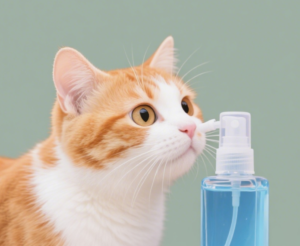
Can Mosquito-Repellent Perfume Poison Your Cat?
That popular mosquito-repellent perfume (the Chinese "flower water") does pose a real risk to cats. Some formulas contain DEET and pyrethroids, both dangerous to cats, and the alcohol, menthol, and camphor in them also irritate. DEET can disturb the central nervous system at high concentration, while pyrethroids are outright toxic because a cat's liver lacks the enzyme to break them down, so toxins build up and can cause organ failure. Cat homes should avoid the product; use screens, nets, electric swatters, or UV traps instead. If a cat shows tremors or vomiting after heavy exposure, never induce vomiting, go to a vet at once.

How Long Do Rabbits Live?
A rabbit's lifespan depends on breed, genetics, diet, environment, daily care, and disease prevention. To extend it, give your rabbit a good home, proper diet and care, and timely health attention. With a clean environment, scientific feeding, and routine care plus prevention, you can greatly lengthen a rabbit's life and share more happy years together.

Bad Breath in Dogs and Cats Is Not “Heat”—3 Types to Self-Check
When dogs or cats have bad breath, many owners assume “heat” and reach for cooling teas or herbs—but most pet halitosis is a disease signal, not a temperature issue. A rotten, fishy odor with red gums, tartar, hesitant eating, or drooling points to periodontal disease (over 70% of pets over 3 years); a strong urine or ammonia smell with extra drinking, extra urination, lethargy, and low appetite signals declining kidney function; and a sour, fermented odor with burping, acid reflux, worse on an empty stomach, and soft stool points to gut or liver trouble. Mild breath, teething at 3–6 months, or a meaty diet smell are normal. Severe or symptomatic breath warrants a vet visit—blood and organ checks—not “cooling” remedies.

Choosing a Cat Dewormer: Why Combination Spot-Ons Suit Multi-Cat Homes
For mostly-indoor cats, a broad-spectrum, gentle combination spot-on is the most cost-effective and stress-free choice—and because most cats hate pills, a transdermal drop avoids force-feeding and the anxiety it causes, which is ideal for beginners and multi-cat households. Useful active types include imidacloprid-moxidectin (prevents a dozen-plus internal and external parasites and heartworm), fipronil-methoprene-eprinomectin-praziquantel (adds tapeworm and tick coverage for outdoor or raw-fed cats), and selamectin (very gentle from six weeks, pregnancy-friendly). In a multi-cat home the real work is operational: deworm all cats together, dose strictly by weight, use an Elizabethan collar and separation to stop licking, and avoid baths 48 hours around treatment. Above all, prevention beats treatment.

How to Choose a Safe Dewormer for Dogs
When picking a dog dewormer, safety beats brand fame, price, or reviews. Weak off-brand products vary in purity, absorption, and residues, and can cause vomiting, diarrhea, lethargy, or skin redness. Judge a product by three things: gentle, compliant, pet-specific ingredients with low toxicity; a precise spectrum covering fleas, lice, mites, roundworm, hookworm, and heartworm prevention; and broad adaptability with very low side effects, including for puppies, adults, and pregnant or lactating dogs. Common active types include imidacloprid-moxidectin spot-ons, fluralaner (an isoxazoline) for long-acting tick and flea control, selamectin for sensitive dogs, and oral fenbendazole-pyrantel-praziquantel for broad internal coverage. Avoid three mistakes: over-frequent or stacked dosing, treating only after you see parasites, and buying unlabeled “no-name” products.
How to Choose a CoQ10 Supplement for Pets
CoQ10 only helps the heart if it is taken correctly and in enough amount. Pets with heart disease show lower CoQ10 levels, and veterinarians commonly add it to prescribed medication as long-term support; seniors over about 7, obese animals, and high-risk breeds (Toy Poodles, Pomeranians, Maine Coons, Ragdolls) benefit most. Because the heart is the body’s highest-energy organ, a deficient dose is essentially wasted—especially since older pets absorb less. When choosing, look for a clearly labeled, well-absorbed dosage from a yeast-derived source, combined antioxidants (fucoxanthin, olive, astaxanthin, vitamins C and E), and a pet-specific form. Avoid three traps: substituting human CoQ10 (some contain pet-toxic xylitol), using it to replace prescription drugs, and inconsistent use.
Cat Ringworm and Stubborn Skin Issues: How to Choose Treatment
Ringworm (dermatophytosis, often Microsporum canis) is famously stubborn and recurrence-prone, and the usual reason is that a surface-only spray never reaches the fungi hiding in the dermis—so it looks better for a day or two, then flares again. Human products can also irritate cat skin. The practical rule is to match the treatment to severity: a broad-spectrum antiseptic spray for early mild spots, a terbinafine spray for a confirmed simple fungal infection, and a ketoconazole-plus-metronidazole ointment when the lesion is ulcerated, smelly, and mixed with bacteria. This article explains why ringworm recurs, how to pick by stage, and the cautions (licensed products, environmental cleaning) that actually stop it coming back.

Key Points for Keeping Goldfish Healthy
To keep goldfish healthy, follow core rules on tank choice, water quality, diet, and health observation. Pick a tank sized to the fish's number and size for enough swimming room, place it stably and quietly away from direct sun, keep the water clean with regular changes and a filter, and feed a balanced diet without overfeeding. Watch your fish's behavior and appearance to catch problems early.

Can You Brush Your Dog’s Teeth With Human Toothpaste?
Never brush a dog's teeth with human toothpaste. Many human formulas contain ingredients toxic to dogs, especially fluoride and xylitol. Dogs swallow the foam instead of rinsing, so toxins build up: fluoride can cause vomiting, diarrhea, irregular heartbeat, and over time kidney and nerve damage, while xylitol is far worse, just 0.1 g per kg of body weight triggers severe low blood sugar and 0.5 g/kg can cause acute liver failure. Mint flavors also make dogs resist brushing. Use a pet toothpaste (look for VOHC approval), brush at least three times a week, and see a vet for red, bleeding gums or worsening breath, which may mean periodontitis.

Can Chinchillas Be Neutered?
Chinchillas can be neutered, ideally before sexual maturity: males around 4-6 months and females around 5-7 months. Neutering controls breeding, calms aggressive or territorial males, and lowers a female's risk of uterine disease and mammary tumors. The procedure is less established in some regions, so choose an experienced veterinarian or a well-equipped hospital, and expect a health check first. Chinchillas are prolific breeders that can mate again within 24 hours of birth, so for pets you do not plan to breed, neutering or strict separation of sexes is the safest approach.