Search Results
6122 results for “FIC”

Why Does Your Dog Have More Dandruff
Increased dandruff in dogs has many possible causes: dry climate, over-bathing or harsh products, low fat intake, poor nutrition, too much dietary salt, or an underlying skin condition. The right response depends on the trigger. In dry weather, add water and a soothing moisturizer; with a skin disease, a proper diagnosis and treatment are needed. Because the skin reflects overall health, identifying the root cause is the key to relieving flaky, itchy skin and keeping the coat healthy.

Why Is Your Dog Coughing Without Producing Phlegm
A dry, hacking cough in dogs can stem from many sources, some harmless and some serious. Common causes include respiratory infections, bronchitis, tracheal collapse, kennel cough, parasite infection, and allergies. Some cases ease on their own, but a cough driven by illness needs prompt treatment to avoid worsening. Because the exact cause depends on the individual dog, observe the full picture and consult a veterinarian if you are unsure. Meanwhile, keep the living space clean and limit contact with other dogs to reduce spread and irritation.

What to Do When Your Dog’s Hind Leg Cramps
A dog's hind-leg cramp can come from poor nutrition, overexercise, low temperature, or too little activity and sore muscles. When it happens, gently massage or apply a warm compress to ease the muscle, then rest the dog in a quiet, warm place. Balance the diet, exercise moderately, and keep the environment at a comfortable temperature to lower the chance of cramps.
How to Choose a Parasite Treatment for Cats and Dogs
Parasites are among the most common yet overlooked threats to pet health—even indoor cats can carry fleas, ear mites, or intestinal worms. With many combined internal-and-external products on the shelf, the key is choosing one that is safe, effective, and practical for year-round use. This guide explains why regular control matters, the four points that should drive any choice, the main active-ingredient classes owners will meet, and how to match a product to a pet's age, lifestyle, and parasite risk. Always confirm the right product with a veterinarian.

Free-Roaming Cats: The Pros and Cons
Free-roaming (letting a cat roam outdoors) has both upsides and downsides. The benefits are freedom, more exercise, and better mental health, the cat explores, satisfies curiosity, stays active and social, and is less repressed than a strictly confined one. But the outdoors carries real danger: traffic and fights with strays, exposure to bacteria, ticks, and fleas that raise skin and infectious disease risk (and can threaten the family at home), and the chance the cat wanders off and never returns. If you choose to free-roam, do it in a enclosed safe area, keep up deworming and vaccines, and fit a tracker. Weigh the trade-offs for your cat's personality and setting.

Are Timid Cats More Prone to Stress?
Timid cats really do stress more easily, spooking at small noises or changes like a stranger visiting or rearranged furniture, and a stress response can range from hiding to vomiting, diarrhea, fast breathing, or even urinary blockage and, in extreme cases, death. Stress is a physical and mental reaction that puts the body on alert and, if prolonged, can damage organs or cause sudden collapse. Timid cats tend to be emotionally rich and very sensitive to environment change, so the fix is a stable, quiet home with few surprises, plus gradual socialization to build confidence. After a stress episode, give space and only comfort once calm; seek a vet if signs are severe or persist.

What to Do When Your Rabbit Keeps Sneezing
Rabbits have sensitive noses, so frequent sneezing can signal anything from a mild allergy to a respiratory infection. Common triggers include pollen and dust allergies, poor diet, colds caught in damp or cold environments, and sinusitis. If your rabbit sneezes occasionally with no other signs, it is usually nothing to worry about. But if sneezing is frequent or paired with discharge, coughing, or red eyes, you should improve the living environment, adjust the diet, identify and remove allergens, and seek a veterinarian's advice. This guide walks through the likely causes and the practical steps you can take at home before a clinic visit becomes necessary.

Why Human Cold Medicine Is Dangerous for Pets
Because cats and dogs metabolize drugs differently from people, they may not process ingredients like acetaminophen, pseudoephedrine, and caffeine, and even small amounts can poison them, sometimes fatally. Most over-the-counter human cold medicines are unsafe for pets. For mild cases when pet-specific medicine is unavailable, gentle herbal options exist, but vet care is best for serious symptoms.

Summer Dog-Walking Survival Guide (With Heatstroke First Aid)
Dogs have almost no sweat glands and cool mainly by panting, so above 28 C their cooling efficiency drops below a fifth of ours, and asphalt can hit 57 C while a dog's belly, only 20-30 cm off the ground, breathes air 5-8 C hotter. That makes summer walks risky. Walk before 7 a.m. or after 8 p.m. in shaded parks or grass, carry a folding bottle and offer water every 15 minutes, and cap time by breed, short-nosed dogs under 15 minutes in shade, sport breeds rest 5 minutes per 10 of exercise, small dogs under 10 minutes several times a day. Heatstroke can reach organ failure in 30 minutes; early signs are heavy panting, dark purple tongue, thick drool, then staggering and vomiting above 40 C, and seizures or coma with up to 80% death if untreated. First aid: move to shade, wipe groin/armpits/neck with room-temp water, give small sips if awake, keep head low, and rush to a vet.
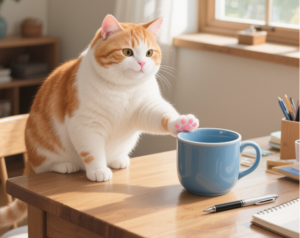
Why Does Your Cat Keep Pushing Things Off the Table?
When your cat knocks your cup or pen to the floor, it isn't pure mischief. A 2019 Cornell study found domestic cats keep about 80% of their wild hunting instinct, so they treat desk objects as "motionless prey" and the push is a mock hunt, especially for round things that roll like escaping prey. Cats are also smart readers of your mood; any big reaction, scolding or a wry laugh, teaches them that pushing things earns attention, and bad attention beats being ignored. Frequent exploring is actually a mental-health sign. Curb it with a designated play zone, daily hunting games, ignoring the act, and physically securing valuables.