Search Results
6122 results for “FIC”

Choosing the Right Skin Spray for Cat Fungal and Bacterial Dermatitis
Cat skin problems such as ringworm, allergic dermatitis, and mite infestations share overlapping signs—hair loss, itching, scaling—which makes guessing the right treatment risky. Using a product aimed at only one pathogen often fails when the real cause is different, leading to repeated flare-ups and irritated skin. A well-designed pet skin spray should offer broad-spectrum activity against both fungi and bacteria, penetrate the skin surface to reach deeper infection, and support barrier repair so problems stop recurring. This guide explains the main types of cat skin disease, why a penetrating broad-spectrum formula works better, the safety and ingredient features to look for, and why a veterinary diagnosis should come before you reach for any spray.

CoQ10 for Senior Pets with Early Heart Enlargement: What Owners Should Know
Cardiac enlargement in senior dogs and cats is not a single disease but a compensatory change—thickened heart muscle—that often appears with valve disease or cardiomyopathy. Under the ACVIM system, Stage B (split into B1 and B2) means structural changes are visible on X-ray or exam, yet the pet shows no obvious heart-failure signs, making it the ideal window for early support. CoQ10, a fat-soluble compound naturally made in heart cells, powers mitochondrial energy production and shields tissue from oxidative damage. Because endogenous CoQ10 falls sharply with age, supplementation is one of the most studied, low-cost veterinary adjuncts for cardiac care. This article explains Stage B heart enlargement, why CoQ10 helps, how to choose a transparently labeled pet-specific supplement, and the daily diet, exercise, and recheck habits that protect an aging heart.

What Happens If a Dog Rarely Gets Sunlight?
A dog that rarely sees sunlight can develop health problems, including calcium deficiency that leads to poor bone growth, weak legs, unsteady walking, and even leg or spinal deformity. Lack of light also lowers skin resistance and makes skin disease more likely. Owners should let dogs sunbathe moderately, while avoiding too much exposure that could cause sunburn or heatstroke. This article explains the risks of too little sun, the real benefits of sunlight, and how to sun your dog safely.

Are Teacup Dogs Easy to Care For?
Teacup dogs win fans with their tiny, cute looks and gentle nature, but they're fragile and low-immunity, so they need careful, attentive care. They're sensitive to temperature, so dress them warmly in cold weather, and keep up daily grooming—eye-stain cleaning and coat brushing—to stay clean. Feed a high-quality diet sized to them in controlled amounts to avoid obesity. Though small, their health needs are real: regular vet checks, vaccinations, and deworming are essential. With patience and the right know-how, they bring plenty of joy.

Why Do Dogs Develop Cervical Spondylosis?
A dog can develop cervical spondylosis for many reasons, including genetics, poor nutrition, holding one posture too long, overexercise, age, and environment. Some breeds with unusual body shapes are more prone to it. Long-term calcium deficiency weakens the bones, making the cervical spine easier to compress and injure. Older dogs are also at higher risk because of bone loss and weaker muscles. This article explains the common causes of cervical disease in dogs and what symptoms and home care look like once it is diagnosed.

What to Know Before Dyeing Your Dog’s Coat
Dyeing a dog's coat is trendy on social media, but done wrong it can harm your pet. Only use dyes made specifically for dogs to avoid harsh chemicals; confirm the skin and coat are healthy first, and skip it for short-haired dogs, whose skin dyes easily irritate. Prep by washing the coat, apply the color carefully away from the eyes and mouth, respect the timing, and rinse gently with a mild pet shampoo. Watch for redness, itching, or breathing trouble afterward and see a vet at once. When in doubt, leave the dye job to a professional salon.
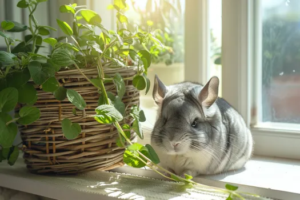
How to Relieve Gas and Bloating in Chinchillas
When a chinchilla is bloated, you can gently massage its abdomen to encourage gut movement and help gas pass. If the bloating persists or worsens, consult a veterinarian who can examine the cause and advise proper treatment. For chinchillas that bloat often, adjust the diet and offer more hay, since its fiber supports digestion and prevents gas. Feeding smaller meals several times a day instead of one large portion also slows eating and reduces digestive upset. This article covers the common signs of bloating and the practical steps you can take at home to help your chinchilla feel better.

Why Is My Dog in Pain When Urinating?
When a dog shows pain while urinating, the cause is usually a problem in the urinary tract, such as a urinary infection, bladder stones or crystals, or a blockage. Along with painful urination, you may notice frequent or urgent attempts to urinate, straining, reduced output, blood in the urine, cloudy or pus-like urine, or a complete inability to pass urine. Because these conditions can quickly become serious, any sign of painful urination means your dog should be seen by a veterinarian promptly. Diagnosis may involve urinalysis, X-rays, ultrasound, or other tests, and treatment is chosen according to severity, ranging from relieving a blockage and catheterization to medication or surgery.

What Foods Can Harm Your Hamster’s Health?
Not every food that is safe for people is safe for hamsters. Chocolate, caffeine, fatty or fried foods, sugary and salty items, and anything containing alcohol or artificial sweeteners can cause digestive trouble, obesity, poisoning, or even death. Certain fruits and vegetables, such as citrus, garlic, and onion, can also trigger poisoning or stomach irritation, while too much high-fat food may lead to obesity, liver disease, and heart problems. Hamsters need a balanced diet, and a single, repetitive food source can cause malnutrition. Learning which foods to avoid, and how to build a healthy daily menu, helps keep your small pet safe and thriving.

Can Cat AIDS Be Transmitted to Humans?
Feline AIDS is caused by the feline immunodeficiency virus (FIV), which, like HIV in people, damages a cat's immune system. The reassuring answer is that cat AIDS does not spread to humans; there is no solid evidence of FIV passing between people. Still, the virus is highly contagious among cats, so protect your own cat by keeping it healthy with regular checkups, good hygiene for bowls, and avoiding contact with stray or wild cats. An infected cat carries a high viral load in its saliva and can pass FIV through bites or mutual grooming, and a mother can pass it to her kittens. Among cats, isolate any FIV-positive cat, have it neutered, and limit contact with other pets; test new cats before bringing them home and vaccinate after two months. FIV cannot be cured and is managed supportively, often with no treatment if the cat shows no symptoms beyond indoor isolation, checkups, and quality food, while symptomatic cats get targeted care such as antibiotics, steroids, antivirals, or interferon. With isolation and good care, an FIV cat can live long.