Search Results
6163 results for “FIC”

What to Do If Your Dog Eats Onion (Onion Poisoning)
Onions contain propyl disulfide, which cripples red-cell defenses (G6PD) and causes oxidative damage, Heinz-body formation, and hemolysis. Treatment is antioxidant and liver support with antiemetics and nutrition, and a transfusion if the red-cell count crashes.
Easiest Ornamental Fish for Beginners
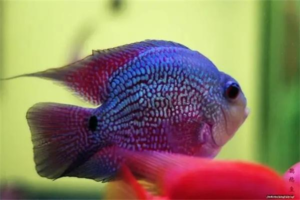
Good first fish are the hardy, cheap grass goldfish; the tiny, easygoing zebra danio; African rift-lake 'mixed cichlids' with vivid color; the prolific, breeding mini parrot cichlid; and the mid-sized, low-cost oscar and blood parrot. Match tank size and temperature to each — grass goldfish and danios tolerate cool water, while the cichlids want warm, slightly alkaline water and room to avoid squabbles.

What Causes a Fever in Cats?
Fever in cats comes from infection, inflammation, cancer, or immune disease — with FIP and leukemia the most common mysterious causes. The key is treating the underlying problem, supporting with fluids, and using fever reducers only above 41°C (105.8°F).

What to Do When Your Cat Has Indigestion
Feline indigestion is a mild gastrointestinal inflammation that disrupts motility, digestion, and absorption; left untreated it hinders growth and can be fatal. Acute cases follow spoiled food and cause violent vomiting and diarrhea, while chronic cases follow overfeeding and cause milder signs, each addressed with a specific herbal formula.

Canine Parainfluenza: Symptoms and Treatment
Canine parainfluenza is a contagious viral respiratory disease spread by aerosols from infected dogs, with fever, mucoid nasal discharge, sneezing, and a cough. Supportive care — serum therapy, antivirals, antibiotics against secondary infection, and careful fluids — carries most dogs through, though mortality can reach about 60%.

Pseudorabies (Aujeszky’s Disease) in Dogs and Cats
Pseudorabies is a herpesvirus infection that mimics rabies but is defined by intense itching and encephalomyelitis, usually killing dogs within 24 to 36 hours. Dogs catch it mainly by eating infected pig or rat offal or through skin wounds, so control relies on rodent control, no raw pork, and disinfection.

Treating Refractory Anorexia in Dogs
Stubborn, hard-to-cure anorexia in dogs usually starts from eating unclean food or a sudden weather change that upsets digestion. Affected dogs run a temperature swing, vomit and diarrhea, and hide, and are managed with fluid and cardiac support plus oral antiviral, hemostatic, and antibiotic medication.

Important Considerations for Breeding Cats
Breed cats only after they are physically mature, ideally from about one year old and on the second day of estrus for the best success. Avoid cross-breeding, large size differences, inbreeding within four generations, and any unhealthy mate, all of which raise the risk of defective or weak kittens and difficult labor.
Fever in Cats: Causes and Management
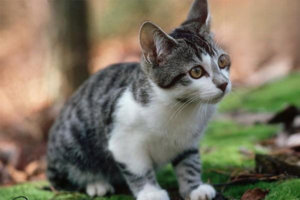
Fever is a reset of the hypothalamic set point that helps the immune system fight infection, whereas hyperthermia is heat overload without a set-point change. Management targets the underlying disease with fluids, antibiotics, and nutrition, using antipyretics only above 41 C because NSAIDs clear slowly and risk kidney toxicity in cats.

Feline Acute Pancreatitis: Symptoms and Care
Feline acute pancreatitis happens when pancreatic enzymes activate inside the gland and digest the organ itself, causing swelling, bleeding, or necrosis. Cats show vomiting, anorexia, dehydration, and abdominal pain, and are managed with fasting, antiemetics, pain control, fluids, and a low-fat diet.