Search Results
6163 results for “FIC”

What to Do When Your Dog Has Difficulty Defecating
Straining to poop — painful, prolonged, or incomplete defecation — can be temporary or a sign of something serious. Causes range from simple constipation to masses, hernias, or prostate disease. Here is what the vet checks.

What to Do When a Cat or Dog Has Difficult Labor
Dystocia means the mother can't pass the puppies or kittens without help. It stems from the mother's weak contractions or the fetus's size or position — and recognizing the warning signs early is what saves the litter.

Diminazene Aceturate Poisoning in Dogs
Diminazene aceturate is an effective antiprotozoal drug with a narrow safety margin — the recommended dog dose is 3.5 mg/kg, and 7 mg/kg already produces severe neurological signs. There is no specific antidote, so treatment is supportive (fluids, detox, liver protection, antispasm), and the drug should be given as a single, deep, split-site injection.

Postpartum Urinary Dribbling in Cats
Postpartum urinary dribbling or incontinence in cats comes from depleted qi and blood after birth, leaving the central qi too weak to hold urine. It presents in three patterns — qi deficiency, kidney deficiency, and birth trauma — and typically responds to a single dose of a qi-lifting herbal decoction.
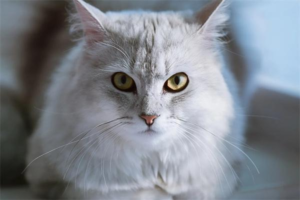
Why Cats Sleep with Their Eyes Open
A cat sleeping with its eyes open may simply be in light sleep, unsettled by noise, watching you, or waiting for food. It can also signal a problem: an eye injury or foreign body, or dry eye, both of which need prompt care to avoid lasting damage.
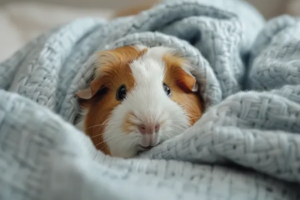
Common Hamster Diseases and Treatments
Hamsters commonly face colds, skin disease, eye inflammation, and diarrhea. Keep the cage warm, clean, and dry, feed a balanced diet with vitamin C, and treat each problem specifically — mild colds and diarrhea often settle with careful home care, but severe cases need a vet. Never dose blindly; a hamster's tiny size means a little medicine goes a long way.
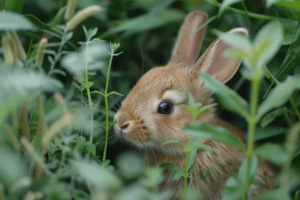
Why Rabbits Pull Their Own Fur
A rabbit pulling its fur may simply be a pregnant doe lining a nest before birth — or it may signal skin disease, parasites, a vitamin/mineral shortfall, or the stress of too small a cage. Check the skin for rash or scabs, fix the diet with varied hays and greens, and give it room to roam; separate any fur-puller from cage-mates so the habit doesn't spread.

Causes of Anemia in Cats and How to Help
Feline anemia falls into three mechanisms — reduced red-cell production, blood loss, and increased destruction — and the pattern (regenerative versus non-regenerative) guides the workup. From kidney failure and FeLV to parasites and onion toxicity, identifying the root cause is what turns supportive care into real recovery.
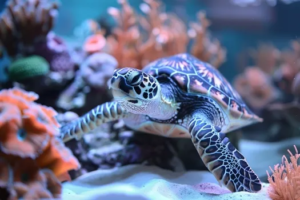
The Easiest Pet Turtles to Keep
Good starter turtles include the red-eared slider, Chinese pond turtle, Mississippi musk turtle, yellow-margined box turtle, snapping turtles (commonly the alligator snapper's smaller cousin), razorback musk, yellow-bellied side-neck, West African side-neck, and red-bellied cooter. Most are hardy and adapt well, but learn your species' needs — and never release a non-native turtle into the wild.
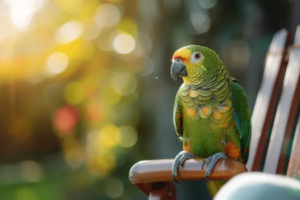
When Society Finches Can Breed and How to Manage It
Most society finches can breed from about 7 to 8 months, while smaller types start at 4 to 5 months; they lay up to 4 to 5 clutches a year with parents sharing incubation. Success depends on good nutrition, a quiet nest, egg candling around day 7 to 8, and careful chick rearing.