Search Results
6163 results for “FIC”

Why Dogs Develop Pyoderma
Pyoderma is a bacterial skin infection that forms pus-filled lesions, split into superficial and deep forms, and it usually follows parasites, allergies, hormones, or a weak immune system. Keeping the coat clean and dry, staying on top of parasite control, and avoiding over-bathing all help prevent it.

Symptoms of Eye Inflammation in Cats
An inflamed eye shows up as uncontrolled tearing, redness and swelling, heavy discharge, squinting, and cloudiness. Mild cases may improve with a diet switch and cat-specific eye drops, but persistent or severe inflammation needs a veterinarian.

What to Do If Your Dog Gets Tetanus
Dogs resist tetanus better than many animals, but a bad case still kills by suffocation. After a 5–21 day incubation the dog shows stiff ears, a fixed stare, drooling, and spasms, and may die within days; recovery is slow and many never fully regain muscle control. Treatment means quiet, dark nursing, cleaning the wound with antiseptic, and controlling spasms under a vet's care.

Why Your Cat Breathes Loudly While Sleeping
A loud purr or snore during sleep is often just contentment, but pair it with sneezing or coughing and a respiratory infection is likely — narrowed airways make breathing noisy. Mild cases respond to doxycycline, while severe ones need nebulization, fluids, and a vet's diagnosis.

Why a Kitten’s Hind Legs Splay Outward
A kitten with splayed hind legs may have been born with a skeletal deformity or suffered nerve or bone damage during birth, which imaging can confirm and surgery may correct. A sudden onset more often points to a metabolic cause such as calcium deficiency from a bad diet or a thyroid disorder, which responds to calcium, vitamin D, and sunlight.

Why Is Your Rabbit Dragging Its Hind Legs?
A rabbit dragging a hind leg won't recover on its own — get it to a vet for imaging to rule out a fracture, then look at calcium deficiency, nerve damage, or soft-tissue injury. Fractures often come from falls, improper handling, or cage-floor pressure, and frightened rabbits can hurt themselves bolting; keep the enclosure calm and safe. Prompt, cause-specific treatment is the only way to avoid permanent paralysis.

What to Do When a Rabbit Is Lethargic and Won’t Eat
A rabbit that stops eating and loses its spark is often overfed, frightened, bacterial, or battling internal parasites such as coccidiosis. Male rabbits may simply be blocked by a full bladder, while coccidiosis needs prompt antiparasitic treatment — and any unclear case belongs at the vet.

Why Light Matters for Rabbit Growth
Light is essential to a rabbit's health — moderate exposure aids growth, speeds fur production, and boosts fertility, with long-haired rabbits the most dependent (artificial light can lift their yield about 35% over natural). Lean on natural light first and top up with artificial, giving breeding does around 16 hours; but keep summer sun short to avoid heatstroke.
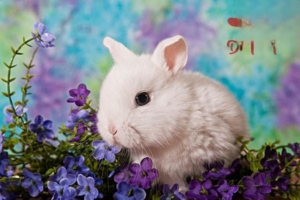
Winter Care for Rex Rabbits
Winter's cold, short days, and scarce greens threaten rex rabbits with illness and poor breeding, so hold the barn above 10°C (below 5°C is life-threatening), keep it dry and ventilated, add light, and warm kits. Feed more energy-rich food — roughly 23–25% of the diet — with nighttime meals at 60% of daily intake and some carrot or greens to avoid vitamin lack.

Is a Spotless Dog Ear Always Better?
A dog's ears self-clean — wax traps debris and slowly works it out, so over-cleaning does more harm than good and can upset the ear's pH, especially with existing disease. Clean about weekly with a pet ear solution, watch for odor or redness, and skip hydrogen peroxide, which kills the helpful bacteria too.