Search Results
1285 results for “Enteritis”

Internal Parasites in Turtles: Tapeworms and Roundworms
Tapeworms and roundworms are two of the most common internal parasites in turtles, and telling them apart matters because the treatment differs. Tapeworms steal nutrients in the gut and shed visible segments in the stool; roundworms come in many forms and can block the intestine when severe. Both are diagnosed through fecal exams and treated with specific dewormers plus gut support. This guide outlines the symptoms of each and the practical medication and aftercare steps to clear them.
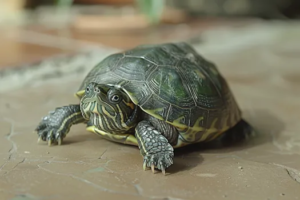
Internal Parasites in Turtles: Flukes and Protozoa
Flukes and protozoa are among the more common internal parasites in pet turtles, and knowing their signs helps you act before they drain your turtle's health. Flukes lodge in the liver, pancreas, and gut, causing appetite loss and bloody stool, while protozoa such as amoebas inflame the intestine and often trigger bacterial enteritis at the same time. Both are diagnosed through fecal checks and treated with specific dewormers plus gut support. This guide lays out the symptoms and the matching treatment for each parasite.

Why Isn’t My Ragdoll Cat Gaining Weight?
Ragdoll cats that eat plenty but never seem to gain weight worry many owners, yet the cause is not always disease. Genetics, low activity, or an unbalanced diet may simply mean your cat burns or absorbs fewer calories than expected. Parasites are another common culprit that blocks nutrient absorption. If diet and exercise adjustments bring no improvement, a veterinary check-up can rule out hyperthyroidism, digestive disorders, or liver problems. This article explains the likely causes and the practical steps you can take at home to help your Ragdoll reach a healthy weight.

What to Do If Your Dog or Cat Has Tapeworms
Many species of tapeworms parasitize dogs and cats, and the adult worms seriously harm their health, while the larval stages often use livestock or humans as intermediate hosts, threatening both animals and people. Common species include Dipylidium caninum, Taenia spp., Echinococcus granulosus, Mesocestoides, Spirometra mansoni, and Diphyllobothrium. Infection causes intestinal inflammation, malnutrition, and in severe cases intestinal blockage, with signs like vomiting, diarrhea, weight loss, and odd behavior. Diagnosis relies on clinical signs plus fecal egg exams. Prevention means regular deworming, not feeding raw offal, and controlling fleas. Treatment uses praziquantel (5 mg/kg dogs, 2 mg/kg cats), arecoline hydrobromide, bunamidine, or fenbendazole under veterinary guidance. Because some tapeworms (like Echinococcus) also endanger human health, prompt and correct control matters.

What to Do When Your Cat Becomes Lethargic?
Cats are naturally quiet companions, but a sudden loss of energy is a signal worth attention. The two main reasons are emotional and physical: a cat left alone too long can grow depressed and withdrawn, while illness—from a simple cold to oral, skin, or stomach problems—drains its spark. Because lethargy is a common early sign of disease, owners should look for other clues and act. This guide explains why cats go listless and how daily companionship plus prompt veterinary care can bring your lively cat back.
Why Is a Puppy Vomiting and Refusing to Eat?
When a young puppy vomits and turns away from its food, the cause usually falls into one of four buckets: stress from a new home or unsuitable food, uncontrolled feeding habits, internal parasites, or an infectious disease such as distemper. Puppies are especially vulnerable because their immune and digestive systems are still developing, so a single episode should not be ignored. Identifying which factor is behind the symptoms lets you act quickly—whether that means calming the pup, fixing the feeding routine, deworming, or getting to a vet before a treatable problem becomes serious.
Why Is My Cat Vomiting Green Liquid and How Should I Treat It?
Seeing your cat bring up green liquid is worrying, but it usually points to one of a few common and manageable causes. The green color often comes from bile, which appears when the stomach is empty or the gut is irritated. Frequent triggers include acute gastroenteritis from weather changes or sudden diet switches, internal parasites, spoiled food, and hairballs that will not pass. The right response depends entirely on the underlying cause—some cases need only warmth and probiotics, while others call for prompt deworming or a vet visit. This guide walks through each possibility and the matching treatment.

Cat Vomiting After Every Meal: What to Do
When a cat throws up everything it eats, the cause may be a gut blockage from a swallowed object or hairballs, organ disease in adults, or acute gastroenteritis from bad food, parasites, or infection. Get a vet check first, bloodwork, fecal, and imaging pinpoint the cause. If a clinic isn't possible immediately, fast 4-6 hours, then a vet-prescribed gut antibiotic and anti-emetic can ease pain and protect the gut lining; hairball paste and probiotics help if it's just hairballs or a partial blockage. Untreated, frequent vomiting leads to dehydration and worse.

Why Your Cat Throws Up Undigested Kibble (and How to Stop It)
Cats that vomit undigested kibble usually have a gut issue. Eating too fast or too much, hairballs from grooming, or gastroenteritis from infection, parasites, or foreign objects are the usual triggers. For mild cases, a short fast plus a pet probiotic helps; hairballs respond to hairball paste or cat grass. If gastroenteritis is the cause, only medicate after vomiting stops, using a vet-prescribed antibiotic and anti-emetic, and keep regular deworming and small meals to protect the gut.

What to Do When Your Dog Has Frequent Diarrhea
Frequent dog diarrhea usually traces to one of four causes: a chilled stomach from cold weather or cold food, intestinal parasites (look for worms in the stool), gastroenteritis (viral or bacterial), or simple overeating and dietary indiscretion. Warming the dog and adding a probiotic helps mild cases, deworming treats parasites, and a vet may use anti-diarrheals plus antibiotics for gastroenteritis. Persistent, bloody, or accompanied diarrhea needs prompt veterinary care.