Search Results
1285 results for “Enteritis”
Why is my cat bleeding from its bottom?
Bleeding from the anus is usually caused by trauma or infection, but can also signal hemorrhagic enteritis, gastroenteritis, feline distemper, or a sharp object injury. Check for wounds; if none, see a vet.

What to Do When a Hamster Is Weak and Lethargic
A usually lively hamster that suddenly turns weak and listless is signaling a problem worth watching. Causes range from illness such as a chill, gastroenteritis, dental trouble, or poor nutrition, to an unhappy environment that is too cold, humid, or noisy, to stress from bullying by other pets or a sudden move, and to a dull diet lacking key nutrients that lowers overall condition. Help it by improving the home: keep it clean, quiet, and comfortable with limited light and noise and add toys and climbs for enrichment. Offer fresh food and water and clear leftovers so it never eats spoiled food, and broaden the diet with vegetables, fruit, and mealworms for full protein, vitamins, and minerals alongside the base mix. If the weakness lingers, see a vet to find and treat any underlying disease. Tackle habits, diet, environment, and stress together for the best recovery.

After the Swim: Preventing Ear Infections, Skin Trouble, and Tummy Upsets in Dogs
Swimming is a great low-impact workout that cools dogs off and supports their joints—but skipping the clean-up afterward can lead to three common problems: ear infections, skin irritation, and digestive upset. A dog’s L-shaped ear canal traps water that shaking alone won’t fully remove, creating a warm, moist space where yeast and bacteria thrive. Thick or double coats that aren’t fully dried breed the same trouble on the skin. And a cold abdomen plus post-swim air conditioning or ice water can upset a sensitive gut. The fix is simple: clean and dry the ears, blow-dry the coat layer by layer (especially armpits, belly, and paw folds), and let the dog rest before any AC, cold water, or rough play—offering a probiotic if its stomach is delicate.

Why Is My Cat Gagging but Not Vomiting?
A cat that gags without producing vomit is most often dealing with hairballs, but frequent gagging can also mean dietary upset, gastrointestinal disease, throat irritation, or nervous factors. Owners can help by offering hairball paste or cat grass, giving warm water to dilute stomach acid, and keeping the environment clean and free of irritants. Because gagging may signal something more serious, watch for other signs such as diarrhea, appetite loss, or lethargy, and consult a veterinarian if it lasts or worsens.
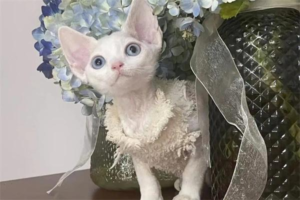
Why Is Your Cat Vomiting White Foam?
White foam vomiting in cats has many causes—food intolerance, digestive upset, hairballs, and gastrointestinal disease among them. Take it seriously and find the trigger. Prevention includes regular brushing, avoiding spoiled or hard-to-digest food, and routine deworming. If it's food-related, pause feeding then switch foods; for digestion, offer easily digestible food; for hairballs, give hairball remedies and brush often; if a health problem is behind it, see a vet rather than dosing blindly.

Why Does Your Cat Eat but Stay Thin? (Worms and More)
A cat that eats well but stays thin is often fighting intestinal parasites—roundworms, tapeworms, hookworms, giardia, or coccidia—that steal nutrients and release toxins interfering with digestion, causing slow or lost weight, anemia, and poor growth. Tell-tale signs include soft stools, rice-like segments near the anus, scooting, pale gums, and a swollen belly. But worms are not the only cause: poor absorption, hyperthyroidism or diabetes, repeated heat cycles, or a low-protein diet can also keep a cat lean. The fix is a tailored deworming plan plus gut probiotics and high-protein meals; spaying helps if heat is the driver. See a vet if weight keeps dropping.
What medicine should I give a cat that vomits white foam?
White-foam vomit can signal spoiled food, a foreign object, hairballs or gastroenteritis. Medication is usually not advised until the cause is known, since a vomiting cat will just throw the medicine back up.

Canine Parvovirus: Symptoms and Treatment
Canine parvovirus is an acute, highly contagious infection that hits puppies hardest and carries a high death rate. It shows as either severe hemorrhagic enteritis or sudden heart failure, and because mixed infections are common, quick recognition matters. Supportive care, fluids, and vaccination are the cornerstones.

What to Do When Your Dog Is Too Thin
A thin dog can fall into two patterns: one that eats little and wastes away, and one that eats plenty yet still loses weight. The second is often more telling, because calories are going somewhere other than the body. Matching the pattern to the likely cause is the first step toward fixing it.

Why Is Your Dog Having Diarrhea
A healthy dog passes formed stool three to four times a day. More frequent, soft, watery, mucus-laced, or bloody stool is diarrhea, a sign of illness rather than a normal variation. Clinically it is split into acute (sudden) and chronic (long-lasting) forms, each with its own common causes.