Search Results
1285 results for “Enteritis”

Cat Vomiting Yellow Fluid and Undigested Kibble: Causes and Care
When a cat throws up yellow fluid and undigested kibble, weak intestines, especially in kittens, are often to blame. If lethargy and appetite loss accompany it, rule out feline panleukopenia with a vet. Otherwise the usual causes are simple indigestion from irregular feeding, intestinal parasites, or gastroenteritis from spoiled food. Manage mild cases with a pet probiotic and a short fast, treat parasites with a dewormer, and seek a clinic if it persists beyond 24 hours.
Dog Bloody Stool and Vomiting: Causes and Solutions
Dog vomiting with blood in the stool can stem from simple overeating, gastroenteritis, serious viral disease (distemper or parvovirus), or parasites. Overeating and rough play after meals cause acute vomiting; gastroenteritis brings recurring diarrhea and sometimes blood; parvovirus shows lethargy, foul diarrhea, and respiratory signs; long gaps since deworming point to parasites. See a vet for diagnosis, fast the dog, and use probiotics to support recovery.

Ten Foods That Are Toxic to Cats
Cats are curious eaters, and many common human foods are dangerous for them. This list covers ten items to keep away from your cat: grapes and raisins (kidney failure), chocolate (a toxin that hits the digestive system, nerves, and heart), caffeine, too much organ meat (calcium deficiency and mobility problems), tomato leaves and stems, mosquito-coil liquid (a surprising summer respiratory hazard), fish bones (choking and perforation), onions and leeks (red-blood-cell destruction), persimmon seeds (blockage and enteritis), and raw seafood (vitamin B deficiency and hind-leg paralysis). Knowing these helps you prevent accidental poisoning.

How to Manage Chronic Indigestion in Dogs
Recurring indigestion in dogs is often linked to poor diet, food allergies, or conditions like gastroenteritis. Managing it starts with the right food: choose an age- and health-appropriate dog food, avoid greasy, spicy, or irritating human foods, and add vegetables, fruits, and fiber to support gut movement. Probiotics or digestive enzymes can aid digestion, while clean bowls and fresh water prevent contamination. Feed smaller, more frequent meals, transition diets gradually, and take your dog for a gentle walk about half an hour after eating to stimulate the gut. Persistent or worsening signs warrant a veterinary visit.
Why Your Cat May Sleep More or Pass Gas After Deworming
House cats are usually dewormed every 2-3 months, and most show no reaction, but a cat with a heavy parasite load or a weak constitution can have mild side effects. Frequent passing of gas comes from the drug speeding gut movement and fermenting food; if the cat acts normal it eases within an hour, and a pet probiotic can help. Mild vomiting or diarrhea, drowsiness, or lowered appetite are also usually normal and pass in 1-2 days, though severe cases need a vet to rule out toxicity or fatty liver.
Different Types of Vomiting in Dogs
Dog vomiting falls into three patterns. Single vomiting happens once and resolves, often from overeating or exercise right after eating, though stress-induced cases need monitoring. Persistent vomiting repeats frequently with bile, intestinal contents, or blood—pointing to acute gastroenteritis or blockage. Long-term intermittent vomiting recurs cyclically and suggests chronic gut issues, irritable bowel, or metabolic disease.
What happens if a dog eats chicken intestines?
A small amount of cooked chicken intestine is harmless, but its high fat content can cause obesity, so don't overfeed. Never feed raw intestines — they carry bacteria and parasites that can cause gastroenteritis, diarrhea, and vomiting. Wash with salt, boil thoroughly, and if raw was eaten, give probiotics and deworm regularly.
What happens if a dog eats fake dog food long-term?
Long-term consumption of fake dog food causes indigestion — many counterfeit foods use sand and ground-stone powder in place of starch — leading to gastroenteritis, kidney failure, and even death. It also causes malnutrition and, because of heavy palatant use, picky eating when you try to switch foods, so any diet change must be gradual.
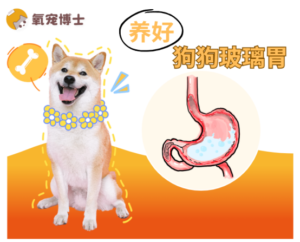
How to Care for a Dog with a Sensitive Stomach
A weak gut hurts more than digestion—it drags down nutrient uptake and immunity. Causes range from sudden diet changes and parasites to infection, chronic gut disease, and stress. The fix is a gentle, single-source diet on a fixed schedule, a careful transition to new food, light toppers like pumpkin or boiled chicken, and pet probiotics. Keep the belly warm and add gentle exercise; see a vet for persistent vomiting, blood, or lethargy.
My cat is vomiting yellow fluid with blood
A cat vomiting yellow fluid with blood can stem from indigestion, feline distemper virus, internal parasites, or gastroenteritis. Try brief fasting, give pet anti-inflammatory and anti-vomiting meds plus probiotics, and watch for improvement. If vomiting persists, see a vet.