Search Results
1286 results for “Cat bath”

Guinea Pig Care Essentials
Guinea pigs (cavies) are social, vegetarian pets that need a companion, a roomy cage, constant access to hay and water, and never onion, garlic, meat, or human snacks. Keep them at 18 to 29°C away from cats and dogs, handle them with support, and groom, trim nails, and bathe in warm sunny spells.

Lop Rabbit Care Essentials
Lop rabbits make popular pets but need correct care. Buy a 2 to 3 month healthy one, feed pellets and hay as staples with small vegetable and fruit treats (none under 6 months), never meat or spicy food, and keep cats away to avoid toxoplasmosis. Litter-train early, walk at dusk on safe ground, keep 18 to 25°C, and groom, bathe monthly, and trim nails.

How to Care for a Teddy (Poodle) and What to Watch
The Teddy (Poodle) is the smartest small dog — lively, gentle, loves interaction, and adapts fast, so it's a family favorite. But care needs attention or health issues arise. Here is how to keep one and the precautions.

4 Common Mistakes When Walking Your Dog
Daily walks help a dog's health, but the wrong approach causes harm. Always use a leash, avoid walking in high heat, keep the dog at your side rather than letting it lead, and limit time in grass and bushes where ticks and parasites lurk. Regular deworming and bathing also protect against external parasites.

How to Care for a Postpartum Dog
After whelping, clean the mother, keep her warm, and support milk with nutritious soups and calcium; watch for lochia and metritis, avoid bathing, and protect puppies from a stressed or neglectful mother.
How to Keep a Hamster Cage from Smelling
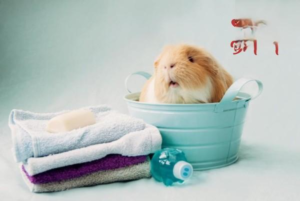
Hamster odor comes from poor cleaning and messy habits. Control it with a pellet-and-water diet (limit watery fruit and protein), absorbent bedding changed every 3–4 days in summer, regular sand baths, and frequent cage disinfection in a ventilated spot.

How to Prevent Skin Disease in Shih Tzu Bear Hamsters
The Shih Tzu bear hamster has long, beautiful fur but is prone to skin disease. Causes include wrong bedding (wood shavings, paper pellets) that mats the coat, and urine left on the fur causing hair loss and sores. Treat by clipping and cleaning the spot, then applying an antifungal or antibacterial medicine with an Elizabethan collar. Prevent it with a roomy, dry, cool cage, cat-litter or tissue bedding, litter training, and regular sand baths.

Are Chinchillas Easy to Keep, and How Much Do They Cost?
Chinchillas are fairly easy: gentle, quiet, clean, and light eaters, living 15+ years. Prices run 300-500 yuan for standard grey up to 3000-5000 for rare colors. Downsides: timid, heat-intolerant (die above 30 C), limited bonding, and fragile digestion.

Chinchilla Care Basics: What Living Environment Do Chinchillas Need?
Chinchillas come from the dry, cool Andes, so they need 10-25 C and 40-60% humidity, dim light, fresh air without drafts, a quiet spot, and a tall cage placed up high where they feel safe.
Why Chinchillas May Not Be for Everyone: Drawbacks and Who Should Avoid Them
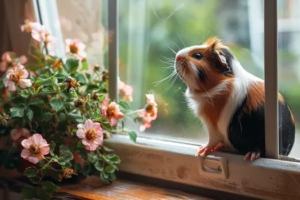
Chinchillas are gentle but timid, shed, chew things, interact little, and overheat above 30 C. They suit allergy-free, patient, financially ready owners who can keep a quiet, cool, dry home - not light sleepers or the impatient.