Search Results
1286 results for “Cat bath”
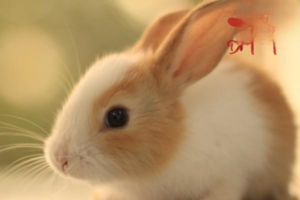
What to Do When a Rabbit Sheds Excessively
Heavy shedding has several causes. Seasonal molts (March–April, September–October) are normal — just groom daily. Diet lacking fiber or vitamins A/B causes shedding and fur-eating, fixed by balancing the feed. Fungal or parasitic infection brings dandruff and ring bald spots and needs a vet; bacterial dermatitis (Necrobacillus, Staphylococcus, Pseudomonas) needs the right antibiotic. Identify the cause before medicating.

Do Golden Retrievers Feel Cold? Winter Care Tips
Golden Retrievers have long coats and some cold resistance, but extreme cold still chills them and can cause colds. This guide covers six winter points—no clothes, less bathing, deworming, gut, exercise, nutrition.

Why Does My Goldfish Have White Spots — and How to Treat?
White spots on a goldfish usually mean ich (Ichthyophthirius), poor water, a temperature shock, or overcrowding. Isolate the fish, raise the temperature slowly to 25–28°C to kill the parasite, bathe in dilute mercuric acetate, improve the water with partial changes and salt, and lower the stocking density. Watch for mercury poisoning by changing water after recovery.

Why Is My Turtle’s Poop Green?
Green turtle stool can be normal—often from eating leafy greens—but it may also signal enteritis, especially with lethargy, mucus, or darkening stool. Treat enteritis by isolating the turtle and bathing it in oxytetracycline; severe cases need a veterinarian.
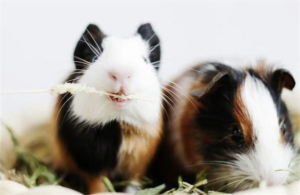
At What Age Can a Guinea Pig Give Birth, and How Many Per Litter
Guinea pigs can breed from about 3 months (around 500 g); a first birth after 7 months raises dystocia risk from pelvic fusion, so breed the first litter before 7 months. Litters are 1-7, born walking and eating within hours, gestation about 68 days, up to 5-6 litters a year. Keep the nest warm (at least 22 C), separate the male after birth, and stay quiet.
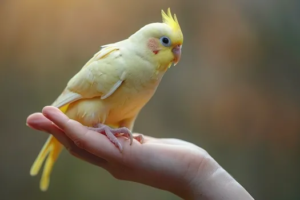
How to Care for a Myna Bird (and Daily Cautions)
A myna is a well-known, beloved bird; once tamed it becomes very clingy, much like a dog. Raise it in a roomy cage with perches and cups, feed chicks myna powder and adults egg-rice with meat and greens, keep the cage clean, and give water baths in summer. Watch temperature swings, prevent colds, and start speech training at 3-4 months.

Chinchilla Mite Infection vs Fungal Infection: How to Tell Them Apart
Both mite and fungal infections cause hair loss and red skin, but mite hair falls in root-level patches with much dandruff and can be fatal, while fungal loss is sparser and not life-threatening short-term. Treat mites with alcohol wipes, mite lotion, medicated dust, and ivermectin if severe; keep the cage dry and clean to prevent both.

How to Feed a Newly Weaned Puppy: Tips and Precautions
Newly weaned puppies need special feeding and care because their bodies and immune systems are fragile. Poor diet or daily management can cause poor development or gut, respiratory and parasite infections. Here are feeding methods and precautions.

Caring for a Chinchilla
Chinchillas are delicate vegetarians that often die from wrong food and heat. Choose a healthy, calm youngster, house it in a plastic-free cage at 8–25°C, feed a hay-based diet, and keep its environment quiet and let it clean itself in dust baths.
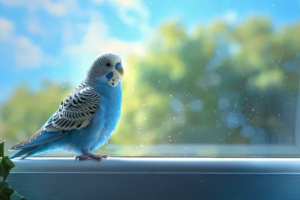
Keeping and Taming Lovebirds (Agapornis)
Lovebirds (Agapornis) are small, pretty, affordable African parrots that cannot mimic human speech clearly but copy other birds and animals well. Keep them in pairs or flocks in a sturdy cage, bathe them weekly in summer and dry in sun, and feed varied seed, millet, oyster shell, and fruit. For chicks, use wood-shaving bedding, keep warmth above 25°C, and build a call signal during feeding so they bond and recognize you.