Search Results
1286 results for “Cat bath”

Blue-fronted Amazon
The Blue-fronted Amazon is one of the more common Amazon parrots, with very bright plumage. Its drawback is a loud call, so it is best kept in a detached house where it will not disturb neighbors. Its diet is varied and easy to manage.

Chestnut-Fronted Macaw
The Chestnut-Fronted Macaw rivals the large macaws in talking ability. It has very beautiful plumage, a medium build, and a featherless face covered with small black spots. It originates from the tropical regions of the Americas.

Blue-headed Macaw
The Blue-headed Macaw is the most expensive of the small parrots, mainly because of its scarcity, low popularity, and obscurity—truly a case of rarity commanding a premium. In captivity it is easily tamed and quite robust, adapts well, and like other macaws loves to chew and is destructive, so regular bathing keeps its plumage healthy. It suits a fairly roomy, flight-capable aviary.

Blue-throated Macaw
The Blue-throated Macaw is a native of the tropical Americas and is very similar to the Blue-and-yellow Macaw, sharing the same curious, playful, and friendly personality. With strikingly beautiful plumage and a very long tail, it is a large climbing parrot with a correspondingly large appetite.

Bluethroat
The Bluethroat (Luscinia svecica), also known as the bluethroated robin, is a small, shy songbird that favors shrubland and reed beds. It darts short distances along the ground and frequently flicks or fans its tail, and its song is especially beautiful.
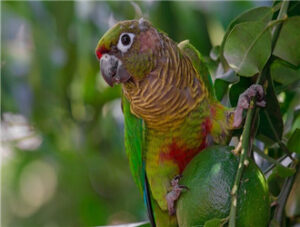
Green-cheeked Conure
The Green-cheeked Conure (Pyrrhura molinae), also called the green-cheeked parakeet, is a typical climbing bird with richly colored plumage. It is mainly distributed in the highlands of eastern Bolivia.

Blue-and-gold Macaw
The Blue-and-gold Macaw (Ara ararauna), also called the Blue-and-gold Macaw, is attractive in both color and size. Native to the tropical Americas, it is the most commonly seen macaw on the market and is gentle and affectionate toward people.

Signs of Aging in Hamsters and Common Senior Diseases
Hamsters begin aging around 15 months and show clear changes: a thinning coat, hunched back, leaner body, and less activity and appetite. Senior hamsters are prone to kidney failure, tumors, dental problems, cataracts, and constipation — conditions that are manageable but generally incurable, so attentive care is essential.
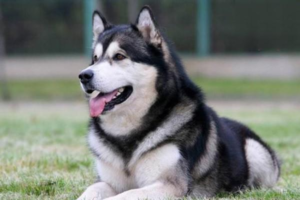
Will a Dog’s Urinary Tract Infection Heal on Its Own
A dog's urinary tract infection usually won't heal on its own and worsens if ignored. Causes include bacterial exposure (urinating in grass, damp fur), a salty/oily diet, holding urine over 12 hours, and poor genital hygiene. Treatment needs a vet: bacterial UTIs use anti-inflammatories like amoxicillin or cefadroxil, with IV fluids and possible stone surgery if needed; poor response may mean antibiotic resistance.

Symptoms and Management of Asthma in Dogs
Dog asthma ranges from a dry cough and gasping to rapid breathing, fever, and a fast heartbeat; a purple tongue means rush to a vet. It can't be cured, only controlled with vet-prescribed medication and a daily yeast tablet, while avoiding smoke, perfumes, and hard exercise. Prevent it with a thinner summer coat, airy clean bedding, regular bathing, a low-salt diet with some pork (vitamin B), and avoiding pollen-heavy walks.