Search Results
5279 results for “Can f 5”
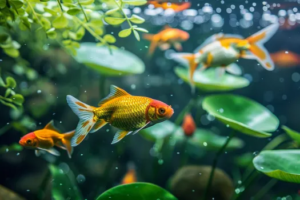
What to Do When Your Goldfish Is Swimming Upside Down
A goldfish floating or swimming upside down is alarming but common, usually caused by poor water quality, overfeeding, low oxygen, cold or fluctuating temperatures, or swim bladder disease. Act quickly to add oxygen and prevent long-term damage from suffocation. Season, temperature, water quality, dissolved oxygen, pH, feeding, and water-change frequency all affect a goldfish's health, so careful husbandry matters. You can relieve mild cases by improving water quality, boosting aeration, and raising the temperature—but if the problem is severe or persists, consult a veterinarian or an aquatic specialist for proper treatment.

What Dog Breeds Are Considered Dangerous or Aggressive?
Dangerous dogs are breeds known for strong aggression, high fighting drive, and difficulty being controlled. Examples include the Tibetan Mastiff, Dogo Argentino, American Pit Bull, Bull Terrier, Saint Bernard, Caucasian Shepherd, Croatian Sheepdog, and more. Because these dogs can threaten people and other animals, they are not recommended for densely populated urban areas, where an out-of-control dog could cause serious injury. Most dogs, however, are deeply loyal to their owners, and dangerous breeds are no exception. Owning one is possible, but only with dedicated, professional training to keep the dog under control. Without the patience and time such training demands, it is best to think carefully before bringing a powerful breed home.

What Breeds Are Used as Guide Dogs?
Selecting a guide dog is a strict process—not every dog qualifies. A good candidate must be calm, highly trainable, neither timid nor hyperactive, and gentle, able to focus without being easily distracted. The most common guide dog breeds are the Labrador Retriever, Golden Retriever, German Shepherd, and Poodle, all known for steady temperaments, loyalty, obedience, and high intelligence. After specialized training they become the eyes and faithful helpers of people who are blind. Guide dogs earn deep respect for the independence they give their handlers; because a guide dog gives its handler dignity and freedom, protecting that partnership is a shared responsibility we should all honor.

What to Do When Your Cat’s Temperature Drops to 37°C
A normal cat temperature sits between 38.5°C and 39.5°C, so a reading of 37°C is below the healthy range and worth taking seriously. The right response depends entirely on the cause. Sometimes it signals a weak or sick cat that needs warmth and a vet; other times it is a normal, expected dip just before labor. Here is how to tell the difference.

Is Feline Herpesvirus the Same as Cat Flu?
Many owners ask whether feline herpesvirus and cat flu are the same thing. The short answer: herpesvirus is the most common cause of cat flu, but cat flu is not limited to it. Calicivirus, chlamydia, mycoplasma and Bordetella can all produce the syndrome, so 'cat flu' is a group of diseases rather than a single virus. This article clarifies the relationship, how each agent spreads, and how to disinfect your home - bleach at 1:32 dilution and 75% ethanol are effective against these pathogens.

What Is Acetaminophen (Tylenol) and Why It Is Dangerous for Dogs
Acetaminophen, sold under brand names such as Tylenol, is a common over-the-counter pain reliever for people. Many dog owners wonder whether it is safe to share a human medicine cabinet with their pet. The short answer is that acetaminophen is not an NSAID, can lower fever and dull pain, but must never be given without veterinary guidance, and is flatly toxic to cats. Understanding how it works and where the real dangers lie helps you avoid a costly and potentially fatal mistake.

How to Safely Break Up a Cat Fight?
Cats that live together may occasionally scuffle, but frequent or violent fights need intervention. The key is to protect yourself first—never use your hands—then redirect their attention or separate them, and address the root causes with fair resources and gradual reintroduction.

How to Tell if Your Cat Is Overweight
Cats prefer protein, then fat, then carbs, and self-regulate when fed naturally, yet easy modern food and too little exercise make them fat, just like us. You can judge by feel and sight, and trim weight with smaller frequent meals, no treats, and play. This guide explains the body-score check and a safe plan.

Emergency Steps When a Pet Eats Something Harmful
Curious pets swallow the strangest things, from needles and socks to toxic plants and people food, and quick action saves lives. For cats, guard thread, needles, and poisonous plants; for dogs, secure small objects and leash up on walks. This guide covers what was eaten and the right first move before rushing to the clinic.

Feeding Your Cat the Scientific Way
Commercial cat foods are formulated to strict nutrition and safety standards, so a quality kibble matched to your cat's life stage is the simplest healthy staple. Human foods like rice, salt, and plain boiled chicken are poor or even harmful substitutes. This guide covers choosing food, using wet food wisely, and the free-feeding approach that suits a cat's graze-and-nibble nature.