Search Results
5279 results for “Can f 5”

What to Do When Your Cat Won’t Drink
Cats naturally drink little, inherited from desert ancestors - but too little causes trouble. Early signs are concentrated, yellow urine; over time come cystitis, bladder stones and kidney stones. Need: about 40-60 ml per kg per day, or roughly 1 ml per calorie eaten. Remember food counts: dry kibble is ~10% water, cans ~80%, so a cat eating 300 g kibble and 100 g can already gets 110 ml from food and needs only ~90 ml more. Boost intake with multiple bowls changed daily, a fountain cats prefer, and weekly wet food - the most direct fix.

How to Care for Your Dog in Autumn
Autumn's cool, dry, changeable weather feels great to us but asks for a few adjustments in dog care. Fatigue from summer, dropping temperatures, and dry air all affect a dog's body, coat, and digestion. A few simple habits around food, grooming, exercise, and disease prevention keep your dog comfortable through the season.

How to Stop a Dog From Eating Its Own Poop
Eating its own stool is a common dog behavior, usually harmless but sometimes a sign of a problem. Causes range from missing nutrients and youth or pregnancy, to lack of training, boredom, or illness such as pancreatitis. To correct it: feed a complete diet with added trace minerals and vitamins, clean up stools promptly, interrupt with a firm 'leave it' and reward stopping, and as a last resort make the stool unpalatable with a safe deterrent. If the habit persists despite these steps, consult a veterinarian to rule out a medical cause. Patience and consistency are what break the cycle.
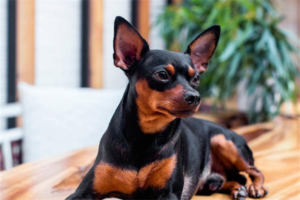
Are Miniature Pinschers Easy to Care For?
The Miniature Pinscher is a lively, smart, gentle, and people-loving dog that experienced owners generally find easy to keep. It adapts well indoors yet still needs daily outdoor exercise to burn energy, or it may get into mischief. Its sensitive skin benefits from regular brushing and bathing, and routine vaccinations and checkups prevent disease. Pros include small size, high intelligence, loyalty, a mild temperament, little odor, and easy adaptability. Cons are a delicate stomach, cold sensitivity, and a loud voice. With a safe home, balanced diet, enough exercise, and regular parasite control and vaccines, a Miniature Pinscher thrives.

When Cat Peeing Around the House Means a Blockage
A cat suddenly urinating in odd places can signal a dangerous urinary blockage. Warning signs: pink or clear urine, frequent attempts, straining, blood, low meowing in the box, over-grooming the genitals, a sensitive belly, and only drops when the bladder is pressed. Blockage means urine output stops - under 1 mg/kg/hr is oliguria, none is a blockage. Causes: urethral or bladder stones (acid urine favors calcium oxalate, alkaline favors struvite), lower urinary tract syndrome (bacterial cystitis, urethral plugs that can kill in 1-2 days, or idiopathic cystitis that self-heals in 7-14 days if not blocked). A full blockage needs immediate vet catheterization - over 24 hours causes acute kidney failure. Prevent with more water, fewer mineral treats like dried fish, clean litter, and less stress.

How to Train Your Dog to Catch Objects Mid-Air
Teaching a dog to snatch a treat out of the air is a fun, bonding trick that builds focus and coordination. The method is gradual: a spoken cue, a slow lob close to the head, and slowly smaller, faster, higher throws until the hind legs leave the ground. Most dogs grasp the basics in a single session with the right pacing.

Why Does My Dog Lick Me?
Dogs lick people for many reasons—affection, hunger, joy, anxiety, or simple habit. As puppies, their mother licks them clean, so licking becomes linked with closeness and love, and a dog may lick you to say 'I like you.' It also gathers information, seeks attention, or appeases you after misbehaving. When stress or anxiety drives constant licking, it can signal discomfort. If you dislike the behavior, train gently without hurting the bond; if licking is excessive, check for underlying worry or illness. Reading the context tells you what your dog is really saying.

What to Do If Your Puppy Overeats
A puppy's digestive system is still immature, so overeating overloads the gut and can cause indigestion, vomiting, or diarrhea. If your puppy has eaten too much, stop feeding at once and let the food settle before offering small amounts again. Gentle exercise, like a short walk, aids digestion, and a light belly massage helps move things along. Pet-specific probiotics can rebalance the gut. Watch for vomiting, diarrhea, or abdominal pain—if these appear, see a veterinarian. Going forward, feed little and often, measure portions, choose quality food, skip human scraps, and keep mealtimes calm to prevent overeating in the first place.

What Are the Signs a Guinea Pig Is Unhappy?
Guinea pigs are sensitive little animals, and unhappiness shows up as reduced appetite, low activity, unusual silence, refusing contact, and frequent teeth grinding or cage chewing. Common causes include lack of social contact, an uncomfortable environment, too little exercise, unmet food or water needs, or underlying illness. If your guinea pig seems down, improve its surroundings, add social time, offer good food, and encourage activity. If that does not help, have a veterinarian check for pain or disease. Learning to read these signals is the key to keeping a guinea pig happy and healthy.
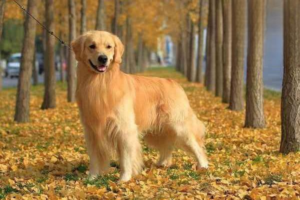
What to Do When Your Golden Retriever Has Arthritis
In damp or cold weather, a Golden Retriever with arthritis may whine when joints ache, shy away if the sore spot is touched, and lick or chew at the painful joint. Arthritis is common in large breeds like Goldens, but it can be managed. Weight control, gentle movement, and the right joint support make daily life easier.