Search Results
5283 results for “Can f 5”
How to Keep Rabbits Cool in Summer
Rabbits do best at 15–20°C and can die of heatstroke above that. In summer, keep water bowls/bottles filled, clip long-haired breeds short (not shaved), move cages to a breezy shady spot, dab the ears with water to cool them, and offer watery fruit and vegetables in moderation. Never aim a fan or AC directly at a rabbit — it causes colds, not cooling.

How to Wean Kits (Baby Rabbits)
Wean kits to let the doe recover and the young adapt: breeding/Angora/Rex at 30–40 days, meat rabbits at 28–35 days, or before 28 days under intensive 'blood mating'. Use one-time weaning for uniform litters and staged weaning for uneven ones, cut the doe's concentrates first to prevent mastitis, and keep kits in their original hutch 3–5 days post-weaning to reduce stress and losses.

What Season Is Best for Breeding Rabbits
Spring and autumn are the best breeding seasons — warm, dry, and bright, with high conception and kit-survival rates. Avoid breeding above 30°C in summer or without heating in winter. Choose quality stock, feed a balanced diet with carrots pre-breeding, give exercise and light, and time mating to bright-red vulva estrus using repeat mating.

How Environmental Factors Affect Meat Rabbit Fattening
A dim, quiet environment helps fatten meat rabbits: it suppresses sexual development, raises feed efficiency, calms the animals, and speeds weight gain — trials show rabbits in darker cages weigh 250–350 g more after six months. Because they get little sunlight, keep cages clean, disinfect often, and feed a complete diet rich in vitamins and minerals.

Precautions for Group-Fattening Meat Rabbits
Group-fattening meat rabbits saves labor and improves finishing, but only if you manage stocking density, separate sexes and group by condition, keep littermates together, run an all-in/all-out system, and maintain strict hygiene, disinfection, quiet, and temperature control. These measures raise survival and finishing rates.

How to Raise Meat Rabbits Efficiently
Efficient meat-rabbit farming comes down to five things: choose high-quality breeding stock, manage them well to reach their full production potential, improve feed conversion to cut costs, keep the rabbitry disease-free, and adjust your scale to market demand. Strong breeding selection and good husbandry are the biggest levers on profit.

Daily Management of a Goldfish Aquarium
Even with an automated tank, daily goldfish management matters—watch activity and respond to environment and health changes. This guide covers tank placement, setup, stocking density, feeding and water changes.
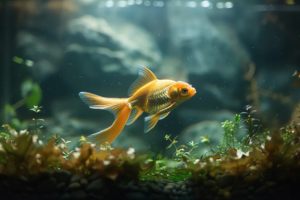
Goldfish Feeding Habits Across Life Stages
Goldfish feeding changes through three stages—larva, juvenile and adult. Matching diet to each stage's needs, keeping protein adequate and water warm (20–28°C) keeps fish healthy and colorful.

How Long Do Holland Lop Rabbits Live? (And How to Care for Them)
Holland Lops are loved for their small size and cute looks, but they live shorter than average rabbits—usually 5–7 years. Good care (free roam, proper diet, health checks, clean housing) can extend that toward 10–12 years.

How to Care for Premature Puppies
Premature puppies are weak with low resistance and need careful, round-the-clock care to survive. This guide covers their health risks and the two pillars of care—proper feeding and warmth.