Search Results
5283 results for “Can f 5”

Is It Necessary to Bathe a Hamster
Normally you don't need to bathe a hamster — they self-clean with dust bath sand and can die from water baths. Bathe only when fur is contaminated with toxins or sticky matter. The step-by-step method uses near-room-temperature water, unscented pet shampoo, gentle wiping away from the face, and a warm, dry recovery.

How Long Do Hamsters Live and What Are the Signs of Dying
A hamster's average lifespan is about two years (Roborovski up to 3–3.5), shaped by breed, genetics, diet, housing, and health. Lifespan factors include solitary housing and prompt treatment of illness. Before death a hamster shows a hunched back, rapid weight loss, and severe hair loss — prepare yourself and care for them gently.

Common Causes of Hair Loss in Hamsters
Hamster hair loss has many causes beyond normal shedding: old age, low dietary protein, skin friction in the cage, seasonal molting, over-grooming, pregnancy, and hormonal imbalance (including male-pattern baldness from excess testosterone). Identifying the cause lets owners apply the right fix.

How Often to Feed Turtles in Summer
In hot summer a turtle's metabolism speeds up and its appetite grows, so you can feed a bit more to build reserves. Hatchlings under 5 cm should be fed daily, larger turtles every other day, and feeding should avoid the strong midday sun. Good summer care also means shade plants, checking food for spoilage, balanced nutrition, and frequent water changes to prevent shell rot.

Signs of Aging in Hamsters and Common Senior Diseases
Hamsters begin aging around 15 months and show clear changes: a thinning coat, hunched back, leaner body, and less activity and appetite. Senior hamsters are prone to kidney failure, tumors, dental problems, cataracts, and constipation — conditions that are manageable but generally incurable, so attentive care is essential.

Common Mistakes in Hamster Care
Common hamster care mistakes: housing hamsters together (they're solitary and will fight or over-breed), putting them in direct sun (heatstroke), bathing them (risky — use bath sand), feeding human food (additives overload them), giving untreated tap water (chlorine poison — boil and cool), using newspaper as bedding (inky, poor), and giving too little space. Read on to raise yours safely.
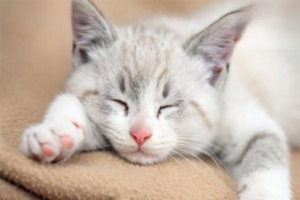
How to Prevent Heatstroke in Cats in Summer
Cats have no sweat glands and cool only through paws and muzzle, so they overheat fast — heatstroke brings panting, rapid breathing, and can be fatal. In an emergency move the cat to shade, cool it with damp towels and alcohol on paw pads and armpits, and see a vet if needed. Prevent it with a cool airy home, plenty of water, AC around 25°C, trimmed paw fur, and never shave the coat, which protects against water loss, injury, and sunburn.

Symptoms and Management of Asthma in Dogs
Dog asthma ranges from a dry cough and gasping to rapid breathing, fever, and a fast heartbeat; a purple tongue means rush to a vet. It can't be cured, only controlled with vet-prescribed medication and a daily yeast tablet, while avoiding smoke, perfumes, and hard exercise. Prevent it with a thinner summer coat, airy clean bedding, regular bathing, a low-salt diet with some pork (vitamin B), and avoiding pollen-heavy walks.

Why a Golden Arowana Bubbles at the Water Surface, and What to Do
A golden arowana blowing bubbles at the surface usually means low tank oxygen, poor water quality or wrong temperature, or simple indigestion. Fix low oxygen with a one-third water change and an air pump; keep temperature near 25°C and pH 6.5–7.0; for indigestion, fast the fish three days then feed easy foods like plants or cooked millet.

What Are a Rabbit’s Living Habits and Traits
Rabbits are timid, nocturnal, dry-loving, solitary chewers that eat only plants. They rest by day and eat 70%+ of their food at night, cool mainly by breathing so they need dry 14–20°C housing, fight if caged together, gnaw constantly to wear down open-rooted incisors, and must never be fed meat. A common myth is that they need no water — they do, in moderation.