Search Results
479 results for “Calm environment”

Sulawesi Forest Turtle
The Sulawesi forest turtle is the sole member of its genus, a gentle, semi-aquatic turtle found only in limited areas of northern Sulawesi, Indonesia. Modest in size and undemanding in diet, it remains rare and difficult to obtain in the pet trade.
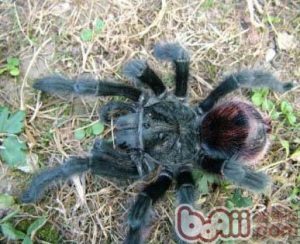
The Entre Rios Tarantula
The Entre Rios Tarantula (Grammostola iheringi) is a large, strikingly colored pet tarantula from southern Brazil and the Rio Grande do Sul region, noted for its calm temperament. Its dark green-to-black body contrasted with a vivid red abdomen makes it one of the most coveted species among hobbyists, though export restrictions keep it rare and pricey.

Takydromus wolteri
The mountain grass lizard (Takydromus wolteri) is a grass lizard very widely distributed across northern China. A small, slender, burrowing lizard, it is kept by both researchers and hobbyists and does well on a sand substrate with 12-14 hours of daylight.
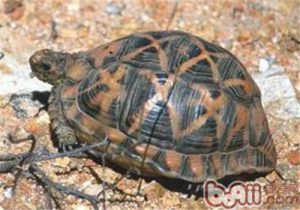
Tent Tortoise
The Tent Tortoise (Psammobates tentorius), also called the tent star tortoise, is a small, heat- and drought-tolerant tortoise that prefers plant food. Keeping it is fairly demanding, though a few individuals can be found in the pet trade.
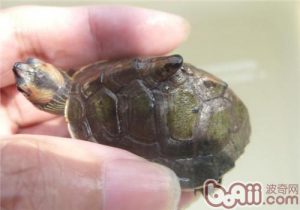
Indian Roofed Turtle
The Indian Roofed Turtle (Kachuga tecta) is one of the more common roofed turtles, recognizable by the distinctive raised black keel on its shell. Native to the rivers of the Indian subcontinent, it is a timid aquatic turtle that can enter hibernation.

Chilean Rose Tarantula
A docile, attractive beginner tarantula from Chile - note this is an arachnid, not a reptile, but shares the terrarium hobby.

Exotic Shorthair
The Exotic Shorthair — everyone's "Garfield cat" — pairs the Persian's plush look with a short, easy-care coat. Sweet, calm, and affectionate, it's one of the most laid-back cat breeds to live with.

Banded Krait
A strikingly banded, highly venomous elapid of southern China and Southeast Asia - beautiful but dangerous; not a pet and a poor choice for novices.

Canine and Feline Brain Tumors
Brain tumors in dogs and cats are most often meningeal or glial tumors that appear in middle-aged to older pets, with some breeds such as Boxers and Bulldogs overrepresented. They compress brain tissue and cause gradually worsening neurological signs including behavior changes, circling, head tilt, blindness, and seizures.

Optic Neuritis in Dogs and Cats
Optic neuritis is an inflammatory condition of the optic nerve that can cause sudden, often bilateral blindness in dogs and cats. The underlying cause is frequently unknown but may follow ocular trauma or infection, and prompt veterinary care is needed to protect vision.