The Entre Rios Tarantula
2 Photo Gallery
View All 8 Photos

1 Overview
The Entre Rios Tarantula, with the scientific name Grammostola iheringi, is mainly distributed in southern Brazil and the Rio Grande do Sul river basin.
Habitat type: rainforest terrestrial
Diet: insects and small mammals
Adult size: 20–25 cm
Growth rate: average
Ideal temperature: 22–26°C
Ideal humidity: 65–75%
Temperament: somewhat aggressive
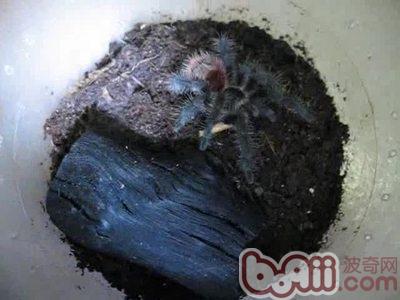
Husbandry: needs a water dish and hiding places
2 Physical Characteristics
The Entre Rios Tarantula is one of the most beloved species among pet tarantula enthusiasts, enjoying great popularity. This is because it has a very gentle temperament and almost no aggression. It is also very large, with adults reaching a maximum leg span of about 25 cm.
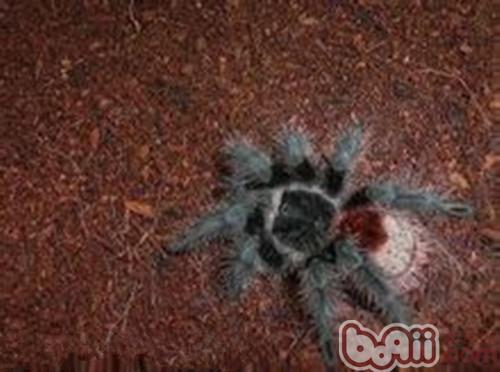
The Entre Rios Tarantula’s distinctive near-black deep green overall coloration paired with a bright red abdomen makes for a dazzling large spider; it is the largest species in the genus Grammostola. Adults reach a leg span of 20–22 cm. In the pet tarantula market they are truly rare, because source-country protection makes any legal export impossible, combined with the difficulty of captive breeding and low output, keeping their price consistently high.
3 Care Guidelines
Because of its gentle temperament and near-total lack of aggression, the Entre Rios Tarantula is sought after by many keepers and is a species recommended to beginners with no prior experience. What should you watch for when keeping this tarantula?
First, always provide a water dish to maintain humidity and ensure the spider’s drinking water. Although gentle, it still needs a hiding place. In the pet tarantula market they are truly rare, because source-country protection makes any legal export impossible, combined with the difficulty of captive breeding and low output, keeping their price consistently high. They also live very long; records indicate a male collected in the wild that was already 6 years post-maturity.
4 Natural Habitat
The Entre Rios Tarantula is native to the tropical rainforests of southern Brazil, so pay special attention to its environment when keeping it; it is a rainforest terrestrial species. Because it grows very large, ensure the enclosure is large enough.
The ideal temperature is 25–27°C with humidity around 75%; slightly moist peat, coconut fiber, or clay is recommended as substrate. Even tiny spiderlings already show this vivid coloration—more deep blue when young, gradually turning dark green to black with each molt. What never changes is the bright red abdomen. Provide a water bowl and a hiding place when keeping them.
5 Feeding Requirements
The Entre Rios Tarantula feeds mainly on insects and small mammals. In the enclosure, prepare a small water dish to ensure drinking water and ambient humidity.
In the pet tarantula market, the Entre Rios Tarantula is truly rare, because source-country protection makes any legal export impossible, combined with difficult captive breeding and low output, keeping its price consistently high. It also lives very long; records indicate a wild-collected male that was already 6 years post-maturity.