Search Results
234 results for “Breeding control”

Black-capped Lory
The Black-capped Lory is a very beautiful bird whose plumage is varied and vivid, which is why it is loved by many. Its most obvious and well-known feature is its black crown, as if wearing a black cap. Unlike some other parrots that eat plant seeds, the Black-capped Lory feeds mainly on nectar, pollen, and fruit.
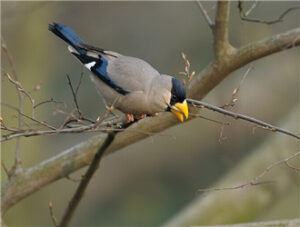
Hawfinch
The Hawfinch (Coccothraustes coccothraustes) is one of China's most popular pet birds and has great ornamental value. A medium-sized bird, the adult is about 19 cm long, and both sexes look adorably chubby and lovable.
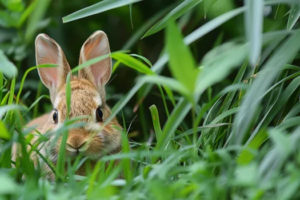
How to Use Medication for Rabbit Health Care
A sound rabbit health program relies on timely medication: anticoccidials in feed for kits, a structured vaccination schedule against VHD, pasteurellosis, Clostridia and Bordetella, routine ivermectin for mange, and antibiotics in hot humid seasons. Consistent prevention is far cheaper than treating outbreaks.

How to Care for Different Types of Huskies
Huskies need different care at each life stage — breeding males, nursing mothers, unweaned and weaned puppies, and seniors all have their own needs. Here is how to handle each.

What Beginners Should Know About Keeping Rabbits
Don't start with too many rabbits; build experience first, then grow the herd. Here are the main points beginners should watch when keeping rabbits.

How Chinchillas Mate and Reproduce
Chinchillas can be paired from 8 months and 500 g; males mature at 4-6 months but females should not be bred early. After a brief evening mating a copulatory plug appears within 1-2 hours, and the pair must be separated to protect the 111-day pregnancy. Litters are 2-3 kits; watch for rejected kits when more are born than the two productive teats can feed.

Rabbit Stress: Causes, Signs, and How to Avoid It
Rabbits are timid and sharp-eared, so strong or repeated shocks can stress them severely, even fatally. Causes include changed water or feed, weather, noise, light, moves, and strangers; signs are raised pulse and breathing, restlessness or hiding, refusing food, and does crushing or rejecting kits. Avoid stress with steady routines, fixed light, temperature control, quiet, and gradual feed changes.

Preventing and Treating Rabbit Pasteurellosis
Pasteurella multocida lives quietly in the nasal and tonsillar tissue of many healthy rabbits and strikes only when stress or poor husbandry lowers resistance, spreading through secretions and contaminated feed or water. Control it with strict sanitation, regular vaccination, and prompt antibiotic or antiserum treatment.

Why Do Goldfish Lose Buoyancy (Swim Bladder)?
Lost buoyancy (swim bladder disorder) is a common goldfish disease many owners meet. Signs include the fish lying on its side or upside down, floating at the surface or sinking to the bottom. This article focuses on the common causes of swim bladder loss in goldfish.

How to Prevent Swim Bladder Disease in Ornamental Fish
Swim bladder disease is common in ornamental fish; prevent it by controlling temperature and water quality. Many cases follow water changes with big temperature gaps — keep new and old water within about 2°C. If a fish loses buoyancy, isolate it in shallow water with a little salt, feed less, and if needed add a buoyancy aid.