Search Results
234 results for “Breeding control”

How to Improve a Buck Rabbit’s Breeding Performance
Improving a buck's breeding performance starts with selection — strong libido, even testicles, stable three-generation genetics, and no cryptorchidism — plus controlled mating (2–3/day with rest days) and a balanced, protein-rich ration raised before breeding. Avoid inbreeding, keep the herd mainly 1–3 years old, and watch temperature: over 30 °C or under 5 °C tanks fertility.

Pet Obesity: Causes, Risks, and Weight Control
Obesity means body weight roughly 30% over normal with excess fat, and it invites heart disease, arthritis, and diabetes while shortening life. Causes range from breed and hormones to overfeeding and too little exercise; the fix is less food, more movement, fewer treats, and balanced meals.

At What Age Should Dogs Stop Breeding?
Most veterinarians advise retiring a female dog from breeding around age 6, since fertility and fitness decline with age and the risk of difficult labor rises — small breeds may go longer, large breeds reach their limit sooner. Males have no hard cutoff but their fertility and drive fall with age, so pacing matings protects both body and mind; always plan with a vet, because too-frequent breeding raises the bitch's risk of pyometra and miscarriage.

What Makes Autumn Rabbit Breeding Hard
Autumn breeding is toughest in early fall, when summer heat has suppressed buck sperm (which then needs 50–60 days to mature again) — so aim for October–November. Success also hinges on managing molt, weight, light, nutrition, and disease.
How to Control Ear Mites in Cats During Winter
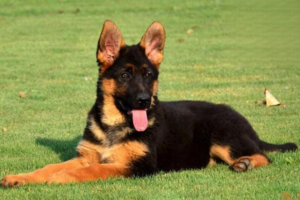
Cat and dog ear canals are closed L shapes; in winter they are warm and damp - a breeding ground for mites. Many owners skip winter ear care. How to confirm and gently remove ear mites without hurting the fragile canal - read on.

Productive Lifespan of Breeding Rabbits
A breeding rabbit's best years are the first one to two, with productivity then falling 15 to 20 percent a year, so renew stock every 2 to 3 years. Give breeders a clean, dry, well-ventilated hutch, breed in spring and autumn, cool them in summer, and keep them warm below 5°C.

Things to Note for Autumn Rabbit Breeding
Autumn is a high-fertility season for rabbits, so prepare early: mate does below 25°C at cool times and in mid-to-late heat, keep first mating at 5–6 months by size, use prime adults, limit bucks to about one mating a day, hold condition and nutrition steady, and use teasers or an estrus powder for does that will not cycle.
How to Manage a Breeding Buck Rabbit
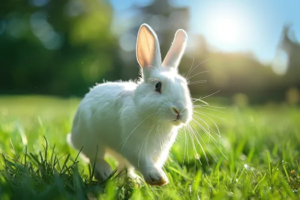
A breeding buck must be purebred, healthy, and produce high-quality semen, which requires complete nutrition, proper body condition (about 70 to 80 percent fill), and rational use, roughly a 1:8 to 10 buck-to-doe ratio with limited daily matings. House bucks singly, mate in the buck's cage, and check reproductive health before each pairing.
Breeding Taboos for Rabbits
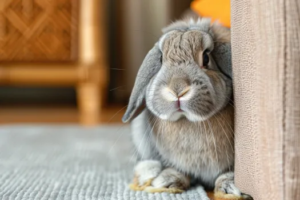
Good breeding is key to profitable rabbit farming, yet some owners breed does back-to-back regardless of health, leading to many kits but poor survival. Avoid close inbreeding, mating too early, over-mating, summer breeding, early or late weaning, mixed-group housing, and poor management to keep reproduction rates and kit health high.

How to Choose and Introduce New Rabbit Breeding Stock
Choosing rabbit breeding stock means matching the breed to local conditions and market demand, sourcing from reputable farms rather than resellers, and preferring autumn transport with climate-matched animals. Pick healthy, high-yield stock and avoid old, sick, or weaned rabbits on long trips.