Search Results
121 results for “Breeding, Reproduction”
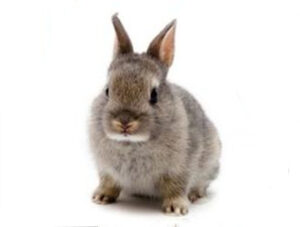
Dwarf Rabbit
The Dwarf Rabbit is a classic pet rabbit breed with a very small, adorable body that never grows large—its defining trait. Purebreds are expensive and rare, so beware of sellers passing off ordinary baby rabbits as Dwarf Rabbits; a true Dwarf Rabbit stays tiny for life.

Beveren Rabbit
The Beveren Rabbit is a relatively small pet rabbit breed with fairly unremarkable features, so it is not widely bred and purebreds are hard to find. Recognized by its 'V'-shaped upright ears and 1–2 inch coat, it makes a gentle companion for rabbit lovers willing to look beyond the more common breeds.

Palomino Rabbit
The Palomino Rabbit is a large rabbit breed developed in Washington State, originally for meat but kept as a pet for its beautiful coat. Lazy and gentle, it has a strong appetite and needs a spacious cage, a ball-point water bottle, a chew stone, and unlimited hay.

Peruvian Satin Guinea Pig
The Peruvian Satin guinea pig differs from other guinea pigs mainly in its coat, which grows toward the head and covers it, with a satin-like sheen. Its habits and diet are much like ordinary guinea pigs, but it is more delicate and prone to disease, so it is kept mainly as an ornamental pet.

Flemish Giant
The Flemish Giant is the largest pet rabbit breed in existence today, originally from Belgium and later developed through breeding programs in the United States. Though a giant by rabbit standards, it is kept as a gentle family companion, but its large size and hearty appetite make it best suited to owners with plenty of space.
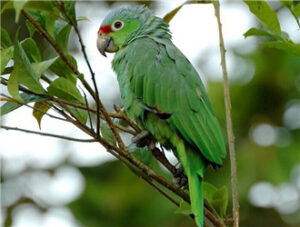
Red-fronted Parakeet
The Red-fronted Parakeet (Red-fronted Parakeet) has colorful, brilliant plumage. It is a typical perching bird, usually active in pairs or small flocks in the wild, mainly distributed across New Zealand and several nearby small islands.

Chinchilla laniger
The Chinchilla laniger (Chinchilla laniger) is native to the Andes Mountains of South America, where it lives in caves and rock crevices at about 1,600 m elevation. Its appearance resembles that of a rabbit and a squirrel. A special feature is its pair of large, bright, ruby-red eyes, which are beautiful.

Serinus canaria
The Canary (Serinus canaria) is prized for its beautiful, varied plumage and sweet, melodious song, and is regarded in China as one of the most elegant cage birds. Wild canaries differ noticeably in color from captive-bred ones.

How Environmental Factors Affect Meat Rabbit Fattening
A dim, quiet environment helps fatten meat rabbits: it suppresses sexual development, raises feed efficiency, calms the animals, and speeds weight gain — trials show rabbits in darker cages weigh 250–350 g more after six months. Because they get little sunlight, keep cages clean, disinfect often, and feed a complete diet rich in vitamins and minerals.

How to Raise Meat Rabbits Efficiently
Efficient meat-rabbit farming comes down to five things: choose high-quality breeding stock, manage them well to reach their full production potential, improve feed conversion to cut costs, keep the rabbitry disease-free, and adjust your scale to market demand. Strong breeding selection and good husbandry are the biggest levers on profit.