Search Results
121 results for “Breeding, Reproduction”

Why Does Nutritional Imbalance Lower a Doe’s Breeding Rate?
A doe's low breeding rate comes from three imbalances: too little feed (thin doe, weak endocrine, thin uterine lining, low conception, embryo loss), too much feed (fat doe, fatty oviduct, blocked egg and sperm meeting), and unbalanced feed — especially low protein under 15% and shortages of vitamins A, D, E, and B1, which impair reproduction and can cause abortion or stillbirth.
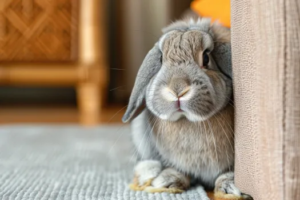
Breeding Taboos for Rabbits
Good breeding is key to profitable rabbit farming, yet some owners breed does back-to-back regardless of health, leading to many kits but poor survival. Avoid close inbreeding, mating too early, over-mating, summer breeding, early or late weaning, mixed-group housing, and poor management to keep reproduction rates and kit health high.

How to Select Quality Breeding Rabbits
A breeding rabbit's quality strongly affects its offspring, so check both bucks and does carefully when buying in. Here is how to choose.

Key Points for Managing Breeding Buck Rabbits
Breeding bucks need stricter management, because herd reproduction and quality depend on buck quality. Below are some management points we offer to help rabbit farmers.

Which Rabbits Should Not Be Selected as Breeding Stock?
Rabbit farmers place great importance on breeding-stock development, especially large-scale operations, because only high-quality breeding stock can raise a herd's reproduction rate and economic returns. Selecting excellent young rabbits as replacement breeders is key to maintaining both quality and numbers. So how should you select replacement breeding rabbits? We hope the following advice helps.
What are the characteristics of hamster reproduction?
Hamsters reproduce very quickly, producing many offspring in a short time. They can breed from 2–3 months of age, with a cycle of about one month and 4–10 pups per litter. Females can remate right after giving birth, producing multiple litters a year, but overbreeding shortens the mother's life, so breed responsibly.
What happens if a female cat keeps breeding?
Continuous litters burden the mother's body, draining energy and nutrients so she cannot recover, lowering immunity and raising risks of mastitis and uterine infection. It also lowers reproduction quality, with kittens prone to genetic problems, and hormonal changes can make her aggressive.
How long does hamster reproduction take?
A hamster's breeding cycle is about 1 month. They mature at around 2 months and can breed year-round, with pregnancy lasting 15 to 22 days.

What Season Is Best for Breeding Rabbits
Spring and autumn are the best breeding seasons — warm, dry, and bright, with high conception and kit-survival rates. Avoid breeding above 30°C in summer or without heating in winter. Choose quality stock, feed a balanced diet with carrots pre-breeding, give exercise and light, and time mating to bright-red vulva estrus using repeat mating.

Rabbit Breeding Characteristics
Rabbits are extremely fertile but have no regular estrous cycle — they are induced ovulators that release eggs only after mating or drug stimulation, 10–12 hours later. They have two separate uteri (allowing double pregnancies), mate most successfully around dawn and dusk, and suffer summer infertility, especially males. Pseudopregnancy is common and prevented by re-mating.