Vipera ruselli siamensis
2 Photo Gallery
View All 9 Photos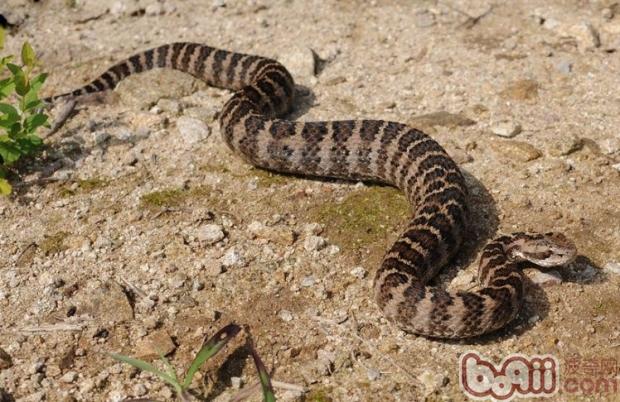
1 Overview
The white-browed pit viper (Vipera ruselli siamensis).
The white-browed pit viper (Vipera ruselli siamensis) is distributed in Fujian, Guangdong, and Guangxi in China, and abroad in India, Pakistan, Myanmar, and Thailand.
Kingdom: Animalia
Phylum: Chordata
Subphylum: Vertebrata
Class: Reptilia
Order: Squamata
Family: Viperidae
Genus: Vipera
Species: White-browed pit viper
2 Physical Characteristics
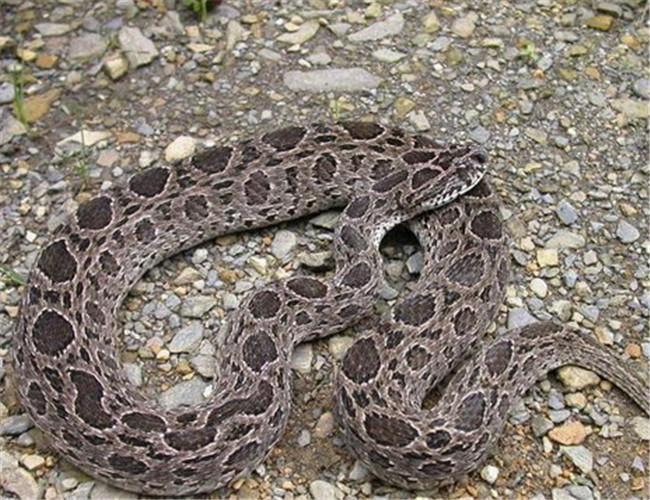
The white-browed pit viper (Vipera ruselli siamensis).
The white-browed pit viper generally reaches 1 m in length and weighs up to 1.5 kg. It favors plains, hills, and mountains, mainly inhabiting open fields and rarely dense forest; in summer it is active in hilly areas and rests in cool, ventilated shade when hot.
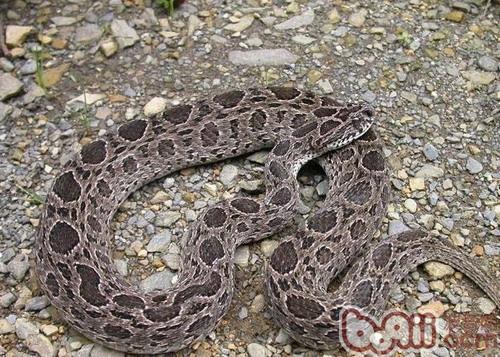
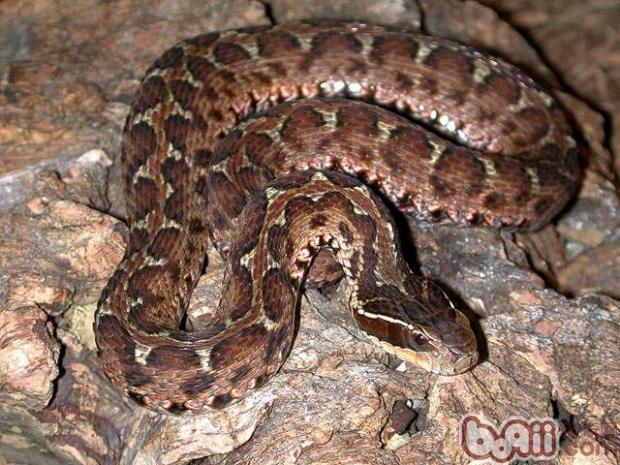
The white-browed pit viper has a relatively large head clearly distinct from the neck, with a short, broad, rounded snout. Small keeled scales cover the top of the head; the nostrils are large, set at the tip of the snout. The dorsal body is brown-gray with three longitudinal rows of large round spots, each spot centered purple or dark brown, ringed with black, and with irregular dark-brown markings on the outermost edge. The belly is gray-white with coarse, large dark-brown blotches.
3 Care Guidelines
The white-browed pit viper (Vipera ruselli siamensis).
The venom of the white-browed pit viper can be refined into biochemical preparations to treat cerebral thrombosis, so if you wish to keep one, be careful, it is highly venomous, so avoid being bitten.
1. The white-browed pit viper is the easiest snake to keep; ignoring its venom, its husbandry difficulty is the lowest of all pet snakes. It tolerates temperatures from as low as 10 deg C to as high as 30 deg C, meaning even in the northeast of China you can go a year without heating. Humidity can range from 30% to 70% with no problem. Even in an unventilated plastic box it survives longer on the small amount of air inside than other snakes.
2. Feeding: offer live food in the evening; after two weeks of settling in at home, start with pinky mice.
3. For keeping the Snake Island pit viper, you may refer to the green pit viper’s method; feeding is easier, just drop in a live bird.
4. The white-browed pit viper moves very fast and is highly venomous; keepers should not handle it, and if bitten, treat the wound promptly and call emergency services (120).
4 Care Guidelines
The white-browed pit viper (Vipera ruselli siamensis).
The white-browed pit viper is relatively easy to keep, but being venomous, caution is needed and a bite requires prompt medical care. Note the following environmental points.
1. Enclosure: a storage box or a well-sealed small terrarium.
2. Substrate: wood blocks, coco fiber, or wood shavings all work.
3. Equipment: hiding spot, water dish, decorative plants, vines, and leaves.
5 Feeding Requirements
The white-browed pit viper (Vipera ruselli siamensis).
Because its venom has medicinal value, it is worth farming; some enthusiasts also keep it as a pet. A reminder: its venom is significant, so avoid handling to prevent bites, and seek medical care if bitten.
The white-browed pit viper eats rats, frogs, birds, and quail eggs, anything goes. Feeding: offer live food in the evening; after two weeks of settling in, start with pinky mice.