Splash Tetra
2 Photo Gallery
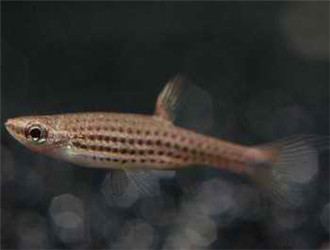

1 Splash Tetra Overview
The Splash Tetra is a characin. Unlike others of its family that eat their own eggs, it protects them in a special way. Also called the Four-lined splashing tetra or black silver onion, it reaches 6–8 cm and is native to the Amazon basin.
Chinese name: Splash Tetra
Binomial: Copella eigenmanni (Regan, 1912)
Family: Characidae
Origin: Guyana
2 Appearance
The Splash Tetra is native to the Amazon basin, also called the Four-lined splashing tetra or black silver onion. Because it protects its eggs and is gentle and easy to keep, it is loved by many. What is distinctive about its appearance?
The Splash Tetra has an elongate body; over the black spots on the flanks are regular rows of red spots. It reaches 6–8 cm. The fish is not beautiful, but its strange spawning habit makes it popular. The male’s dorsal, anal and caudal fins are longer than the female’s, and the body is a size larger, making sexing easy.
3 Habitat
The Splash Tetra’s special trait is that it protects its eggs. Characins eat their own eggs, but the Splash Tetra protects them in a special way, which is beloved; thus it is kept often.
When spawning, the pair jumps out of the water and lays eggs on rocks or plants on the bank beyond the fish’s reach—an amazing habit. Ideal temperature 24–26°C, preferring neutral to weakly acidic water; gentle temperament, but the tank must be covered to prevent jumping out.
4 Feeding
When keeping the Splash Tetra, always cover the tank. Though gentle, it likes to jump; a cover prevents escape. It likes live food; keep nutrition balanced.
The eggs are wrapped in a gelatinous substance, 100–300 per spawn, hatching in about 3 days. During hatching the male guards nearby, often splashing water on the eggs with his caudal fin to keep them from drying—hence the name ‘Splash Tetra’. When fry hatch, the gelatin membrane dissolves and the fry fall into the water and start swimming; for the first 3–4 days feed rotifers, then switch to daphnia.