Search Results
228 results for “winter white”

Cockatiel: Habits and Breeding Performance
The cockatiel is a quiet, musical parrot that is hardy, disease-resistant and easy to keep, but needs a metal cage (it chews wood) and a varied diet. Its breeding season runs August to December, with 4–7 white eggs incubated about 18–20 days, and it can raise 3–4 clutches a year. Stop breeding in hot July–August and in old age, and keep the environment quiet and warm during incubation.

Long-Haired Curly Guinea Pig
The Long-Haired Curly Guinea Pig, also known as the long-curly-haired cavy, is a rare and distinctive guinea pig variety native to Peru and Brazil. With its unique curly long coat and gentle nature, it makes a beloved small pet, though its coat requires regular grooming to prevent matting.
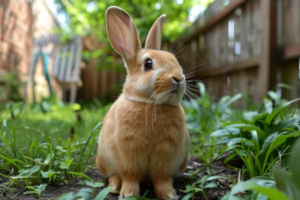
How to Feed a Panda Rabbit, and What to Watch For
The panda rabbit, also called the Dutch rabbit or Dodge rabbit, has white fur with built-in 'dark eye patches', earning the panda nickname and growing popular in China. But raising one is not as simple as it seems; diet needs special care. Here is how to feed a panda rabbit and what to note.

Are Polish Rabbits Easy to Care For?
Polish rabbits are gentle, adaptable, and relatively low-maintenance. They need quality hay, fresh vegetables, a warm and dry enclosure with room to move, and regular cleaning to stay healthy.

Why Do Some Cats Get Less Cute as They Grow?
A cat's looks can change with genetics, normal growth, illness, poor nutrition, stress, or age. Some breeds — tuxedo, white, Siamese, orange tabby, and Sphynx — are especially prone to 'growing out' of their kitten cuteness, but good care and prompt vet visits protect both health and looks.
Meet the Siamese Cat: A 3-Minute Guide
The Siamese is an ancient palace cat from 14th-century Thailand (then Siam), weighing 8–14 lb for males and 6–10 lb for females, with pointed colors like seal, blue, lilac, chocolate, red, and cream. Its signature trait is temperature-sensitive fur: tyrosinase works faster when cold, so winter deepens the coat and age darkens it. Siamese are dog-like — clingy, energetic, curious, and talkative — and adapt well, making them a good choice for first-time owners.
How often does a female hamster go into estrus?
Female hamsters cycle every three to five days from about two months of age, showing genital swelling and acceptance of males. Separate the sexes unless breeding is intended, as they cycle more in summer.
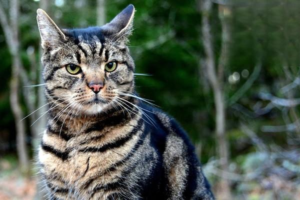
Why Does a Siamese Cat’s Fur Turn Black?
A Siamese cat's coat darkens for a reason that has nothing to do with sunlight: it is driven by temperature. These cats carry a variant of the TYR gene that limits production of the enzyme tyrosinase, which only works properly in cooler areas of the body. As the weather turns cold, the points, face, and ears grow darker, sometimes leaving a near-black 'mask.' The change is largely genetic and cannot be reversed, but keeping the cat warm and limiting iron-rich foods such as liver can slow the process. This article explains the science and what owners can realistically do.

Why a Dog’s Nose Changes Color
A healthy dog's nose is usually cool and moist, and a warm, dry nose alone doesn't prove illness—waking, hard exercise, heat/cold exposure, or old age do the same. Real fading comes from: age (pink as a pup darkens, then lightens in seniors as tyrosinase and melanin drop); illness or heat (returns after); season—'snow nose' in winter, returning with warmth; trauma (pink while healing); poor nutrition (low melanin); genetics/Dudley nose (permanent, harmless); allergy (contact dermatitis from plastics/metal—use glass/stainless); bacteria (swelling, crusts—vet); and vitiligo (immune, white patches, harmless). Protect a pink nose from sun; see a vet for bloody, foul discharge with weakness.

How to Treat and Prevent Water Mold Disease in Turtles
Water mold disease (saprolegniasis), caused by Saprolegnia and Achlya fungi, is a common illness in aquatic turtles that usually strikes during overwintering and spring. Infected turtles may lose appetite, grow weak, and develop gray-white patches and fuzzy white growths on the skin; severe cases lead to emaciation, swelling, skin ulcers, and even death from exhaustion. Because the fungus is widespread in water and hard to eliminate, prevention focuses on keeping the turtle injury-free, maintaining water temperature around 28–30°C, and providing regular sunlight. If infection occurs, dry-docking the turtle with short daily soaking, applying povidone-iodine for disinfection, and using a pet-safe antibacterial ointment on affected areas can aid recovery.