Search Results
228 results for “winter white”
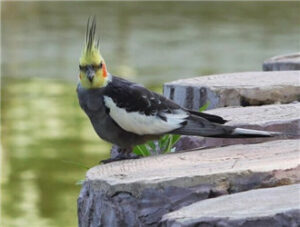
Cockatiel
The Cockatiel (Cockatiel) goes by different names in different regions; in Hong Kong and Taiwan it is often called the Crested Parrot. The Cockatiel is one of the most common medium-sized parrots in the world. Hand-reared young birds are very lively and love to bond with their owners.

Serinus canaria
The Canary (Serinus canaria) is prized for its beautiful, varied plumage and sweet, melodious song, and is regarded in China as one of the most elegant cage birds. Wild canaries differ noticeably in color from captive-bred ones.

Scaly-headed Parrot
The Scaly-headed Parrot (also known as Maximilian's parrot) currently has four subspecies. It is the most intelligent and most talented talker among the Pionus genus of parrots. It is mainly distributed across Argentina, Bolivia, Brazil, and Paraguay.
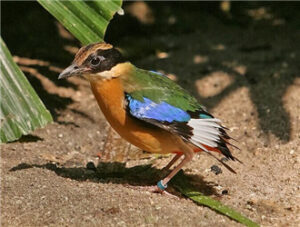
Blue-winged Pitta
The Blue-winged Pitta (Pitta brachyura) gets its name from the eight vivid colors on its body—red, green, blue, white, black, yellow, brown, and chestnut—making it a highly ornamental bird.

Bluethroat
The Bluethroat (Luscinia svecica), also known as the bluethroated robin, is a small, shy songbird that favors shrubland and reed beds. It darts short distances along the ground and frequently flicks or fans its tail, and its song is especially beautiful.

Siberian Blue Robin
The Siberian Blue Robin (Luscinia cyane), also called the blue-tailed robin, is widely distributed and in the wild likes to dwell near the ground, hiding among reeds and thorns. Its type locality is the Daurian region of Siberia.
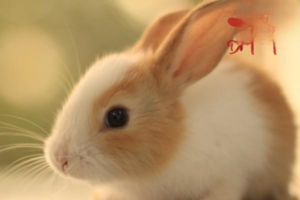
What to Do When a Rabbit Sheds Excessively
Heavy shedding has several causes. Seasonal molts (March–April, September–October) are normal — just groom daily. Diet lacking fiber or vitamins A/B causes shedding and fur-eating, fixed by balancing the feed. Fungal or parasitic infection brings dandruff and ring bald spots and needs a vet; bacterial dermatitis (Necrobacillus, Staphylococcus, Pseudomonas) needs the right antibiotic. Identify the cause before medicating.

What Happens If a Golden Coin Turtle Never Gets Sun?
Sunning gives a golden coin turtle vitamin D for calcium (preventing soft shell), kills parasites and bacteria via UV, deepens shell color, and speeds metabolism and appetite. Sun juveniles 10–20 minutes and adults 30–60 minutes daily, in morning or evening — never at midday on concrete, and not during hibernation.
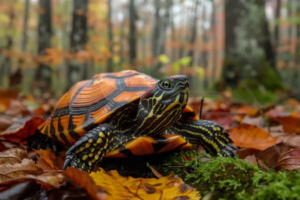
Common Illnesses of Red-Eared Sliders
Red-eared sliders face several common illnesses: white-eye disease (a white film from poor water), gastroenteritis (odd red-green stools), pneumonia (wheezing, head held high), skin rot, calcium deficiency (soft shell), shell rot, and colds. Most trace to water quality and temperature swings, and many respond to antibiotic soaks or ointments plus warmth and sunlight.

Rabbit Growth, Development and Molting Traits
Rabbits grow fast and convert feed efficiently early in life, especially as kits. A kit is born about 50 g, doubles by one week and reaches 40% of adult weight by eight weeks, with feed conversion best (2:1) at three weeks. They molt twice by age (around 30–100 and 130–190 days) and seasonally each spring and autumn, when extra nutrition helps.