Search Results
40 results for “why cats cover face”

Why Cats Bury Their Head When Sleeping
The head-buried sleep pose is the most common—not repentance or heartbreak, just light. Cats like to doze near their humans, who need light awake; so the cat tucks its face in to sleep. It won't suffocate (you survive a covered head too, though mild oxygen drop can cause bad dreams). Other ideas—that the nose is a thermostat needing paw-warming, or that it's for security—lack evidence. Given a cat's glowing eyes, the simplest reason is the room is too bright.

Why Does My Cat Always Lie Down? Understanding Feline Arthritis
If your cat spends most of its time lying down, walks with a limp, or refuses to be touched on the hind legs, it may be suffering from arthritis—a condition that affects up to 90% of cats as they age. Arthritis is the inflammation and degeneration of joint cartilage, most often secondary (degenerative) arthritis, which worsens as cats grow older. Cats are masters at hiding pain, so signs like reluctance to jump, reduced grooming, increased sleeping, and irritability can easily go unnoticed. Causes include aging, genetics, obesity, injury, and acromegaly. Treatment combines veterinarian-supervised medication (NSAIDs such as meloxicam), weight management with omega-3 and glucosamine supplements, and environmental adjustments like steps and soft bedding. Prevention starts with a healthy diet and keeping your cat lean.

Why Cats Spend So Much Time Grooming
Grooming is second nature to cats: an adult cat spends 15% to 50% of its day licking its coat, starting as early as four weeks old. It is far more than staying clean. Grooming clears dirt and spreads natural oils, helps regulate body temperature, hides foreign scents, communicates affection, relieves stress, and even helps wounds — though vets warn against licking injuries. Heavy over-grooming that causes bald spots, or biting at the skin, can signal a skin disease or fleas, so it also works as an early warning system.
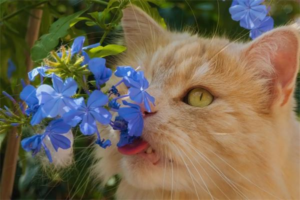
Why Is Your Cat Breathing Loudly
Loud or heavy breathing in cats can be a stuffy nose from debris, a normal quirk after waking, or illness such as rhinitis or bronchitis. Short-nosed breeds especially breathe noisily while sleeping. Check the nostrils for foreign objects first; if congestion lingers with coughing, low appetite, or rapid breathing, see a vet for bronchitis. Treatment pairs fluids, anti-inflammatories, and nebulization, and reducing dust and allergens prevents recurrence.

Why Do Cats Always Nap?
Cats seem always to doze - curled on the sill, sofa, or your lap, several times a day - but it is perfectly normal. Experts find cats are awake only 5 to 9 hours daily.

Can Cats Eat Grass? Benefits, Risks, and Growing Cat Grass
Many cats nibble grass, and it isn't necessarily a problem — grass can supply folic acid and fiber and help with hairballs. The real risks come from lawn chemicals and toxic houseplants. Here is the safe way to offer it.

What to Do When a Cat Hates Baths
Cats evolved in dry deserts and dread getting wet, but skipping baths invites parasites and skin disease. Desensitize early, use a big non-slip tub with chest-deep water, wash back-to-front, keep water off the face, and clip nails 2–3 days ahead. Don't bathe a sick, newly vaccinated, or dewormed cat.

How to Trim Your Cat’s Nails
While playing with your cat you may get scratched now and then—not on purpose, but you can trim its nails to reduce the harm to yourself. Do you know how to trim a cat's nails?

How Much Does Spaying or Neutering a Cat or Dog Cost?
Cats/dogs can be neutered at ~6 months, but prices range 199-1999; parents ask why. Oxygen Pet Doctor explains.

How to Extend Your Cat’s Lifespan
I searched a lot but found no authoritative source stating at what age is a cat elderly. Average house-cat lifespan is 15-18; compared to feral cats, a 7-year-old is already old!
- « Previous
- 1
- 2
- 3
- 4
- Next »