Search Results
40 results for “why cats cover face”

Why Is My Cat Crying Reddish-Brown Tears?
Reddish-brown tear discharge in cats can be caused by overly salty food, a blocked nasolacrimal duct, or eye inflammation. Determine the specific cause from the actual situation and treat accordingly. If the cat recently ate salty food, it may be 'internal heat' causing more discharge that oxidizes to reddish-brown—adjust to a bland diet and offer more water. If the eyes are also red and swollen, inflammation is likely; see a vet.
Why don’t cats like being covered with a blanket?
Cats self-regulate with thick fur and usually do not need covers. They are alert, dislike being confined, and feel unsafe; they may also dislike the material and prefer a soft surface.
Why Do Cats Have a Third Eyelid?
The nictitating membrane is a built-in transparent film that protects the eye from dust and bright light; many animals including birds have it too.

Why Does a Cat Breathe Loudly (Heavy Breathing)?
A cat's loud breathing can be normal a relaxed cat purrs and breathes heavier but if it comes with other signs the cat is likely ill. Causes: relaxation, flat-faced breeds, nasal objects, simple congestion, cold or URI (sneezing, runny nose), feline rhinotracheitis or virus (cough, tears, fever), or long-term rhinitis. Clear mild cases; see a vet for cough, tears, or fever.

Why Does My Cat Show the Whites of Its Eyes While Sleeping?
The 'white' a sleeping cat shows is usually its third eyelid, normal during light sleep as the eyes dart. It can also reflect a self-defense instinct, hunger, or low security. Persistent third-eyelid show when awake, eye injury, or a foreign object means a vet visit.

Why Is My Cat Unsteady on Its Feet?
A cat that stands unsteadily can be affected by age, disease, diet, or environment. Check the paw pads for injury first; if they look normal, internal causes such as inner-ear disease, neurological issues, or arthritis are likely and need a veterinary exam. Keeping a cat at a healthy weight, on even flooring, and gently exercised supports better balance.
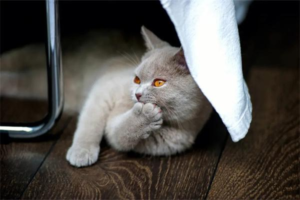
Do Cats Cry?
Cats do produce tears, but tearing is rarely from sadness—most often it's flat-face anatomy, eye disease, food, irritants, or smells. True emotional crying is rare. Wipe the eyes clean, rule out irritants or illness, and see a vet if tearing persists.

Choosing a Cat Dewormer: Why Combination Spot-Ons Suit Multi-Cat Homes
For mostly-indoor cats, a broad-spectrum, gentle combination spot-on is the most cost-effective and stress-free choice—and because most cats hate pills, a transdermal drop avoids force-feeding and the anxiety it causes, which is ideal for beginners and multi-cat households. Useful active types include imidacloprid-moxidectin (prevents a dozen-plus internal and external parasites and heartworm), fipronil-methoprene-eprinomectin-praziquantel (adds tapeworm and tick coverage for outdoor or raw-fed cats), and selamectin (very gentle from six weeks, pregnancy-friendly). In a multi-cat home the real work is operational: deworm all cats together, dose strictly by weight, use an Elizabethan collar and separation to stop licking, and avoid baths 48 hours around treatment. Above all, prevention beats treatment.
Why Is Your Cat Panting in the Car? Causes and What to Do
If your cat pants with its mouth open on a car ride, don’t ignore it. In most cases—around 80%—it’s fear: indoor cats suddenly confined in a small, noisy, vibrating space experience a spike in adrenaline that speeds up heart and breathing, and open-mouth breathing is how they meet the higher oxygen demand. But panting can also signal heatstroke, carsickness, or an underlying heart or respiratory condition. This article explains the main causes, how to tell them apart, and a graded response—from calming a mildly stressed cat to urgent steps if the tongue turns blue—so travel becomes less frightening for everyone.

Why Cats Develop Uremia (and How to Prevent It)
Uremia occurs when kidney damage stops a cat from clearing waste and toxins, which then build up and harm the body. Causes include age-related decline, unbalanced nutrition, and low water intake, while other illnesses can also damage the kidneys. Watch for changes in urination frequency and volume, dark or cloudy urine, and appetite loss, weight drop, vomiting, or dehydration. Prevention centers on high-quality food, plenty of fresh water, a clean environment, and regular checkups and vaccinations; treatment involves medication, fluid therapy, and nutritional support.
- « Previous
- 1
- 2
- 3
- 4
- Next »