Search Results
26 results for “white fuzz”

Why Does a Goldfish Get White Fuzz on Its Body?
White fuzz is usually fungus (long fuzz = water mold/saprolegnia) from an untreated wound, or short fuzz from heavy skin parasites. For fungus: change water, raise temp 1-2C, and salt or malachite green baths, even surgical debridement. For parasites: salt or potassium permanganate baths - control dose carefully (15-30 min).
Why do koi grow white fuzz?
White fuzz is likely saprolegniasis, a bacterial disease in crowded or dirty water, worst on injured fish with loss of appetite and lethargy. Treat with low-salt baths and oxytetracycline.
Why does a rabbit’s poop grow white fuzz after sitting long?
Two cases: 1) in damp, stuffy conditions the feces mold, growing white/gray mold with odor; mold harms airways and produces toxins damaging immunity/organs. 2) undigested plant seeds in the feces may sprout white roots in suitable conditions. Clean the cage, use dry bedding, keep dry/ventilated, remove feces daily; see a vet if breathing/appetite issues.
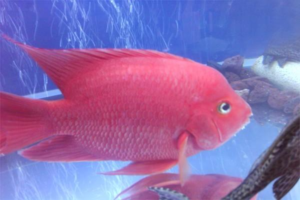
What to Do When Parrot Fish Grow White Fuzz
White fuzz on parrot fish comes from poor or unstable water, temperature swings, or saprolegniasis (fungus). Fix water quality, raise temperature to 30 C then settle at 25-28 C, or salt-bath / potassium permanganate the isolated fish for about a week.
Why does my goldfish have white fuzzy growth on its head?
White fuzz on a goldfish's head is very likely Ich, or white spot disease. Affected fish also show poor spirits, reduced appetite, and low activity. Ich is mainly caused by big temperature swings; adding a suitable amount of malachite green daily usually improves the fish within a week. Keep the water temperature stable.
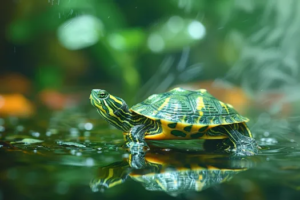
White Spots and White Fuzzy Growth on a Turtle
Finding white dots or fuzzy white material on a turtle worries many owners, but the cause is usually one of two things: a fungal infection called water mold, or simply normal shedding. Water mold comes from dirty water and cannot be wiped off, and it needs prompt treatment; shedding, by contrast, is a healthy sign of growth and should never be peeled away. Telling the two apart—and keeping the water clean—is the key to a healthy turtle. This guide explains both and how to manage them.

White Fuzz on Your Turtle’s Neck: Shedding or Water Mold?
White fuzz on a turtle can be normal shedding or a sign of water mold disease. If the fuzz has a clear texture with no soft rot, it is likely shedding—just give more sunlight. If fuzz appears on multiple areas and looks rotting, it is probably water mold and the turtle should be isolated and treated. The root cause is usually overcrowding and polluted water; prevent it with good nutrition, wound care, and regular water changes.
What medicine for white fuzz on koi?
It's saprolegniasis (water mold). Isolate the fish, treat wounds with iodine, and dip in potassium permanganate ~5 minutes.
What breeds of dogs have all-white coats?
Dogs with all-white coats include the West Highland White Terrier, Bichon Frise, Pomeranian, Samoyed, Great Pyrenees, Japanese Spitz, and Pekingese. The Samoyed has dense, fluffy white fur; the Pomeranian is very attractive; the Bichon has curly white hair like a toy bear. However, some of these breeds also come in other colors.

White-lipped Pit Viper
The white-lipped pit viper (Trimeresurus albolabris) is a slender, arboreal venomous pit viper of southern China and Southeast Asia, recognised by the white line running from its body to its lower lip.