Search Results
26 results for “white fuzz”

Kerry Blue Terrier
The Kerry Blue Terrier is a versatile Irish terrier with a soft blue-grey coat, known as a loyal and gentle but stubborn companion that needs firm training and careful grooming.

Russian Blue
The Russian Blue, also called Russian Blue, Archangel Blue, or Maltese cat, with English name Russian Blue, is known as the 'aristocrat of shorthairs' and 'elf of winter.' Originating in the 19th century, once only in Russia, now worldwide. Few in number globally; buying one costs at least tens of thousands. Cheap ones are hybrids.
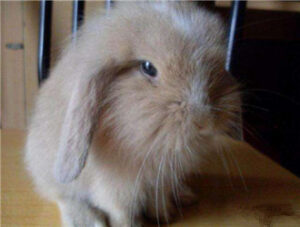
Mini Lop Rabbit
The Mini Lop, also called the Dwarf Lop, is a certified pet rabbit breed with adorably small, drooping ears. Developed from French Lop and Chinchilla crossings, it is larger than the Holland Lop and American Fuzzy Lop, making a charming and gentle companion.
How can you tell dog food has gone bad?
Spoiled kibble feels soft and crumbles, smells sour or moldy, and shows green or white mold spots. Never feed moldy food, as it causes vomiting and gastroenteritis.
Can koi sores heal on their own?
Koi body sores cannot heal on their own and need prompt medication. Most are caused by saprolegniasis, a fungal skin infection that shows fuzzy white, gray, black, or green material. Soak the sick koi in diluted potassium permanganate (10 ml per liter, 30 minutes), rinse in 1.5 percent salt water, dab the sore with mercurochrome, then give an oxytetracycline bath.

How to Treat and Prevent Water Mold Disease in Turtles
Water mold disease (saprolegniasis), caused by Saprolegnia and Achlya fungi, is a common illness in aquatic turtles that usually strikes during overwintering and spring. Infected turtles may lose appetite, grow weak, and develop gray-white patches and fuzzy white growths on the skin; severe cases lead to emaciation, swelling, skin ulcers, and even death from exhaustion. Because the fungus is widespread in water and hard to eliminate, prevention focuses on keeping the turtle injury-free, maintaining water temperature around 28–30°C, and providing regular sunlight. If infection occurs, dry-docking the turtle with short daily soaking, applying povidone-iodine for disinfection, and using a pet-safe antibacterial ointment on affected areas can aid recovery.
- « Previous
- 1
- 2
- 3