Search Results
142 results for “white cat stool”

What Are the Symptoms of Turtle Enteritis?
Turtle enteritis has early, middle, and late stages; early signs are mild and easy to treat, but delaying makes the disease and its treatment far harder. Early clues are abnormal, off-color stools while the turtle stays active; mid-stage brings sunken eyes, refusal to eat or drink, and floating; late-stage shows a head-down resting posture, slow response, and slack cloaca—usually beyond saving.

Causes and Pathological Analysis of Turtle Enteritis
Turtle enteritis is usually triggered by a sharp drop in enclosure temperature or spoiled food, and good husbandry and careful feeding prevent most cases. This article covers the causes, the staged symptoms (from mild loose stools to severe floating, refusal to eat, and limb weakness), and the pathology—where lost electrolytes weaken the gut's absorption and must be replenished—plus treatment centered on anti-inflammatory, anti-diarrheal, and mucosal care.

American Shorthair
Among cat breeds, the American Shorthair is hugely popular with cat lovers. Its honest, good-natured looks are enough to make us want to bring one home. Below we discuss the American Shorthair breed, along with its price and how to buy one.
My 1-2 month old kitten just flew in, won’t eat or drink, has diarrhea and retching, vet mentioned low protein—is this feline panleukopenia?
Feline panleukopenia (feline distemper) is highly contagious and deadly, and a newly arrived kitten with low white cells and matching signs is likely infected, but a positive antigen test confirms it. Typical signs include fever, vomiting, and bloody diarrhea; seek systemic treatment fast.
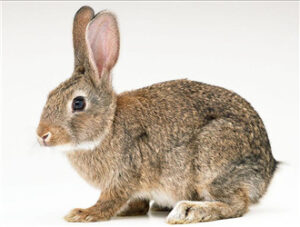
Belgian Rabbit
The Belgian Rabbit, also known as the Giant Gray Rabbit or Flemish Giant, is a famous meat rabbit breed originally from Belgium. With its large build, yellowish-brown coat, and high meat yield, it is mostly raised on farms in rural areas rather than kept as a pet.
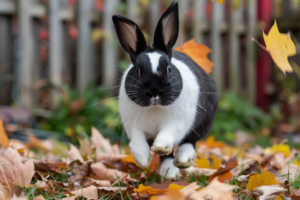
When Does a Rabbit Enter Old Age?
Rabbits live 5–12 years; most reach the senior stage after age 5 (small breeds like the Netherland Dwarf as early as 4). Seniors show weaker digestion, more sleep, slower movement, frequent soft stools, and white, matted fur. Care means a soft floor, senior food with unlimited hay, plenty of water, and companionship.

Are Chinchillas Easy to Keep, and How Much Do They Cost?
Chinchillas are fairly easy: gentle, quiet, clean, and light eaters, living 15+ years. Prices run 300-500 yuan for standard grey up to 3000-5000 for rare colors. Downsides: timid, heat-intolerant (die above 30 C), limited bonding, and fragile digestion.
How is watery droppings in pigeons treated?
Watery droppings may indicate gut damage; start with probiotics and isolate the bird. White spots suggest trichomoniasis, yellow-green stool suggests salmonella, and severe watery diarrhea may be Newcastle disease.
What are the signs of recovery from feline panleukopenia?
Recovery signs include better appetite, fewer vomit/diarrhea episodes, less foul stool without blood, improved hydration, more interaction, and rising white cells. They appear around day 5-6; follow vet care, and cure is confirmed when blood tests normalize (SAA under 5).
What are the symptoms of feline panleukopenia?
Feline panleukopenia causes a rapid drop in white blood cells, hence its name feline panleukopenia. It brings vomiting, diarrhea, appetite loss, lethargy, bloody stool, and eye discharge, with biphasic fever: temperature over 40°C for 1–2 days, back to normal, then rising again in 2–3 days. It is highly fatal; vaccinate kittens over two months and seek prompt treatment if infected.