Search Results
142 results for “white cat stool”
Is White Stool in Cats Normal?
Healthy cat stool is brown, so white stool usually signals a problem such as a blocked or stagnant bile duct, a tapeworm infection, or simply a high-calcium food like raw meaty bones. If the diet has not changed but white stool appears with lethargy or vomiting, see a vet promptly to rule out a bile-duct blockage.
My one-year-old blue-and-white cat has a pale nose since yesterday, eats only wet food and treats, has soft formed stool, and is low-energy—what is wrong?
Based on the signs—anemia, poor appetite, pickiness, lethargy, soft stool—the pale nose suggests anemia, but many diseases cause it; it may be a chronic condition like chronic enteritis, hepatic lipidosis, FIP, or parasites. Get a thorough vet check.
My cat’s stool has no worms, but white rice-like tapeworm segments often stick to its rear; I dewormed inside and out once in the morning, worms stopped, but by evening they appeared again
Tapeworms are internal parasites needing cat-specific oral dewormers (fenbendazole, etc.); they shed white rice-like egg segments and are stubborn. After deworming, if segments reappear, re-dose, then deworm again in two weeks to clear them. Deworm monthly and avoid raw water, dirty water, and raw meat.
My cat vomited white mucus this morning, ate a little food and probiotics, and the stool is unclear but was normal before vomiting
White mucus vomiting has many causes: poor digestion, food change, hunger, hairballs, foreign objects, bacterial or viral gastroenteritis. If alert and only vomiting once or twice, fast for a day then feed bland liquid food with probiotics; see a vet if it worsens with lethargy, diarrhea, or fever.
What to Do When Your Cat Has Hepatitis
Feline hepatitis disrupts digestion, mood, and appetite, with early signs ranging from vomiting and pale stools to fever and abdominal discomfort. Recovery hinges on a quiet space that lets the liver heal, a liver-supportive diet, and antibiotics chosen for low toxicity to the liver.

Treating E. coli Infection in Dogs and Cats
Colibacillosis is an acute intestinal infection of young dogs and cats caused by pathogenic E. coli, marked by fever, vomiting, and foul-smelling diarrhea that can turn fatal. It mimics many other diseases (distemper, parvovirus, salmonellosis), so a lab test is needed for diagnosis; treatment is antibiotics chosen by sensitivity testing plus strict hygiene and early colostrum.
Understanding Cat Stool: Soft Stools and Diarrhea
Most owners don't know a cat's stool best reflects its health. How does stool show health?

What If Your Cat Still Has Soft Stool After Deworming?
Soft stool has many causes: irritating or overeaten food (fragile kitten guts cause poor digestion, soft stool, even diarrhea), parasite infection, early feline distemper, etc. Owners can first give some probiotics to settle the gut.
Tips for a Beautiful Coat for Cats and Dogs
Assuming our furry friends are healthy, coat beauty seems to be the topic owners care about most, especially long-haired cat and dog owners.
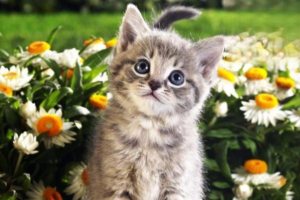
Feline Distemper in Cats: Symptoms, Causes, Diagnosis and Treatment
Feline distemper, also known as feline panleukopenia, is one of the most common acute infectious diseases in cats clinically. It is a highly contagious, febrile disease caused by parvovirus infection. Kittens have extremely high infection and mortality rates, and affected cats typically show sudden onset, markedly reduced white blood cells, high fever, anorexia, depression, vomiting, hemorrhagic enteritis, and severe dehydration.