Search Results
3548 results for “when to take cat to vet”

What to Check When Buying a Purebred Poodle Puppy
Purebred and mixed poodles can look very similar as puppies, so choosing a healthy, well-bred young dog takes a careful eye. Beyond coat and conformation, the real signals of a good puppy are its skin, eyes, body, family history, and vaccination record. Here is a practical checklist before you bring one home.
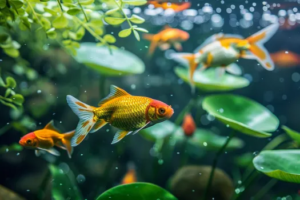
What to Do When Your Goldfish Is Swimming Upside Down
A goldfish floating or swimming upside down is alarming but common, usually caused by poor water quality, overfeeding, low oxygen, cold or fluctuating temperatures, or swim bladder disease. Act quickly to add oxygen and prevent long-term damage from suffocation. Season, temperature, water quality, dissolved oxygen, pH, feeding, and water-change frequency all affect a goldfish's health, so careful husbandry matters. You can relieve mild cases by improving water quality, boosting aeration, and raising the temperature—but if the problem is severe or persists, consult a veterinarian or an aquatic specialist for proper treatment.

What Is Acetaminophen (Tylenol) and Why It Is Dangerous for Dogs
Acetaminophen, sold under brand names such as Tylenol, is a common over-the-counter pain reliever for people. Many dog owners wonder whether it is safe to share a human medicine cabinet with their pet. The short answer is that acetaminophen is not an NSAID, can lower fever and dull pain, but must never be given without veterinary guidance, and is flatly toxic to cats. Understanding how it works and where the real dangers lie helps you avoid a costly and potentially fatal mistake.

Bad Breath, Tartar, and Lost Appetite: Feline Periodontal Disease
By age three, roughly 70 percent of cats have periodontal disease, and the first sign owners notice is bad breath. Left alone, bacteria-laden tartar inflames gums, weakens immunity, and can force extraction. This guide covers what periodontal disease is, its signs, vet checks, and how to build a brushing routine that protects your cat's teeth.

How to Prevent Dog Asthma Attacks
Dog asthma cannot be cured, only controlled through careful care, which usually keeps attacks at bay. To lower the chance of an attack, keep the environment clean and disinfected, groom the dog regularly, ventilate the home and avoid strong smells, and prevent intense exercise or over-excitement. If an attack happens, consult a veterinarian before giving any medication; never dose blindly. With good management, asthma can be controlled effectively.

Diagnosing and Treating Feline Idiopathic Cystitis (FIC)
Feline idiopathic cystitis, or FIC, is a common lower-urinary-tract disease in cats whose exact cause is still unknown, yet it is the single most frequent diagnosis in young cats, affecting roughly 50 to 60 percent of cases. It is linked to a defective bladder lining, nerve-driven inflammation, and stress. Because there is no single definitive test, veterinarians diagnose it by exclusion, using the history, urinalysis, blood chemistry, and ultrasound. Most episodes ease on their own within five to seven days, but treatment focuses on pain relief, protecting the bladder lining, litter-box management, more water, prescription food, and reducing stress.

How to Help a Rabbit Adjust to a New Home
Rabbits are sensitive, so moving to a new home can make them tense and unsettled. Before the move, prepare a warm, safe enclosure and place the rabbit's own toys, blanket, bedding, and water bowl there so it recognizes familiar scents. Once home, let the rabbit settle in with minimal noise and disturbance, then gradually introduce new people, sounds, and smells, starting with family members and widening the circle. Keep feeding and routines consistent, since stable daily life builds a sense of safety and trust. Patience, not speed, is what helps a rabbit feel at home.

Is Urination a Good Sign When a Dog Has Parvovirus?
A dog with parvovirus passing urine is not, by itself, proof of recovery; the real sign is whether the stool becomes formed. A lack of urine often means dehydration from prolonged vomiting and diarrhea. When the dog starts passing formed stools and its energy and appetite return, it is on the mend. Parvo is a fierce, contagious disease, especially in unvaccinated puppies, so early veterinary care is vital.

Your Dog’s Urinary Tract Troubles
Lifting a leg to mark is normal, but uncontrolled dribbling or frequent tiny urinations may mean urinary stones or infection. Watch for pain, abnormal or discolored urine, incontinence, and odor. Care includes vet urine tests, more water, more walks, diet changes for stones, and never self-medicating.

The Dangers of a Dog Holding Its Urine
Many owners know holding urine is harmful but aren't sure what counts as 'holding it.' Veterinary medicine offers two views: one links urination frequency to breed, sex, size, and health; the other says it depends entirely on the individual—diet, activity, water, and age. Either way, puppies urinate more than adults. Cesar Millan notes a healthy dog makes 10–20 ml of urine per kg of body weight daily and an adult needs to urinate at least 3–5 times outdoors daily; puppies need more. Trained dogs learn to hold, but don't assume that's fine—frequent holders are more prone to UTIs and urinary disease. Long holding lets stored urine contact the tract, causing infection and even stones; one study links a urinary carcinogen contacting tract cells for long periods to higher risk of some urinary cancers. No proven upper limit, but experts advise not exceeding 8 hours. Resulting diseases include UTIs (common in females), bladder stones (can block the urethra—emergency), aggressive bladder cancer, kidney failure, incontinence (spayed females), and prostate disease (males; blood in urine).