Search Results
3548 results for “when to take cat to vet”

Why Is My Dog in Pain When Urinating?
When a dog shows pain while urinating, the cause is usually a problem in the urinary tract, such as a urinary infection, bladder stones or crystals, or a blockage. Along with painful urination, you may notice frequent or urgent attempts to urinate, straining, reduced output, blood in the urine, cloudy or pus-like urine, or a complete inability to pass urine. Because these conditions can quickly become serious, any sign of painful urination means your dog should be seen by a veterinarian promptly. Diagnosis may involve urinalysis, X-rays, ultrasound, or other tests, and treatment is chosen according to severity, ranging from relieving a blockage and catheterization to medication or surgery.
Does Your Dog Really Need Monthly Deworming? (Avoid One-Size-Fits-All)
Deworming frequency should follow the dog's age, health, and lifestyle, not a rigid monthly rule—dewormers are broken down by the liver and kidneys, and overuse burdens the body. Puppies start at 45 days and go monthly until 6 months; after that, internal deworming drops to every 3 months while external stays monthly. The schedule is flexible: a mostly-indoor dog in the cold season, when fleas and ticks breed less, can be treated less often, and a sick, pregnant, or senior dog may need a pause or lower frequency. Match the plan to real risk.

Import or Domestic Dog Dewormer? What Actually Matters
When choosing a dog dewormer, a high price tag doesn't guarantee the right fit. The real differentiators are the purity of the active ingredient, the safety of the solvent, and transdermal absorption technology—not the country of origin. Look at the approval number, concentration, and labeled indications, and pick a product your dog's body tolerates and you can use consistently.

How to Treat a Neck Sprain in Dogs
If your dog unfortunately suffers a neck sprain, get it to a veterinarian or emergency pet clinic right away. The vet will choose a treatment based on how severe the injury is, commonly using medication, physical therapy, or surgery. After treatment, the dog usually needs a rest period at home to recover fully, and you should follow the vet's advice for care. Neck sprains can happen from jumps, falls, sudden turns, or pulling too hard on a leash and tight collar. This article explains why sprains occur, the immediate steps to take, and the daily habits that help prevent them.

What to Do When Your Dog Has Intestinal Scratches
Intestinal scratches in dogs are most often caused by swallowing sharp foreign objects such as glass shards, fish bones, or bone fragments. These items can lacerate the intestinal wall and lead to bleeding and infection. If you suspect your dog has an injured intestine, stay calm and take it to a veterinary clinic for examination and treatment as soon as possible. Mild scratches without a retained object may only require anti-inflammatory medication to prevent infection, while cases involving a foreign body need the object removed before further treatment. This article explains the common causes, warning signs, treatment options, and everyday prevention measures so you can act quickly and protect your dog's digestive health.

What to Do When Your Guinea Pig Has Digestive Issues
Guinea pigs have delicate digestive systems, so diet mistakes easily lead to indigestion marked by reduced appetite, weight loss, diarrhea or constipation, bloating, and sometimes vomiting. When symptoms appear, the first step is to adjust the diet: feed a balanced mix, avoid overfeeding hard-to-digest foods like excessive vegetables and fruit, and keep everything fresh. Daily exercise for one to two hours supports gut movement, while a stable, low-stress home environment protects digestion. Adding pet probiotics or prebiotics helps rebalance the gut flora and restore normal function. If symptoms persist, a veterinary visit is essential to rule out gastritis, parasites, or infection. With attentive diet and care, most guinea pigs recover comfortably.

How Does Tracheal Stenosis Affect a Dog?
Tracheal stenosis is a common airway problem, especially in small breeds. The narrowed windpipe blocks airflow, causing labored breathing and exercise limits, and can lead to complications such as voice loss and respiratory infection, plus poor appetite, swallowing trouble, and weight loss. Mild cases are managed with airway-relaxing medication; severe ones need reconstructive surgery. Keep the air calm and avoid strenuous activity, and learn canine CPR for emergencies.

What to Do When Your Hamster Has Eye Inflammation
Hamster eye inflammation is usually conjunctivitis—redness, itching, and tearing, with sticky discharge in the corner of the eye and, in severe cases, poor appetite and low energy. It is treated with antibiotic eye drops containing lysozyme, oxytetracycline, or tylosin, used 2–5 times daily for 5–7 days after wiping away discharge with saline. Keep the cage clean and draft-free, clean the eyes daily, boost nutrition, and fit a cardboard e-collar if your hamster keeps scratching. If there's no improvement after a few days, see a vet.
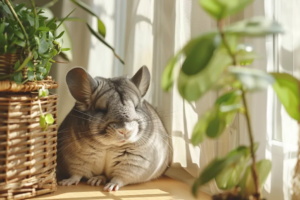
How to Handle a Chinchilla in Frequent Heat
Chinchillas breed readily, and frequent heat can make both owners and pets uncomfortable. Adult males are almost always ready to mate, while females come into heat about once a month, becoming noisy and restless. If you plan to breed, provide a quiet, well-prepared environment and proper nutrition; if not, separate cage-mates, offer chew toys and interaction to burn energy, and consider neutering. Because repeated heat shortens a chinchilla's lifespan and raises stress, neutering is the most fundamental, health-protecting solution for non-breeding pets.
What Does Ringworm Look Like Under a Wood’s Lamp?
When a cat loses fur, flakes, or develops bumps, many owners grab a flashlight to check for ringworm—but a normal torch shows nothing. Only a Wood's lamp makes the fungus fluoresce, and even then you can be fooled by false positives. Learn what true apple-green glow looks like, the classic symptoms, and why a negative lamp never rules ringworm out.