Search Results
3548 results for “when to take cat to vet”

Symptoms and Treatment of One-Eye Cold in Parrots
One-eye cold is a common contagious eye condition in parrots, marked by swollen conjunctiva, watery discharge, lethargy, reduced appetite, and weakness, with respiratory signs in severe cases. If you notice these symptoms, take them seriously and treat promptly. Care begins with isolating the sick bird and disinfecting the cage, then gently cleaning the eye and applying bird-specific drops such as bird-specific eye drops or human erythromycin ointment—treating both eyes even if only one is infected. Serious cases need antibiotics under a vet's guidance. Daily hygiene, clean food and water, and regular check-ups are the best prevention.

Dog Panting After a Short Walk? Watch for Heart Trouble
Panting after a brief walk is not always harmless—it can be a dog's heart crying for help. Heat, obesity, and flat-faced breeds pant normally and recover within minutes, but sudden breathlessness at rest, coughing at night, bluish gums, or constant fatigue warrant prompt cardiac screening. Early diagnosis and steady daily care can dramatically slow heart disease.

Symptoms and Treatment of Tracheal Stenosis in Dogs
Tracheal stenosis is a common respiratory condition in dogs in which the windpipe narrows and makes breathing difficult, sometimes with a wheezing noise and, in severe cases, suffocation. It does not resolve on its own. Diagnosis relies on a physical exam, listening to the chest, X-rays, and tracheoscopy. Mild cases are managed with medication, while severe ones may need surgery such as a stent or tracheoplasty. Nutritional support, breathing therapy, and a calm, low-dust environment all aid recovery.
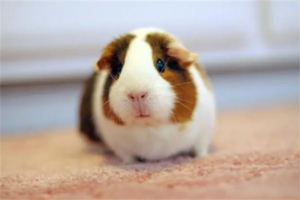
What to Do If Your Guinea Pig Won’t Eat?
A guinea pig that loses its appetite can signal illness—such as a cold, intestinal parasites, or dental problems—or simpler issues like a monotonous diet, spoiled food, a move, stress, or poor digestion. Because these animals are sensitive, the key is to find the cause and act. Offer varied, nutritious food (vegetables, fruit, pellets), encourage gentle daily exercise like walks or play to aid digestion, and watch its body closely so any health problem gets veterinary care quickly. With the right diet, a calm environment, and attention to its mood, most guinea pigs regain their appetite.

CoQ10 for Dogs: Why It Matters for Your Pet’s Heart
As dogs age, heart function naturally declines, and heart disease is especially common in small breeds. Coenzyme Q10 (CoQ10) is a nutrient that helps power heart-muscle cells and protects them from oxidative damage, which is why it is widely used to support cardiac health in senior pets. Yet the supplement market is uneven—many products overstate or never verify their CoQ10 content. This guide explains what CoQ10 does for your dog's heart, how to choose a supplement with genuinely usable CoQ10, and what the current evidence says, so you can make a confident, informed choice.

What Are Dogs Most Likely to Be Allergic To?
Allergies are common in dogs, and the usual triggers fall into three groups: food, environmental factors, and parasites. Food allergies often show up as itchy skin, digestive upset, and general discomfort—some dogs react to dairy, eggs, chicken, or gluten-rich grains like wheat and corn. Environmental allergens such as pollen, dust, mold, mites, and certain pet products can cause sneezing, breathing trouble, itching, and stomach issues. Parasites like fleas and mites provoke relentless scratching, licking, and biting that can damage the skin and lead to infection. Once you identify the trigger, the response is targeted: remove the offending food, reduce allergens at home through regular cleaning, limit outdoor exposure during high-pollen seasons, and keep up a consistent deworming schedule. For severe cases, a vet may prescribe relief medication or recommend immunotherapy to build tolerance.
Everyday Habits That Seriously Harm Your Dog’s Joints
Joint disease in dogs is on the rise, and beyond obesity many overlooked daily habits do real damage. Slippery floors force dogs to grip hard and risk falls; bad exercise — long runs, sharp stops, jumping from heights — wears joints down; frequent stairs overload the knees, especially in long-backed breeds like Corgis; standing on hind legs for attention strains the spine; and overfeeding accelerates cartilage loss, particularly in large breeds with hip-dysplasia risk. Cold, damp floors stiffen joints and worsen pain. Watch for early signs — stiffness after rest, reluctance to jump, hind-leg dragging, pain when touched — and support joints with glucosamine and chondroitin.

How Long Does a Hamster Cold Last?
A hamster cold usually lasts about three to five days, but the exact time depends on the individual, how severe the illness is, and the treatment given. Mild cases can recover in one to two days, while severe ones take longer. Signs resemble human colds: sneezing, runny nose, coughing, and reduced appetite, with the hamster becoming quiet and inactive. Keep the animal warm and hydrated and see a veterinarian promptly for proper care.
Pet CoQ10 Supplements Reviewed: Picking One That Genuinely Supports Heart Health
CoQ10 is a popular supplement for pets with heart conditions, but it supports heart function rather than curing disease. It helps the heart muscle generate energy, mildly slows heart failure, and supports immunity and vitality. Yet the market is full of weak or mislabeled products—industry figures suggest most pet CoQ10 labels either understate or omit the actual content, and some use industrial-grade raw materials. When choosing a supplement, look for verified CoQ10 content (ideally backed by independent testing), natural fermentation sources, and a clean antioxidant formula, matched to your pet's age, breed risk, and symptoms. Used alongside veterinary treatment, a quality CoQ10 can be a valuable part of heart care.

What to Do When Your Golden Retriever Has Arthritis
In damp or cold weather, a Golden Retriever with arthritis may whine when joints ache, shy away if the sore spot is touched, and lick or chew at the painful joint. Arthritis is common in large breeds like Goldens, but it can be managed. Weight control, gentle movement, and the right joint support make daily life easier.