Search Results
3544 results for “when to take cat to vet”
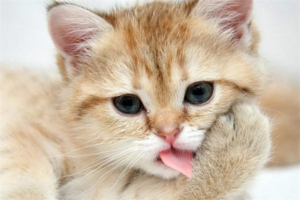
Why Does My Cat Have Uneven Eye Size?
A cat with one eye larger than the other is common and can be genetic, but if it appears later it usually points to irritation, inflammation, feline herpes, injury, or heat. The right response depends on the cause, so judge by the situation. If a foreign object is the culprit, gently clearing it often restores the eye quickly. Eyelid inversion may need surgery, so see a veterinarian. Other causes include eye disease such as conjunctivitis or keratitis, feline rhinotracheitis with discharge and sneezing, trauma, and diet-related heat that responds to lighter food and more water.

Why Does Your Cat Have Heavy Tear Stains?
Those dark streaks under a cat's eyes are more than cosmetic; they signal an underlying issue. Tear staining can come from structural problems like ingrown lashes and blocked ducts, from infections and parasites such as eye disease, ear mites, or eye worms, or simply from a salty diet. Understanding the cause is the first step to clearing the stains and keeping your cat comfortable.
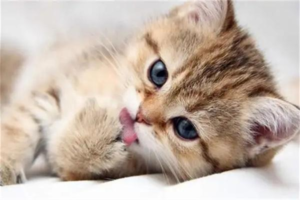
Why Is My Cat Drooling?
Cats drool for many reasons, from normal relaxation to illness or disease, so judge by the situation and the cat's mood. Drooling during sleep or when the cat is content is usually nothing to worry about. But if the saliva is foul-smelling or comes with other symptoms, watch closely, check the mouth for foreign objects, and if drooling persists with signs of discomfort, see a veterinarian. Common causes include deep relaxation, something stuck in the mouth, outside triggers like food smells, and oral disease such as periodontal problems or stomatitis, which often produce smelly drool.

Treatment for Corneal Ulcers in Cats
A vet diagnoses a cat's corneal ulcer with a full eye exam and fluorescein staining, though finding the cause can be tricky. Possible triggers include abnormal lashes, eyelid faults, dry eye, feline herpesvirus, and uveitis as a complication. A thorough exam, stain test, tear test, and cultures pin down size, depth, and infection so the right treatment can start.

Preventing Common Spring Cat Diseases
Spring raises two risks. Urinary disease peaks in damp weather, driven by low exercise and water intake; watch for straining and act fast to avoid acute kidney failure. Colds strike with big day-night temperature swings; keep cats warm, dry, and sheltered from drafts, and seek care if they refuse food with a high fever.
Cat Bad Breath, Mouth Ulcers, and Stomatitis
Stomatitis often links to dry food and low water intake. For mild cases, switch to soft food and more water, clean the mouth daily with pet rinse or spray, and watch for worsening. Severe or unexplained cases need a vet, possibly tooth extraction, plus B-complex, anti-inflammatory, spray, and rinse. Rule out virus or foreign objects.

Can Cats Catch Colds?
With big temperature swings, many owners notice their cat sneezing or with a runny nose and assume it has a cold. But a few sneezes alone are not a cold; cats may sneeze at a strong smell or a bit of dust, which is normal and occasional. If sneezing, runny nose, and watery eyes persist, it may be an upper respiratory or viral infection, and a bad cough can mean lung infection. Keep your cat warm and see a vet if you cannot manage it at home.

What to Do If Your Cat Eats Onions
Onions, scallions, garlic, and chives contain sulfides that can destroy a cat's red blood cells and cause dangerous anemia. Even onion soup or curry can poison them, and a cat needs only about 5 g per kg of body weight. Early signs are vomiting, diarrhea, and lethargy; anemia shows up days later. Rush to a vet for induced vomiting, stomach lavage, adsorbents, fluids, and forced diuresis. Never try salt-induced vomiting at home, it can be fatal.
Symptoms of Fever and Colds in Cats
A cat's normal temperature runs higher than a human's, but cats get fevers and colds too. Because they cannot tell us, the signs are easy to miss. Look for a cat that suddenly prefers cool floors and shady spots, has a hot dry nose, seems unusually sleepy with rapid breathing, and has warm ears and belly. Low urine output points to dehydration. Watch also for hypothermia: below 35°C is life-threatening, and pale extremities mean you should rush to the vet.
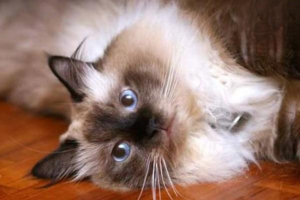
What to Do When Your Cat Is Too Aggressive
Unlike dogs, cats won't obey blindly; their independent nature means a small mistake can bring gentle retaliation. Some owners are baffled about how they upset their cat. This article explains what triggers feline aggression, from fear and threat to pain and illness, and how to train a cat out of biting and attacking.