Search Results
3544 results for “when to take cat to vet”

Why Cats Develop Uremia (and How to Prevent It)
Uremia occurs when kidney damage stops a cat from clearing waste and toxins, which then build up and harm the body. Causes include age-related decline, unbalanced nutrition, and low water intake, while other illnesses can also damage the kidneys. Watch for changes in urination frequency and volume, dark or cloudy urine, and appetite loss, weight drop, vomiting, or dehydration. Prevention centers on high-quality food, plenty of fresh water, a clean environment, and regular checkups and vaccinations; treatment involves medication, fluid therapy, and nutritional support.
How to Choose CoQ10 for Your Cat
CoQ10 is one of the most talked-about pet supplements—and one of the most debated. Critics call it a placebo, yet veterinarians routinely recommend it for cats with heart conditions. The truth sits in the middle: a quality, properly dosed product helps, a worthless one does not. Here are three rules for choosing a CoQ10 that actually works.

How to Take Care of a Corgi
Corgis—those adorable 'short legs'—need careful care to stay healthy. Feed on a 'moderate, timed, fixed-spot' routine: about three meals a day, each finished in 5–10 minutes, with constant water. Don't overfeed; corgis love food and gain weight easily, and obesity drives heart disease and strain on their leg joints. Their thick coat sheds heavily, so brush often to prevent mats, and add lecithin and fish oil for skin and coat. They are energetic and need daily walks or runs. Because their low build lets dirt reach the urethra, keep the environment clean and watch for discharge. Train with clear rewards and corrections, and start 'quiet' training early since they bark loudly.
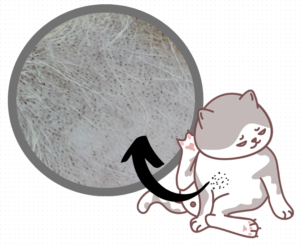
What Are the Black Dots on My Cat’s Skin?
Those little black specks on your cat's chin, tail, or belly are usually the early sign of folliculitis—clogged, infected hair follicles that look like human blackheads. It is common, mild, and very treatable with gentle local cleaning, a lighter diet, and a few daily-habit tweaks. Here is how to recognize it and clear it up.
What Causes Watery Stool in Cats?
Watery stool in cats can stem from diet, digestion, or disease, and the fix depends on the cause. Drinking too much water or eating very moist food can loosen stools, as can irregular, all-you-can-eat feeding that upsets a sensitive gut—here, pet probiotics help restore balance. Parasites and viruses are more serious: worms in the stool signal a parasite infection needing deworming, while an unvaccinated cat with watery diarrhea may have a dangerous viral infection and needs a vet fast. If diarrhea lasts or comes with other symptoms, see a clinic. Prevent it with measured feeding, regular deworming and vaccines, and a clean, disinfected home.
Is It Normal for a Cat’s Ears to Feel Hot?
A cat's normal body temperature runs a little higher than a human's, so ears that feel warm to the touch are usually normal. But ears hotter than usual can signal a problem—stress or anxiety, a respiratory infection, ear inflammation, or simply a warm room. To decide whether it's normal, look at the whole picture: lethargy, reduced activity, poor appetite, or red, smelly, discharging ears all call for a vet. A quick nose check and a thermometer (normal 38–39.5°C; above 40°C needs prompt care) will confirm a fever.

What to Keep in Mind When Using Topical Flea and Tick Treatment on Cats
Cats can pick up external parasites at any time of year, so regular preventive treatment matters. Topical products come as sprays or spot-on drops, and their coverage depends on the active ingredient, so the right choice depends on your cat's lifestyle and the parasites it faces. Apply spots along the spine, dose by weight, avoid bathing for a few days, and use an Elizabethan collar to prevent licking. Kittens can start around two months old with monthly treatment; adults need it every one to three months, more often in warm seasons or for outdoor cats. Never use dog-only products containing permethrin on cats.
Why does my cat urinate frequently but only a little each time?
This often signals urinary disease - idiopathic cystitis, urethral spasm, stones or obstruction - or stress and low water intake. See a vet to find the cause.
What medicine should I give a cat that vomits white foam?
White-foam vomit can signal spoiled food, a foreign object, hairballs or gastroenteritis. Medication is usually not advised until the cause is known, since a vomiting cat will just throw the medicine back up.

Will Hitting a Cat Stop It From Peeing on the Bed?
Many cats develop a habit of urinating on the bed, and the strong odor of cat urine makes the smell linger even after cleaning, causing real frustration for owners. Some pet parents believe a quick swat will teach a lesson, but punishment rarely works. Most cats that are hit will hold a grudge and may urinate on the bed even more, or act out with scratching, sofa damage, or nighttime attacks. In truth, bed-wetting usually signals an underlying issue—heat cycles, stress, or a urinary or reproductive disease—not defiance. The right approach is to rule out medical problems, consider spaying or neutering, check the litter box, clean accidents thoroughly, and reward correct toileting. Guidance, care, and positive reinforcement, rather than punishment, are what truly resolve the behavior.