Search Results
3544 results for “when to take cat to vet”
Why Are the Spaces Between My Cat’s Toes Ulcerating?
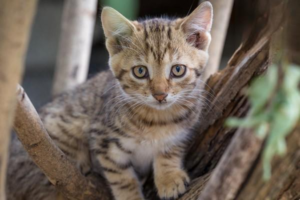
When the skin between a cat's toes starts to break down and ulcerate, the cause is usually environmental or dietary rather than mysterious. A damp living space lets bacteria flourish and lowers the skin's defenses; underlying ringworm or another skin disease can spread to the feet; small cuts from rough play can fester if left untreated; and a diet too high in salt weakens the skin from within. Identifying which of these is at play tells you whether a simple cleanup at home is enough or a veterinary visit is needed before the damage worsens.

How to Give Your Cat a Pill
Whether for deworming or illness, you'll likely need to medicate your cat, and the first time is the hardest—practice makes it easy. Three methods: by hand (best for tablets or capsules, using the cat's natural 1–2 second mouth-open window), with a pill device (safer for beginners, handles solids and liquids), and mixed into food (not recommended, since it can change efficacy and the cat may refuse). If you truly can't manage it, let the vet do it to avoid delaying treatment.

Why Isn’t My Ragdoll Cat Gaining Weight?
Ragdoll cats that eat plenty but never seem to gain weight worry many owners, yet the cause is not always disease. Genetics, low activity, or an unbalanced diet may simply mean your cat burns or absorbs fewer calories than expected. Parasites are another common culprit that blocks nutrient absorption. If diet and exercise adjustments bring no improvement, a veterinary check-up can rule out hyperthyroidism, digestive disorders, or liver problems. This article explains the likely causes and the practical steps you can take at home to help your Ragdoll reach a healthy weight.

What to Do When Your Cat Eliminates Outside the Litter Box
Cats don't pee or poop randomly without a reason, so fixing it means finding the cause. Common ones: never learned the box (left the mother too early), bullied by other cats, disliking the box (too far, too tall, smelly litter), illness (soft stool, UTI, stones, diabetes), or anxiety marking. Solutions are specific—teach the box, build the outcast's confidence, fix the box setup, treat disease, and address social frustration (neutering alone won't stop spraying).
Why Cats Hide and How to Curb It
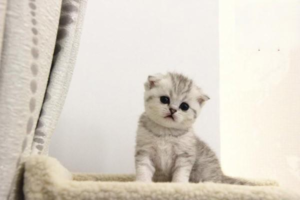
Cats are masters of hide-and-seek, and hiding is often normal—driven by fear, illness, hunting play, or the simple need for quiet rest. A new home, strangers, loud noise, social setbacks, or sickness send a cat under the bed; a stalking cat is just following instinct; a hot or cold corner is just comfort. To reduce dusty hiding, socialize the cat to the world, address pain or stress promptly, limit uncontrolled cubbyholes, and give it a cozy, enclosed bed it actually likes.

5 Things to Prepare Before Bringing a Cat Home
Bringing a cat home is a long-term commitment, so before you do, make sure you are truly ready to welcome a new life into your care. Preparation makes all the difference to your cat's smooth transition. First, learn the basics of feline care and, above all, prepare yourself mentally. Understand your cat's usual diet from the previous owner and avoid sudden food changes that can cause diarrhea or vomiting. Set up a quiet, cozy sleeping area, a generously sized litter box with the litter your cat prefers, and plenty of scratching posts and toys to prevent furniture damage. Choose a sturdy, well-ventilated carrier for trips. When your cat first arrives, give it time to adjust to unfamiliar smells—never force it out of hiding, and if it refuses food for more than three days, see a vet.

Is a ‘Bald’ Spot on Your Cat’s Head a Sign of Stress?
Owners sometimes notice thinner fur on the sides of a cat's head (between the eyes and ears), especially in short-haired cats, and worry the cat is going bald from stress. Usually it's normal: those are scent-gland areas where many cats naturally have sparser coats. But hair loss can also be pathological—most often ear mites or ringworm. Ear mites leave dark brown discharge and itch; ringworm is a fungal infection causing round bald patches with redness and flaking. Compare the signs and see a vet early, isolating the cat if you have several.

What to Do When Your Cat Becomes Lethargic?
Cats are naturally quiet companions, but a sudden loss of energy is a signal worth attention. The two main reasons are emotional and physical: a cat left alone too long can grow depressed and withdrawn, while illness—from a simple cold to oral, skin, or stomach problems—drains its spark. Because lethargy is a common early sign of disease, owners should look for other clues and act. This guide explains why cats go listless and how daily companionship plus prompt veterinary care can bring your lively cat back.

How to Prevent Heartworm in Cats
Heartworm actually takes hold in a cat's lungs, not the heart, and although cats are not the worm's natural host, they can still be infected by a mosquito carrying larvae. Cats are often overlooked: infection rates are only 5–15% of a dog's under the same conditions, symptoms are subtle (about 28% show none), and tests are less accurate than in dogs. Prevention matters — avoid mosquitoes and use a vet-prescribed monthly topical preventive. Test for infection before giving any preventive, since treating an already-infected cat can cause shock.

Can a Cat Vomit from a Cold?
Yes—a cat can vomit from a cold, usually from the chill. Like people, a cat may feel nauseated when chilled, and vomiting may briefly ease the feeling, but vomiting harms a cat's stomach, so during a cold support the gut with probiotics that also revive appetite. A cold shows as sneezing, runny nose, cough, fever, lethargy, and poor appetite; use these to confirm the cause. If it vomits without those signs, look to diet or stomach trouble instead. Treatment is simple: warm the cat, give water and nutrition; severe cases need vet-prescribed cat cold medicine. During recovery, don't overfeed, keep it from chilling again, and add a nutrient paste once it improves.