Search Results
3544 results for “when to take cat to vet”

Why Is My Cat Gagging but Not Vomiting?
A cat that gags without producing vomit is most often dealing with hairballs, but frequent gagging can also mean dietary upset, gastrointestinal disease, throat irritation, or nervous factors. Owners can help by offering hairball paste or cat grass, giving warm water to dilute stomach acid, and keeping the environment clean and free of irritants. Because gagging may signal something more serious, watch for other signs such as diarrhea, appetite loss, or lethargy, and consult a veterinarian if it lasts or worsens.
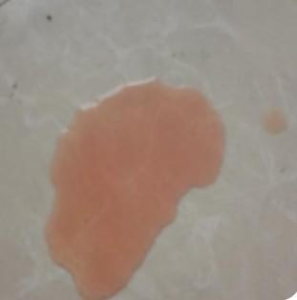
Male Cat Cystitis with Pink Urine: A Recovery Case
A 4-year-old male cat had on-and-off pink, blood-tinged urine—classic of cystitis, urethritis, or crystal irritation of the lower urinary tract, which causes frequent, scanty, painful urination. A diuretic to flush the tract plus an antibiotic for infection, with plenty of water and clean litter, brought normal urine color in about three days. Recurring pink urine, though, deserves a vet check for stones.
Why Does Your Cat Suddenly Attack You?
A sudden cat attack can come from rough play, awkward petting, pain, or jealousy. If you play with your hands, a cat may treat them as toys and bite—stop this early so it doesn't become a habit. Touching a cat's sore spots (paws, belly) or petting too hard can trigger a swipe; a sick or painful cat may lash out when touched. Jealousy also fuels aggression—don't flaunt other cats. Learn your cat's limits to keep the peace.

What to Do About White Discharge in Your Cat’s Eye
White discharge usually signals an eye infection such as conjunctivitis, keratitis, or blepharitis, so identify the cause early. Discharge at the corner often means conjunctivitis—check for sneezing, runny nose, or fever, which point to a viral infection needing a vet; a white film over the eye needs prompt clinic care. At home, clean gently with saline, apply pet-specific antibacterial drops (neomycin sulfate, chloramphenicol, levofloxacin), boost vitamins A and C, and keep the environment clean. If no improvement in a few days, see a vet.
Why Is Your Cat Vomiting White Foam?
White foam vomiting in cats has many causes—food intolerance, digestive upset, hairballs, and gastrointestinal disease among them. Take it seriously and find the trigger. Prevention includes regular brushing, avoiding spoiled or hard-to-digest food, and routine deworming. If it's food-related, pause feeding then switch foods; for digestion, offer easily digestible food; for hairballs, give hairball remedies and brush often; if a health problem is behind it, see a vet rather than dosing blindly.

How to Stop Destructive Behavior in Cats
Cats may tear things up out of boredom, excess energy, or a bid for attention, so the fix must match the cause. Provide stimulating toys and play, set clear rules and stop bad acts with a sound or spray, and give regular companionship so they don't act out from loneliness. If the damage is deliberate, scold in the moment and withhold attention if it's attention-seeking; for safety-affecting behavior, consult a vet or behaviorist. Enough love, structure, and interaction let a cat thrive.

Causes and Treatment of Abdominal Breathing in Cats
Abdominal breathing in cats is often a symptom of an underlying disease—pleural effusion, a congenital diaphragmatic hernia, or feline infectious peritonitis (FIP) among them—so it always warrants attention and a prompt trip to the vet. A healthy cat breathes 20–40 times per minute; obvious difficulty, rapid or shallow breaths mean seek care immediately. Beyond treating the root cause, prevention matters most: keep up with vaccinations, schedule regular check-ups, and maintain a clean, well-ventilated, smoke-free environment to protect your cat's respiratory health.

What to Do When Your Cat Gets Carsick
Cats can get carsick just like people, and the nausea makes travel miserable for them. The good news is that owners can take simple steps to prevent and ease motion sickness. Withhold food for two to three hours before the trip while allowing water, and watch your cat closely during the drive, stopping every one to two hours on long journeys. Short practice rides at home help cats gradually adjust to the car, and keeping the windows slightly open improves airflow and oxygen. For cats with a history of severe sickness, ask a vet about motion-sickness medication before a long trip. Bringing a favorite toy and offering calm reassurance reduces stress, and packing tissues, a disposable litter box, and a spare blanket prepares you for accidents. With preparation, even sensitive cats can travel comfortably.

What to Feed a Cat with Poor Liver Function (and What to Avoid)
When a cat's liver is struggling, feed low-burden, high-nutrition food: lean, low-copper proteins (chicken or duck breast), omega-3-rich fish (salmon, cod, sardine), and vitamin-packed vegetables (broccoli, carrot, spinach, pumpkin, blueberry) that aid cell repair. Veterinary liver-prescription diets and a milk-thistle or moringa liver supplement add targeted support. Avoid copper-heavy foods (organ meat, shellfish), high-fat and fried items, sugary or salty treats, and fatty snack packets. Feed small, frequent meals, keep water available, and transition foods gradually. Diet alone is supportive—pair it with a vet's diagnosis and treatment plan.

Why Does Your Cat Eat but Stay Thin? (Worms and More)
A cat that eats well but stays thin is often fighting intestinal parasites—roundworms, tapeworms, hookworms, giardia, or coccidia—that steal nutrients and release toxins interfering with digestion, causing slow or lost weight, anemia, and poor growth. Tell-tale signs include soft stools, rice-like segments near the anus, scooting, pale gums, and a swollen belly. But worms are not the only cause: poor absorption, hyperthyroidism or diabetes, repeated heat cycles, or a low-protein diet can also keep a cat lean. The fix is a tailored deworming plan plus gut probiotics and high-protein meals; spaying helps if heat is the driver. See a vet if weight keeps dropping.