Search Results
559 results for “wet food”

What to Do When Your Cat Is Addicted to Flavor Enhancers
Some low-quality cat foods rely on artificial flavor enhancers to make cats overeat, creating a false impression that the food is popular. While small amounts of natural enhancers are harmless and even nutritious, artificial ones such as sodium glutamate, pyrophosphates, and meat flavorings can lead to dependence and poor nutrition. If your cat is already hooked, switch gradually to a high-quality natural diet using a slow transition plan, mixing old and new food over roughly two to three weeks. Add nutritious toppers like wet food or supplement paste, and always choose reputable brands so your cat gets balanced nutrition instead of empty calories.

Why Cats Refuse to Drink from Their Water Bowl
Cats naturally drink little because their desert ancestors avoided shared water sources, but chronic low intake raises the risk of urinary and kidney disease. Encouraging hydration through fountains, wet food, and flavored water makes a real difference.

How to Feed a Cat That Refuses Kibble
A cat that eats only canned food is usually either fussy or unwell. Stop offering cans and stick to kibble to break picky habits; if refusal comes with lethargy or other signs, see a vet, since illness can make the more palatable wet food the only thing a cat will take.
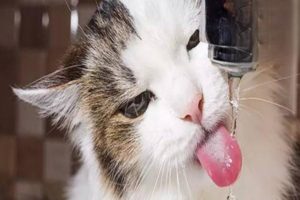
How Much Water Does a Cat Need Each Day?
A cat needs roughly 50 to 60 ml of water per kilogram of body weight every day. Wet food is about 93 percent water while dry kibble is only around 10 percent, so cats on a dry diet need you to encourage drinking. Place fresh water near the food and pick a main diet that keeps hydration in balance.
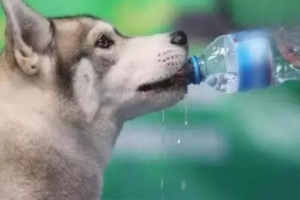
How Much Water Should a Dog Drink a Day?
A puppy needs about 80 ml of water per kg daily and an adult about 100 ml; falling short loads the kidneys and feeds stones and urinary disease. Watch for dry gums, sunken eyes, and dullness as dehydration sets in, and coax drinking with pre-meal sips, walks with water, or a splash of broth.

Why Your Dog Smells and How to Fix It
Dog odor usually comes from one of four places: a breed-prone body smell needing monthly baths, impacted anal glands that need expressing, dental disease from poor brushing, or neglected, damp ears. Tackle each at its source — and if smell comes with skin, appetite, or vomiting changes, see a vet.

Practical Feeding Tips for Your Dog
Feeding well means set meal times, quality kibble, and minimal switching. Watch the bowl to gauge portions, and use mealtime for basic training.

Can You Give a Pregnant Cat an Injection for a Cold
A pregnant cat with a cold is best treated without injections: the stress of a shot can frighten her and risk premature labor or miscarriage. Use gentle, pregnancy-safe symptomatic meds, keep her warm, and feed a balanced diet, and never give human cold medicine, which is toxic to cats.

Is a Constantly Sneezing Kitten Necessarily Sick with a Cold
A kitten that sneezes and has a runny nose may not have a simple cold, especially since most unvaccinated kittens are vulnerable to herpesvirus and other infections. Test for herpesvirus first, keep the kitten warm, and let a vet choose any drug rather than dosing blindly.

Can Cats Eat Pumpkin, and Is It Good for Them?
Yes, cats can eat pumpkin, which is packed with fiber, antioxidants, and vitamins that aid digestion, hairballs, and immunity. Because cats are strict carnivores, treat it only as an occasional topper, about one to two teaspoons mixed into meat once a week.